








The Rise of 'Work-from-Hometown'
The initial shift to remote work was a necessity, a temporary solution to a global crisis. But for many Indian professionals, it planted a seed of possibility. Why endure sky-high rents, grueling commutes, and a frantic pace of life in a metro city when
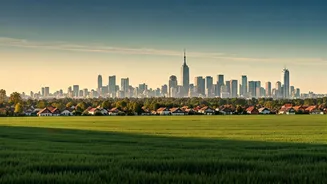
work could be done from anywhere? This question has led to the emergence of a powerful trend: 'Work-from-Hometown'. This isn't just about logging in from your apartment; it's a deliberate migration away from the traditional Tier-1 job hubs like Bengaluru, Mumbai, and Delhi, and back to the familiarity and comfort of Tier-2 and Tier-3 cities. Professionals are discovering that this move is more than just a change of scenery—it's a fundamental upgrade to their quality of life.
Economic and Emotional Drivers
The motivations behind this reverse migration are both financial and deeply personal. The most obvious benefit is the significant reduction in the cost of living. Rent, daily expenses, and transportation costs are substantially lower in smaller cities, allowing for greater savings and disposable income. But the appeal goes far beyond the balance sheet. For many, it's a chance to reconnect with family, care for aging parents, and raise children in a supportive community environment. After years of living away from home, professionals are finding immense value in being closer to their roots, enjoying home-cooked meals, and rekindling old friendships. This shift addresses the widespread burnout and isolation that have become hallmarks of modern corporate life.
How Companies Are Responding
Initially, many companies were hesitant, concerned about productivity, infrastructure, and team cohesion. However, a growing number of forward-thinking firms are embracing this trend as a strategic advantage. They recognize that offering location flexibility is a powerful tool for attracting and retaining top talent, especially in a competitive market. Companies are finding that employees working from their hometowns often report higher job satisfaction and lower attrition rates. As a result, major IT and tech companies like TCS, Infosys, and Wipro have formalized remote and hybrid work policies that support a distributed workforce. This has been bolstered by the rapid improvement in digital infrastructure and the rise of co-working spaces in Tier-2 cities like Jaipur, Kochi, and Indore, which offer a professional environment when needed.
The Ripple Effect on Smaller Cities
This movement of skilled professionals is creating a significant economic and social impact on Tier-2 and Tier-3 cities. The influx of high-earning individuals stimulates local economies, driving demand for better housing, cafes, retail, and services. It also sparks a transfer of knowledge and skills, fostering local entrepreneurial ecosystems. As these cities become more attractive talent hubs, businesses are increasingly looking to establish satellite offices or actively recruit from these areas, creating a virtuous cycle of growth and opportunity. This decentralization of talent is reshaping India's economic geography, moving it away from a model concentrated in a few megacities towards more balanced regional development.
Navigating the Challenges
While the 'work-from-hometown' trend offers numerous benefits, it's not without its challenges. Inconsistent internet connectivity and power supply can be significant hurdles in some areas, though this is rapidly improving. Professionally, there's a risk of feeling disconnected from the central team or being overlooked for promotions—the 'out of sight, out of mind' phenomenon. To mitigate this, both employees and employers must be proactive. Employees should maintain clear communication, be visible in virtual meetings, and perhaps make periodic trips to a central office. Employers, in turn, must cultivate an inclusive remote culture that ensures all team members have equal opportunities for growth and engagement, regardless of their physical location.