


What Exactly is Slow Decorating?
Forget the frantic energy of weekend makeovers and the pressure to buy everything at once. Slow decorating is a design philosophy that has gained significant traction for 2026, and for good reason. It is an intentional move away from fast-fashion interiors
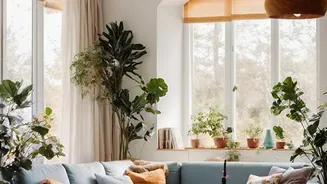
and fleeting trends. At its heart, this approach is about taking your time to create a space that is deeply personal, sustainable, and tells the story of who you are. Instead of aiming for a finished look from a catalogue, you curate your home over time, choosing pieces that have meaning, are well-crafted, and that you truly love. It's a mindful process that values the journey of creating a home as much as the destination.
From Hasty to Mindful Design
For years, the dominant narrative in home design has been about speed and perfection. This often leads to impulse buys, trend-chasing, and spaces that feel impersonal or don't truly meet our needs. Slow decorating flips this script. It encourages us to live in our spaces, understand how we use them, and identify what we genuinely need before making a purchase. This shift from a hasty, trend-driven approach to a mindful, needs-based one results in homes that are not only more authentic but also more functional. It’s about creating a sanctuary that supports your well-being, rather than just an impressive-looking space. This approach celebrates imperfection and the beauty of items that show the human hand, mixing old and new to create a layered, timeless look.
Staging as a Strategy, Not a Setback
This is where the idea of building a room in stages finds its perfect context. Many people phase renovations out of necessity, often feeling like it's a sign they can't afford to do it all at once. The slow-decorating trend reframes this completely. Phasing your project is no longer a setback; it's a core strategy of mindful design. By deciding to build your room in stages, you are giving yourself the gift of time. Time to save for a higher-quality sofa you'll keep for decades, time to find the perfect vintage rug, and time to understand how the light changes in the room before picking a paint colour. It’s a deliberate choice to be more intentional with your resources, both financial and creative.
The Practical Magic of a Phased Approach
Embracing a staged renovation offers numerous practical benefits that align perfectly with the slow-decorating ethos. First, it's far better for your budget, allowing you to spread out costs and invest in better quality pieces when you can afford them. This avoids the compromise on quality that often comes with trying to buy everything at once. Second, it drastically reduces decision fatigue. Instead of making dozens of choices under pressure, you can focus on a few key elements at a time. This leads to better, more considered decisions. Finally, it allows your room to evolve organically. You might discover you need more storage, a comfier chair, or a different lighting setup after living in the partially-finished space for a few months—insights you wouldn’t have had in a rushed project.
How to Plan Your Slow-Decorating Project
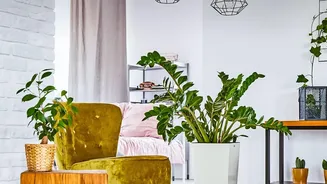
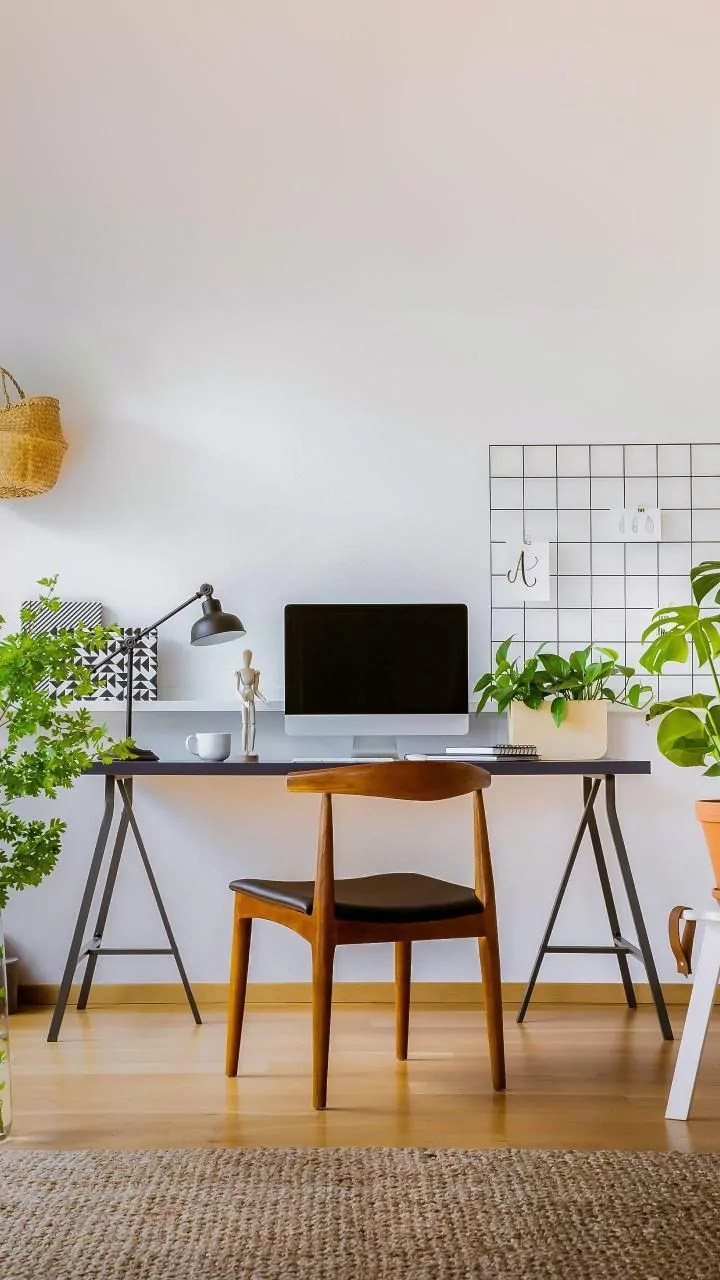
A successful phased project starts with a good plan. Begin with the foundational elements. Phase one should tackle the 'bones' of the room: any structural changes, electrical work, flooring, and painting the walls. This creates a clean canvas. Phase two can focus on the largest and most essential furniture pieces, like the bed in a bedroom or the sofa in a living room. Live with these for a while. Phase three involves layering in other key items like rugs, curtains, and secondary furniture like coffee tables or bookshelves. The final, ongoing phase is the most personal. This is where you slowly add art, decor, plants, and meaningful objects that you collect over time. This methodical layering ensures the space is functional from the early stages while leaving room for personality to emerge.