


Why Humidity Is a Plant's Best Friend
When we bring plants indoors, we take them out of their native habitats, which are often the humid tropics. Most common houseplants are tropical species that are accustomed to moisture in the air. This atmospheric moisture, or humidity, plays a vital
role in a plant's health. Plants 'breathe' and release water through tiny pores on their leaves in a process called transpiration. When the air is dry, this process accelerates, causing the plant to lose water faster than its roots can absorb it. This can lead to dehydration and stress. An ideal humidity level for most common houseplants is between 40% and 60%, but our air-conditioned or heated homes often have much lower levels.
Signs Your Plant Is Thirsty for Humidity
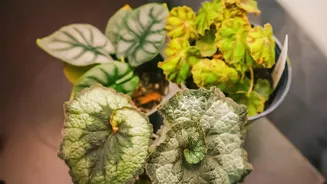
Your plants will give you clear signals when the air is too dry. The most common sign is the browning and crisping of leaf tips and edges. This happens because the parts of the leaf furthest from the stem dry out first. You might also notice leaves beginning to curl inwards or wrinkle, which is the plant's attempt to reduce its surface area and conserve water. Another key indicator is stunted or slow growth; if your plant isn't getting the moisture it needs from the air, it may struggle to produce new leaves. In very dry conditions, some flowering plants may even drop their buds before they get a chance to bloom. Dry air also creates a welcoming environment for pests like spider mites.
Simple Ways to Boost Indoor Humidity
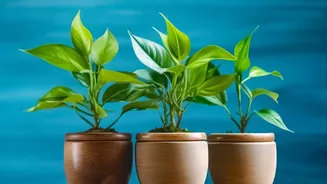
Thankfully, you don't need to turn your home into a sauna to keep your plants happy. One of the easiest methods is to group your plants together. As they transpire, they release moisture, creating a more humid microclimate for each other. Another popular and low-cost technique is the pebble tray. Simply fill a shallow tray with pebbles and water, then place your plant pot on top, ensuring the pot isn't sitting directly in the water. As the water evaporates, it will increase the humidity directly around the plant. Misting your plants can provide a temporary boost, but the effects are short-lived. For a more consistent solution in a very dry room, a small humidifier can be a game-changer.
Can There Be Too Much Humidity?
While many plants love moisture, it is possible to have too much of a good thing. Extremely high humidity, especially when combined with poor air circulation, can create an environment where fungal diseases thrive. If you notice white, fuzzy mold on the soil surface, powdery mildew on leaves, or a persistent musty smell, the humidity might be too high. This is particularly relevant in India during the monsoon season, when outdoor humidity is naturally high. To combat this, ensure there's good airflow around your plants. You can open a window for ventilation or use a small fan to circulate the air. Also, be careful not to overwater, as constantly damp soil contributes to excess localised humidity and can lead to root rot.
Matching Plants to Your Home's Environment
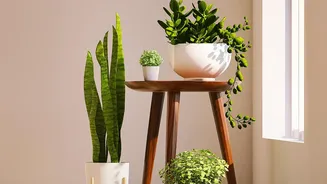
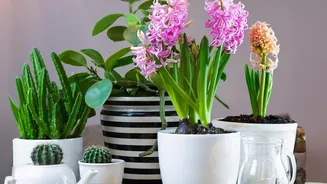
The easiest path to success is choosing plants that suit your home's natural humidity levels. If you have a bright, steamy bathroom, it's the perfect spot for humidity-loving ferns, Calatheas, and Orchids. Most common tropical houseplants like Monsteras, Philodendrons, and Pothos appreciate moderate humidity levels that can be achieved with simple methods like grouping or pebble trays. If your home is naturally on the drier side and you don't want to add another chore to your list, consider plants that are more tolerant of low humidity. Succulents and cacti are obvious choices, but other hardy options include the Snake Plant (Sansevieria), ZZ Plant, and Jade Plant, all of which prefer arid conditions.