




Part 1: Prepare Your Vehicle Before You Go
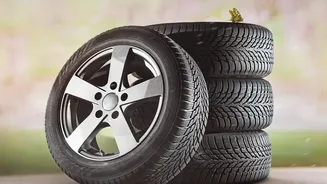
The most important part of a safe monsoon drive happens before you even turn the key. A well-prepared vehicle is your first line of defence against treacherous conditions. Start with the most critical components: your tyres. They are the only part of your car
in contact with the road. Ensure your tyres have adequate tread depth—at least 3-4mm—to effectively push water away and prevent aquaplaning. Worn or old tyres lose their grip on wet surfaces, dramatically increasing the risk of skidding on sharp bends. Also, check that your brakes are in top condition. Wet roads increase stopping distances, so responsive brakes are non-negotiable. Get the brake pads and fluid checked by a mechanic.
Check Your Wipers and Lights
In a downpour, visibility can drop to near zero in seconds. Your wipers and lights are essential tools for seeing and being seen. Wiper blades often crack and harden during India's hot summers, leaving them useless when the first rains arrive. If they leave streaks or make noise, replace them immediately. It’s a small investment for a massive safety gain. Similarly, test all your lights: headlights (low and high beam), taillights, brake lights, and indicators. Clean headlamp lenses can make a huge difference. In foggy or heavy rain conditions, having functional lights ensures other drivers can see you from a distance.
Inspect the 'Unseen' Essentials
Some of the most crucial checks are for parts you don’t see every day. A foggy windscreen is a common monsoon problem, caused by high humidity. Your car’s air-conditioning system is the best tool to clear it, so ensure your AC and defogger are working perfectly. A weak AC won't be able to demist the glass effectively. Also, have your battery checked. The increased use of wipers, lights, and the AC puts a heavy load on the battery, and a failure in a remote, rain-lashed area can be a nightmare. Finally, consider a pre-monsoon underbody anti-rust coating, as constant exposure to water and mud, especially in hilly areas, can lead to corrosion.
Part 2: Safe Driving Techniques on Hill Roads
Once your car is ready, the focus shifts to how you drive. The number one rule for wet hill roads is to slow down. Your normal driving speed is too fast for monsoon conditions. Reducing your speed gives you more time to react and significantly reduces the chances of skidding. Maintain a much larger distance than usual from the vehicle in front of you. This extra gap provides a crucial buffer for braking, which takes longer on wet surfaces. When navigating the sharp, often blind, curves of ghat roads, honk to announce your presence to oncoming traffic.
Mastering Steering and Braking
Avoid sudden, jerky movements. All inputs—steering, braking, and accelerating—should be smooth and gentle. Hard braking on a wet hairpin bend is a recipe for a skid. Instead, anticipate turns, slow down well in advance, and use engine braking by shifting to a lower gear to control your descent. This technique provides better control than relying solely on the brakes. Be extra cautious of painted road markings like zebra crossings, which become extremely slippery when wet. If you feel the car starting to hydroplane (glide uncontrollably on a layer of water), do not slam the brakes. Ease off the accelerator and keep the steering wheel straight until you feel the tyres regain traction.
Navigating Specific Monsoon Hazards
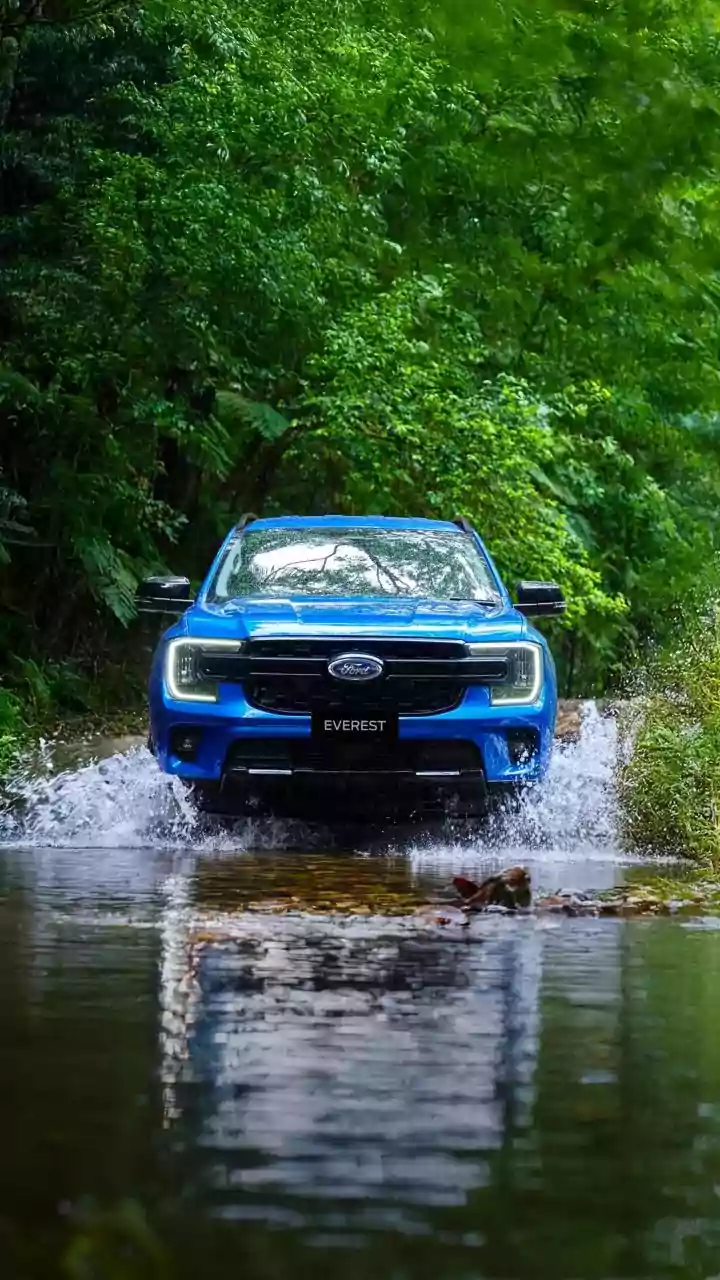
Hill roads in the monsoon present unique dangers like landslides, rockfalls, and waterlogged patches. Be extremely vigilant and watch the road ahead for debris or flowing water. Avoid driving during very heavy downpours if possible, as this is when landslides are most common. Never attempt to drive through a patch of fast-flowing water or a waterlogged area if you cannot gauge its depth. It can be much deeper than it appears and can stall your engine or even sweep your vehicle away. If you must proceed, keep the engine revs high and the speed low and steady. If your car stalls in water, do not try to restart it, as this can cause severe engine damage.
Pack an Emergency Kit
Even with perfect preparation, things can go wrong. Being stranded in the hills during a monsoon downpour is a serious situation. Always carry a well-stocked emergency kit. This should include a tow strap, jumper cables, a powerful torch with extra batteries, a first-aid kit, and an umbrella or raincoat. It's also wise to have drinking water, non-perishable snacks, and a fully charged power bank for your phone. Having the numbers for roadside assistance and local authorities saved on your phone is also a critical part of being prepared.