








Why Monsoon Means More Hair Fall
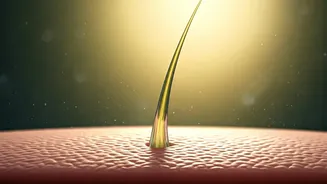
If you've noticed your hairbrush looking fuller and your shower drain clogging up more than usual, you're not imagining it. Monsoon hair fall is a very real phenomenon. The primary culprit is the dramatic increase in humidity. Your hair shaft is porous
and absorbs this excess moisture from the air, causing it to swell. This process disrupts the cuticle layer and weakens the hair's protein structure, making each strand more prone to breakage and falling out. Furthermore, the constant dampness creates an ideal breeding ground for fungal and bacterial infections on the scalp. Conditions like dandruff and seborrheic dermatitis flare up, leading to scalp inflammation, itchiness, and weakened hair follicles, which in turn accelerates shedding.
Is Losing 200 Hairs a Day Normal?
Dermatologists consider losing 50 to 100 strands of hair a day to be perfectly normal. This is part of the hair's natural growth cycle. However, during the monsoon, this number can significantly increase. The headline's claim of shedding over two hundred strands isn't an exaggeration for some; it’s a reality triggered by seasonal factors. This condition, known as seasonal telogen effluvium, is when a larger number of hair follicles prematurely enter the 'shedding' (telogen) phase. While alarming, this type of hair fall is often temporary. The key is to manage the external environmental stressors and support your hair's health from within to minimise the damage and ensure your follicles return to their normal cycle once the season changes.
Your First Line of Defence: A Healthy Scalp
Your scalp is the foundation of healthy hair, so keeping it clean and dry is non-negotiable during the monsoon. If you get caught in the rain, make sure to wash and dry your hair as soon as possible; don't let rainwater sit on your scalp. Use a gentle, sulphate-free shampoo to cleanse without stripping natural oils. If you're prone to dandruff, incorporate an anti-fungal shampoo containing ingredients like ketoconazole or zinc pyrithione into your routine once or twice a week. A common mistake is to over-oil the hair. While oiling can be nourishing, leaving oil on a damp scalp overnight can clog pores and worsen fungal issues. Instead, apply oil for just an hour or two before washing it off thoroughly.
Fortify Your Hair From the Inside Out
What you eat plays a crucial role in your hair's strength and resilience. Since hair is primarily made of protein (keratin), ensure your diet is rich in it. Include eggs, lentils, paneer, chickpeas, and fish. Iron is another critical nutrient for hair health, as iron deficiency is a major cause of hair loss. Load up on spinach, beetroot, dates, and fortified cereals. Biotin, often called the 'hair vitamin', is also essential. You can find it in nuts, seeds, and sweet potatoes. Finally, don't forget Vitamin C, which aids in collagen production and iron absorption. Amla, lemons, and guavas are excellent sources. A balanced diet provides the building blocks your body needs to grow strong, healthy hair that can better withstand seasonal stress.
Smart Styling and Handling Habits
How you handle your hair matters, especially when it’s weakened by humidity. Wet hair is extremely fragile, so avoid vigorous towel-drying. Instead, gently squeeze out excess water with a soft cotton T-shirt or a microfibre towel. Always use a wide-toothed comb to detangle, starting from the ends and working your way up to the roots. Never tie your hair up when it's damp, as this creates a humid environment perfect for fungal growth and puts physical stress on the hair shaft. Avoid tight hairstyles like high ponytails or tight braids that pull on your follicles. Let your hair breathe and dry naturally as much as possible, and minimise the use of heat-styling tools that can cause further damage.