





The Mighty Lentil (Dal)
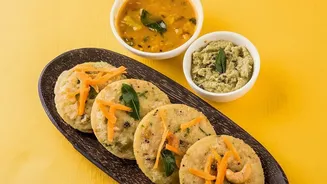
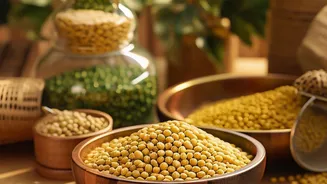
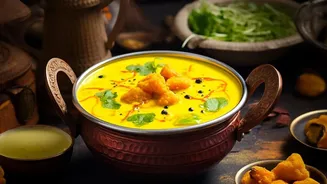
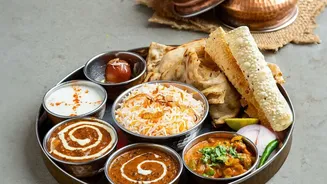
The foundation of countless Indian meals, dal is a protein powerhouse that is both incredibly affordable and versatile. Lentils like moong, masoor, and toor dal contain roughly 22-25 grams of protein per 100 grams when dry. A simple bowl of thick dal with
your lunch or dinner can significantly contribute to your daily protein needs. For a complete protein profile, which contains all essential amino acids, combine dal with rice or roti. This classic combination is not just comfort food; it's a nutritionally complete meal that has sustained families for generations. Making your dal thicker rather than watery is a simple trick to increase the protein per serving.
Soya Chunks: The Unsung Hero
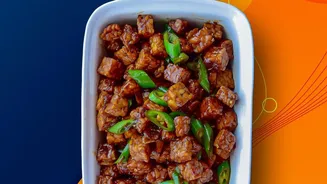
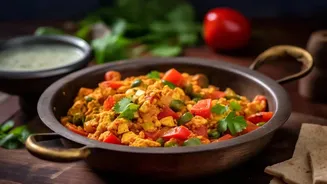
When it comes to protein-per-rupee, it's hard to beat soya chunks. These textured vegetable protein nuggets are one of the most concentrated sources of plant-based protein available, packing an impressive 52 grams of protein per 100-gram dry weight. Extremely budget-friendly, they can be used to make a hearty curry that rivals non-vegetarian options, added to pulao for a protein boost, or minced to create a nutritious bhurji. As a complete protein, soya contains all nine essential amino acids your body needs, making it an excellent and economical alternative to meat.
Chickpeas and Other Legumes (Chana & Rajma)
Chickpeas (chana) and kidney beans (rajma) are staples that offer significant protein at a low cost. A cooked cup of chickpeas or rajma can provide around 15 grams of protein. They are also high in fibre, which aids digestion and promotes a feeling of fullness. Beyond the classic chana masala or rajma-chawal, these legumes are wonderfully versatile. Roasted chana makes for a crunchy, high-protein snack, while boiled chickpeas can be added to salads or mashed into homemade hummus. Sprouting legumes before cooking can also enhance their nutritional value and digestibility.
The Everyday Egg
For non-vegetarians, the egg is nature's perfect protein package. It's affordable, widely available, and incredibly easy to prepare. A single egg provides about 6 grams of high-quality, complete protein. Starting your day with an egg bhurji, a simple omelette, or a couple of boiled eggs can give you a significant protein head start. They are one of the most cost-effective animal-based protein sources, delivering essential nutrients like Vitamin B12 alongside their protein content. An egg curry for dinner is another simple way to incorporate this nutritional giant into your family's diet.
Dairy: Paneer and Curd
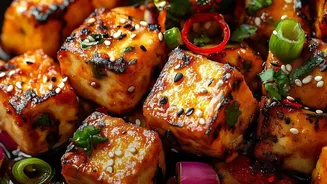
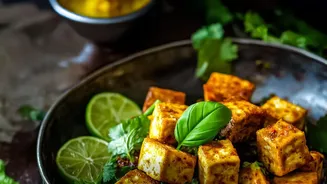
Dairy products like paneer (Indian cottage cheese) and curd (yogurt) are excellent protein sources that are integral to Indian cuisine. Paneer contains about 18 grams of protein per 100 grams, making it a satisfying addition to curries, parathas, or as a simple stir-fry. While slightly more expensive than legumes, making paneer at home can reduce the cost significantly. Meanwhile, a bowl of homemade curd can add a quick protein boost to any meal. For an even bigger punch, consider making hung curd or Greek yogurt, which concentrates the protein even further.
Peanuts and Sattu
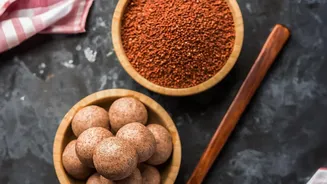
Often overlooked as a serious protein source, peanuts are both cheap and nutritious, offering around 26 grams of protein per 100 grams. A handful of roasted peanuts is a fantastic snack, and peanut butter can be added to smoothies or spread on rotis. Another budget-friendly champion is sattu, or roasted gram flour, a superfood popular in states like Bihar. It's an excellent source of plant-based protein that can be mixed into a refreshing drink, kneaded into roti dough, or used to make littis. Just two tablespoons of sattu can provide around 8 grams of protein.