





From Trash to Treasure
Every time you chop an onion, peel a carrot, or trim celery, you create culinary gold. Making stock from these scraps is a cornerstone of zero-waste cooking. It not only saves you money on store-bought versions, which are often high in sodium and preservatives,
but it also reduces your household food waste. The process is simple: instead of heading to the compost or bin, your vegetable trimmings go into a dedicated bag in the freezer. Once the bag is full, you have everything you need to make a delicious, nutrient-packed stock that will elevate your soups, sauces, risottos, and more. It's a small habit that delivers a big impact on both your wallet and the planet.
The 'Yes' List: What to Save
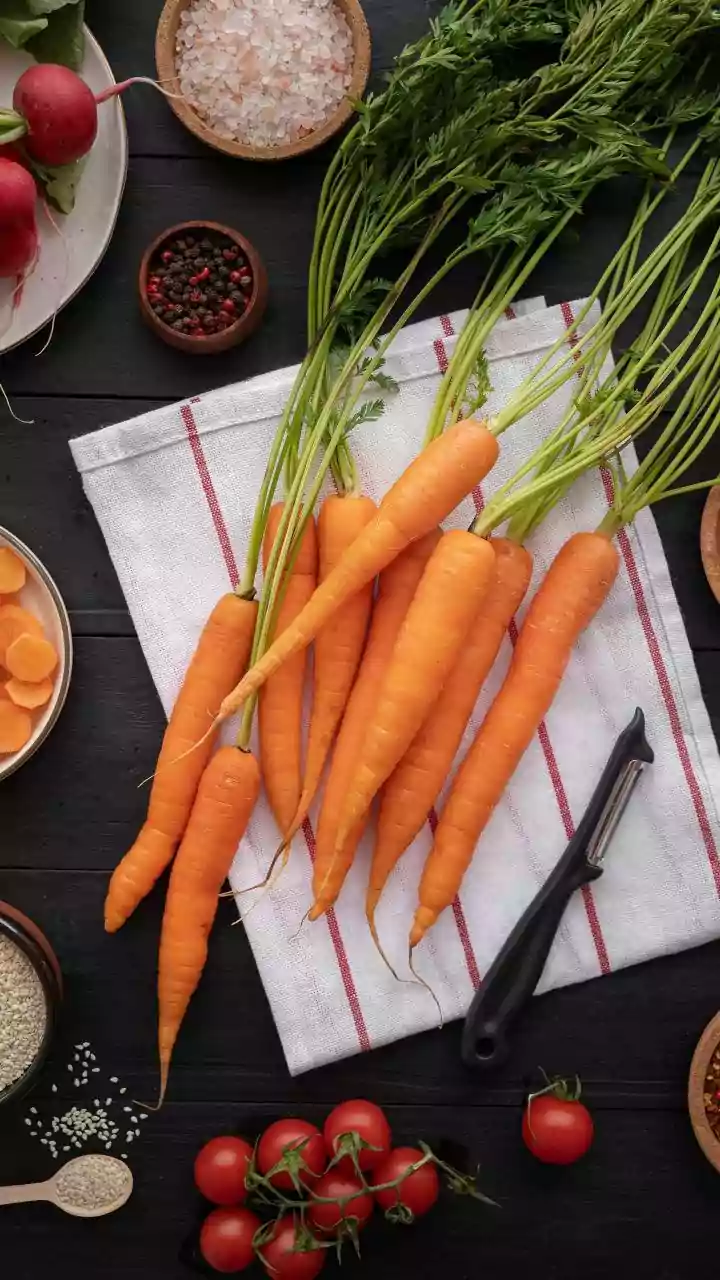
Building a flavourful stock starts with saving the right ingredients. Think of this as your scrap-saving starter kit. The foundation of any good stock is the classic trio of onions, carrots, and celery. Keep a large, labelled freezer bag or airtight container handy and fill it with these essentials: Onions and Garlic: Skins, peels, and ends are perfect. The papery skins add a wonderful golden-brown colour and deep, savoury flavour. Carrots: Peels and ends contribute sweetness and colour. Celery: The tough ends and leafy tops, which are often discarded, are packed with flavour. Leeks: The dark green tops that many recipes tell you to discard are excellent for stock. Just be sure to wash them thoroughly to remove any grit. Mushroom Stems: Don't toss those stems; they provide a rich, earthy, umami flavour. Herb Stems: Stems from parsley, thyme, and other hardy herbs add aromatic complexity. Other great additions: Bell pepper cores, tomato ends, squash peels, and corn cobs all contribute to a well-rounded flavour profile.
The 'No' List: What to Avoid
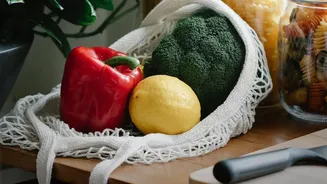
Just as important as knowing what to include is knowing what to leave out. Certain vegetables can make your stock bitter, cloudy, or overpowering. To ensure a clean, balanced flavour, avoid these scraps: Cruciferous Vegetables: This is the most important rule. Scraps from broccoli, cauliflower, cabbage, kale, and Brussels sprouts can release sulfurous compounds, making the stock bitter and unpleasant. Starchy Peels: Potato peels can make your stock cloudy and gummy. A few are okay, but too many will alter the texture. Strong-Flavoured Vegetables: Unless you're making a specific type of stock, avoid dominant flavours like asparagus, which can overpower everything else. Beets: These will dye your stock a vibrant red or pink, which might not be what you want for a general-purpose stock. Rotten or Mouldy Scraps: Only use scraps from fresh, clean vegetables. Anything that is spoiled or mouldy will ruin the entire batch.
The Simple Simmering Method
Once your freezer bag is full (aim for about 8-10 cups of scraps), you're ready to make stock. The process couldn't be simpler. 1. Combine Ingredients: Empty the frozen scraps directly into a large stockpot or Dutch oven. There's no need to thaw them first. For extra depth, you can add a few aromatics like a bay leaf, a teaspoon of whole black peppercorns, and some fresh parsley stems. Hold off on adding salt for now; it's better to season the final dish you make with the stock. 2. Add Water: Pour in enough cold water to cover the vegetables by about two inches. 3. Simmer Gently: Bring the pot to a boil over medium-high heat, then immediately reduce the heat to low for a gentle simmer. Let it simmer for at least one hour, though two hours will extract even more flavour. Avoid boiling it rapidly, which can make the stock cloudy. Your kitchen will fill with a wonderfully comforting aroma. 4. Strain Carefully: Once the simmering is done, let the pot cool slightly. Place a fine-mesh strainer over a large bowl or another pot and carefully pour the stock through it to separate the liquid from the solids. You can gently press on the scraps to release any remaining liquid, then discard the spent vegetables in your compost.
Storing Your Liquid Gold
After straining, allow the stock to cool to room temperature before storing. For short-term use, you can keep it in airtight jars or containers in the refrigerator for up to a week. For longer storage, the freezer is your best friend. Homemade stock freezes beautifully for up to six months. A great tip is to freeze it in different portion sizes. Use standard containers for larger amounts, and pour some into ice cube trays or silicone muffin tins for smaller, convenient portions that are perfect for deglazing a pan or adding a splash of flavour to grains. Once frozen, you can transfer the cubes to a freezer bag to save space.