







The Triple Threat to Travel Plans
Planning a foreign trip in 2026 feels more complicated than ever, and it’s not just your imagination. A combination of factors is making long-haul travel to destinations like Europe and the United States significantly more expensive and challenging. Firstly,
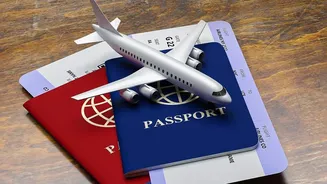
currency exchange rates have become a major pain point. With the Indian Rupee weakening against the US Dollar and the Euro, every aspect of a trip, from accommodation to a simple cup of coffee, costs more. Secondly, elevated airfares, driven by global fuel prices and high demand, mean the single biggest expense of your trip is already starting on a high note. Finally, despite some improvements, visa processing remains a significant hurdle. While Schengen visa processing times are officially around 15 days, peak season demand for popular countries like France and Italy can push the actual wait to several weeks. For the US, first-time tourist visa interview slots can still involve waits of several months, depending on the consulate.
Pivoting to 'Near-cations'
In response to these challenges, savvy Indian travelers are not giving up on international trips—they are simply changing their destination. There is a discernible pivot towards 'near-cations'—countries that are closer, more affordable, and often come with simpler visa requirements. Southeast Asia is the biggest beneficiary of this trend. Destinations like Vietnam, Thailand, Malaysia, and Indonesia (particularly Bali) are seeing a surge in interest. These countries offer an attractive combination of beautiful scenery, rich culture, and, most importantly, value for money. A trip to Vietnam or Thailand can often be planned for a fraction of the cost of a European holiday, with daily expenses being significantly lower. Simplified visa processes, including e-visas and visa-on-arrival options for Indian passport holders, further sweeten the deal, removing a major source of stress from the planning process.
The Great Indian Staycation Boom
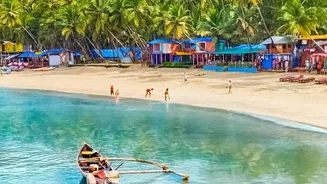
The other major trend is a renewed and enthusiastic focus on domestic travel. Instead of compromising on a scaled-back international trip, many are choosing to spend their vacation budget on exploring India's own diverse landscapes in style. Reports indicate a significant boom in domestic tourism, with spending having risen nearly 37% since 2019. This isn't just about choosing a cheaper option; it's a preference shift. Travelers are exploring premium experiences within the country, from the serene Himalayan regions of Dharamshala and Rishikesh to the beaches of Goa and the backwaters of Kerala. This 'inward wanderlust' is fueled by improved connectivity, a wider range of high-quality accommodation, and a desire for more meaningful, relaxation-focused trips.
How to Travel Smarter in 2026
For those whose hearts are still set on a long-haul international vacation, the key is to plan smarter, not just spend more. The new mantra is strategic flexibility. Booking flights and accommodation well in advance—often six to ten weeks ahead—can help lock in better prices. Being flexible with dates and considering travel during the 'shoulder season' (the months just before and after the peak tourist rush) can lead to significant savings. It also pays to look beyond the most famous cities and explore alternative destinations in Europe or the US that offer similar experiences at a lower cost. Furthermore, managing foreign exchange costs has become a top priority for travelers. Using multi-currency forex cards and being aware of hidden markups can prevent your budget from spiraling out of control. While the dream trip might require more planning today, it's by no means out of reach.