


Meghalaya’s Watery Underworld
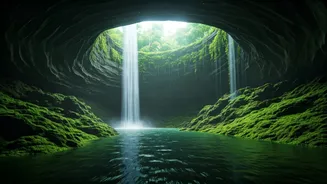
Often called the ‘abode of clouds’, Meghalaya is a natural choice for monsoon magic. While it boasts some of the most extensive cave systems in Asia, Mawsmai Cave near Cherrapunji offers an accessible glimpse into this world. During the rains, the experience
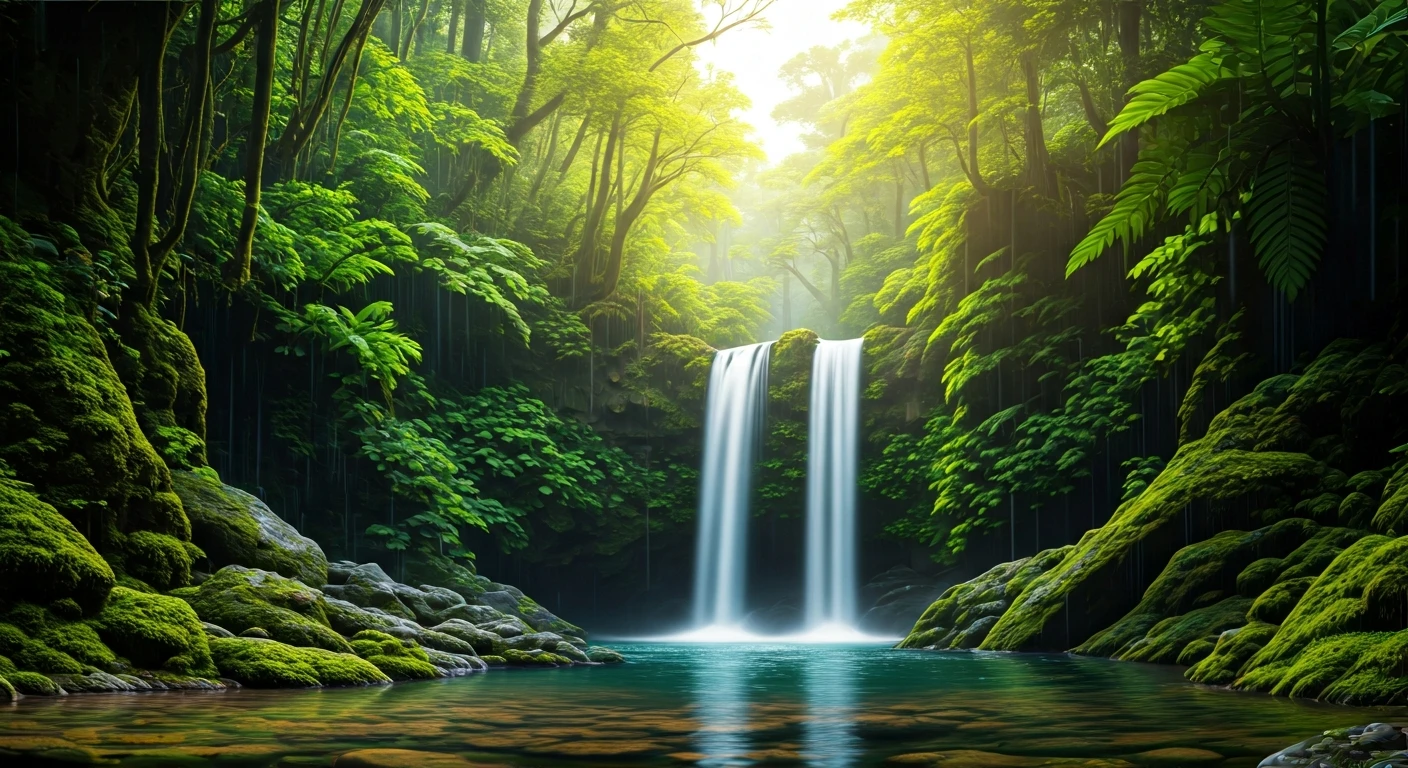
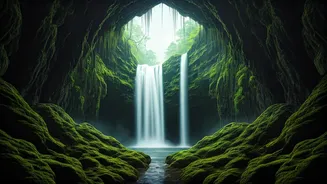
is heightened tenfold. The limestone formations, sculpted over millennia, glisten under your torchlight, slick with fresh moisture. The constant, rhythmic dripping of water creates a unique subterranean symphony. Outside, the landscape is a riot of impossible greens, with impromptu waterfalls appearing around every corner. The entrance to the cave, framed by lush, dripping vegetation, feels like a portal to another dimension. It’s less about staying dry and more about immersing yourself in a world where water is the master artist, constantly reshaping the environment.
Ajanta’s Dramatic Monsoon Cascade
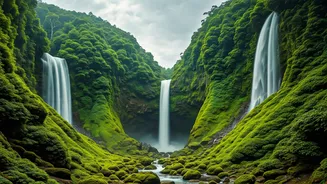
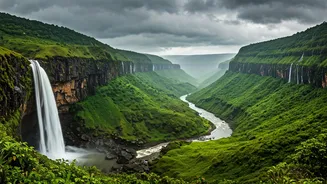
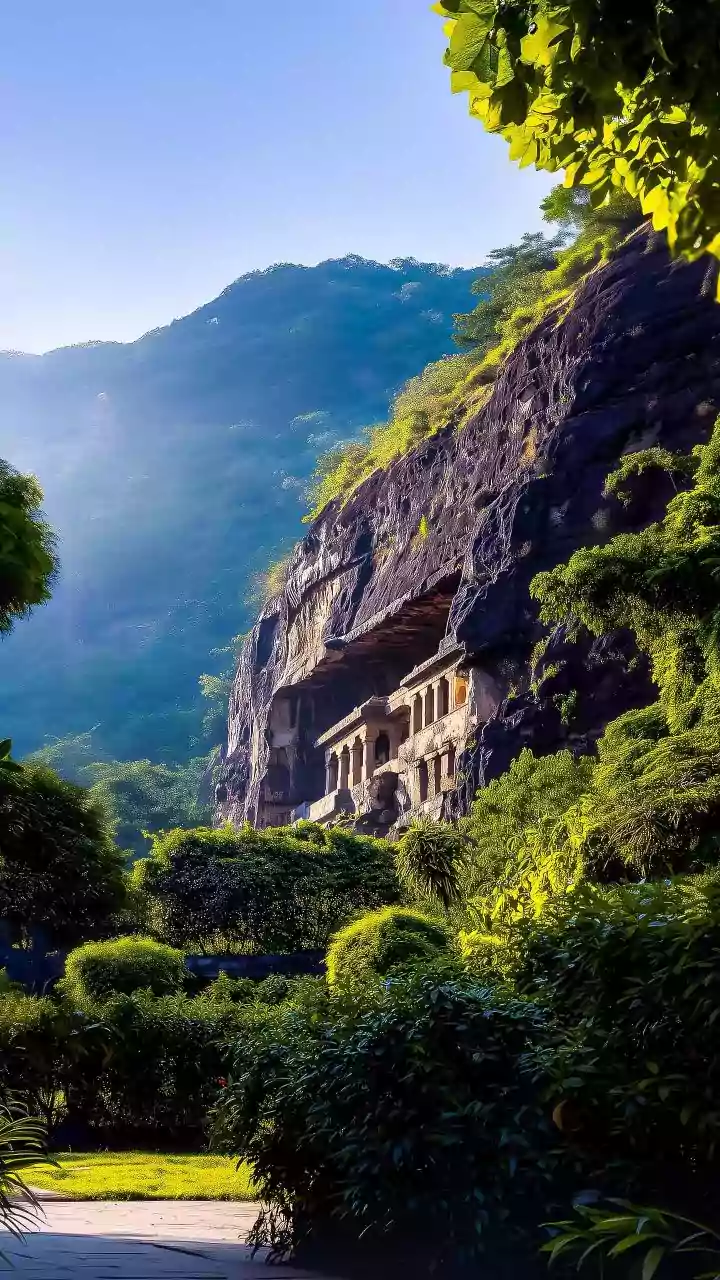
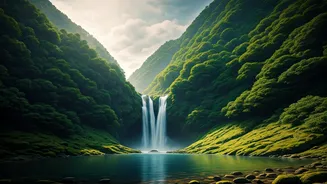
The Ajanta Caves are a UNESCO World Heritage site, renowned for their ancient Buddhist paintings and sculptures. While stunning year-round, the monsoon unveils a spectacle that photographs struggle to capture. The caves are carved into a horseshoe-shaped cliff overlooking the Waghora River. In the rainy season, the river swells and the rocky ravine comes alive. The most iconic sight is the massive waterfall that cascades directly over the cliff face, framing the caves in a curtain of roaring white water. The sound is deafening and the sight is primal. The contrast is what makes it truly magical: inside the caves, there is serene, timeless art depicting ancient life, while just outside, nature puts on its most powerful and ephemeral show. The surrounding hills, parched and brown in summer, turn into a velvet-green carpet, making the entire valley feel lush and rejuvenated.
Badami’s Rain-Washed Majesty
The Badami Caves in Karnataka, carved from dramatic red sandstone cliffs, are a testament to Chalukyan architecture. The monsoon transforms this historical site into a scene of raw, atmospheric beauty. The rain washes the sandstone, deepening its colour to a rich, fiery crimson that stands out dramatically against the grey, moody skies. The Agastya Lake at the foot of the cliffs, often low in other seasons, fills to the brim, its placid waters reflecting the magnificent rock-cut temples. Small rivulets and seasonal waterfalls trickle down the cliff faces, adding movement and life to the static stone. Exploring the four main caves—dedicated to Shiva, Vishnu, and Jain Tirthankaras—feels different during this time. The cool, damp air and the earthy smell of wet soil create a deeply sensory experience, connecting you to the landscape in a way the dry heat of summer never could.
The Undavalli Caves of Andhra Pradesh
Overlooking the Krishna River, the Undavalli Caves are a magnificent example of Indian rock-cut architecture, often overshadowed by their more famous counterparts. Carved from a solid sandstone hillside, their multi-storied structure is a marvel. During the monsoon, the entire region is transformed. The surrounding greenery becomes intensely vibrant, and the views from the upper floors of the cave offer a panoramic spectacle of the swollen river and the lush landscape. The main cave, with its colossal reclining statue of Vishnu, feels even more profound and mysterious when the air is thick with moisture and the sounds of rain echo gently from outside. The climb up the hillside to reach the caves becomes an adventure in itself, with the fresh, clean air and verdant surroundings making it feel like a pilgrimage through a living, breathing landscape.
Bhimbetka’s Prehistoric Green
Step back in time at the Bhimbetka Rock Shelters in Madhya Pradesh, another UNESCO World Heritage site. These natural sandstone caves, nestled within the dense forests of the Satpura Hills, contain prehistoric paintings dating back thousands of years. The monsoon adds a layer of enchantment to this ancient site. The forest, which forms a crucial part of the Bhimbetka experience, comes alive with the rains. The trees are thick with new leaves, the air is filled with the calls of birds and insects, and the entire area feels vibrant and primal. Walking the paths between the rock shelters, you are enveloped by nature at its most lush. The caves themselves offer shelter from a sudden downpour, and sitting inside, looking out at the rain-drenched forest while surrounded by art made by our most distant ancestors, is a profoundly moving experience. It’s a powerful reminder of the timeless connection between humanity and the natural world, a connection that feels most potent during the life-giving monsoon season.