






Beyond the Checklist of Monuments
Urban tourism in India is undergoing a delicious transformation. While the grandeur of the Taj Mahal or the history of the Red Fort will always draw crowds, a growing number of travellers are seeking more authentic, immersive experiences. They are finding
it on the bustling streets and in the narrow alleyways of India's oldest urban centres. Heritage food walks are emerging as a powerful driver of this shift, offering a sensory journey that connects travellers to a city's living history. Instead of just observing the past from behind a velvet rope, tourists are tasting it, smelling it, and engaging with the communities that have kept culinary traditions alive for centuries.
A Journey Through Taste and Time
So, what exactly is a heritage food walk? It's far more than a simple food-tasting tour. It is a curated expedition led by a knowledgeable guide who acts as both a storyteller and a culinary navigator. Each dish sampled comes with a story—about its origins, the community that perfected it, and its place in the city's cultural tapestry. These walks steer visitors away from generic tourist restaurants and into the heart of historic neighbourhoods, stopping at humble, often multi-generational establishments that are landmarks in their own right. The experience is about understanding why a particular kebab in Lucknow is so distinct or how a specific sweet in Kolkata tells a story of migration and settlement. It is history served on a plate.
Delhi's Culinary Labyrinth
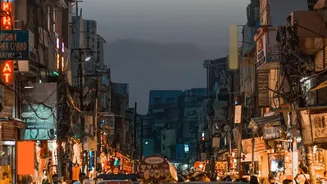
Nowhere is this trend more vibrant than in the serpentine lanes of Old Delhi. A food walk through Chandni Chowk is a rite of passage for any serious food lover. Here, tourism moves beyond the imposing facade of the Red Fort and into a world of sizzling parathas in Parathewali Gali, decadent Daulat ki Chaat in the winter months, and succulent kebabs grilled in recipes passed down since the Mughal era. These walks introduce tourists to a chaotic, intoxicating side of the city they might be too intimidated to explore on their own. By navigating these crowded lanes, visitors discover that the true spirit of Shahjahanabad is not just in its architecture, but in the sizzling woks and simmering pots of its street vendors.
Kolkata's Melting Pot of Flavours
Similarly, in Kolkata, heritage food walks reveal the city's cosmopolitan past. A tour might start with the iconic puchka and kathi rolls, quintessential Bengali street food, before moving to the historic Tiretti Bazaar, India's oldest Chinatown. Here, visitors can sample authentic Chinese breakfasts of steamed bao and dumplings, sold by vendors whose families have lived there for generations. Another walk might explore the city's colonial-era institutions on Park Street or delve into the Anglo-Indian kitchens that created unique culinary hybrids. These tours showcase how waves of migration—from the British and Chinese to Armenians and Jews—have all contributed to the city's diverse and delicious food scene, offering a history lesson that is impossible to get from a textbook.
The Economic Ripple Effect
The impact of these walks extends far beyond the tourist's palate. They provide a vital economic lifeline to small, family-run businesses that might otherwise be overshadowed by modern food chains. By bringing a steady stream of customers to these legacy eateries, food walks help preserve culinary traditions that are at risk of disappearing. This form of tourism creates a positive ripple effect, generating income for local guides, supporting vendors, and encouraging the revitalisation of historic neighbourhoods. It is a more sustainable model of tourism that distributes economic benefits more directly into the community, ensuring that the people who are the keepers of a city's heritage are also its primary beneficiaries.