





Lohagad Fort, Maharashtra
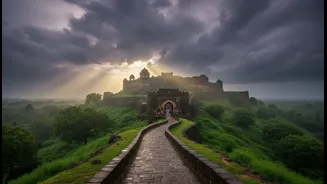
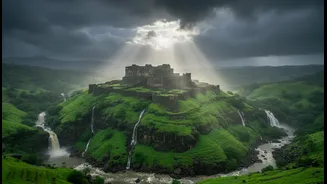
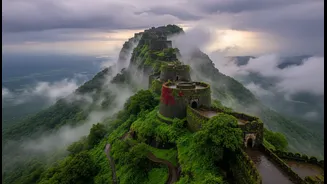
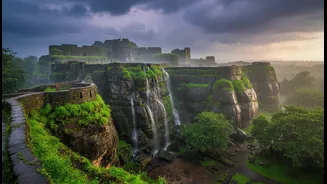
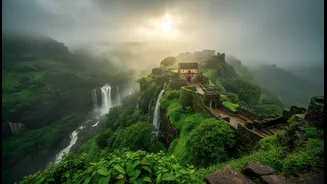
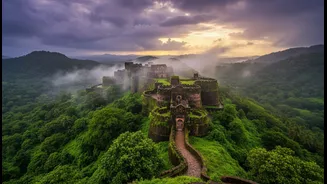
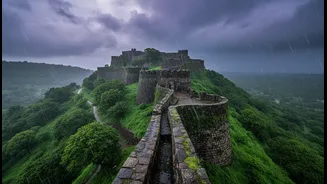
Aptly named the 'Iron Fort', Lohagad becomes a green paradise during the monsoon. Located near Lonavala, this fort is a trekker's delight, especially for beginners. The route to the top, often enveloped in mist and clouds, features small, gushing waterfalls
and lush vegetation. The fort's most iconic feature is the 'Vinchu Kata' or Scorpion's Tail, a long, narrow ridge that offers breathtaking views of the rain-washed Sahyadri mountains and the glistening Pawna Lake below. The cool breeze and the dramatic, cloudy skies make the climb a refreshing and unforgettable experience. Local stalls serving hot snacks along the way add to the cosy monsoon charm.
Kumbhalgarh Fort, Rajasthan
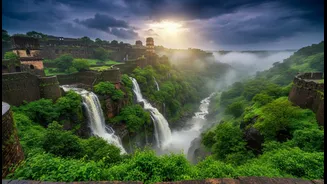
While Rajasthan is known for its arid deserts, the monsoon tells a different story at Kumbhalgarh. This UNESCO World Heritage site, famous for its massive wall stretching over 36 kilometres, is a sight to behold when the Aravalli Hills turn a vibrant emerald green. During the rainy season, clouds often drift across the fort’s ramparts, creating a surreal feeling of walking through the mist. The cooler temperatures make exploring the fort's palaces, including the aptly named Badal Mahal (Palace of Clouds), far more pleasant. The entire landscape, free from the usual tourist crowds, offers a tranquil and almost cinematic experience.
Sajjangarh Fort (Monsoon Palace), Rajasthan
As its popular name suggests, the Monsoon Palace in Udaipur was specifically built to watch the monsoon clouds roll in. Perched atop a hill in the Aravalli range, Sajjangarh Fort offers panoramic views of the rain-drenched city, its shimmering lakes, and the surrounding green peaks. When the clouds gather, the entire vista becomes ethereal and dramatic. The journey up to the fort is as scenic as the destination itself, with winding roads offering stunning views at every turn. It truly lives up to its name, providing one of the most magical monsoon experiences in Rajasthan.
Mehrangarh Fort, Rajasthan
Towering over the Blue City of Jodhpur, Mehrangarh Fort's rugged beauty is dramatically enhanced by the monsoon. The rain washes the sandstone clean, and the surrounding landscape, including the Rao Jodha Desert Rock Park at its base, bursts into life with fresh greenery. From its ramparts, you can witness a stunning contrast between the dark monsoon clouds and the city's iconic blue houses below. The fort’s ancient water harvesting system also comes alive, with rainwater flowing through historic channels, adding another layer to its architectural marvel. The moody, atmospheric lighting makes it a photographer's dream.
Harishchandragad, Maharashtra
For the more adventurous soul, Harishchandragad is an iconic monsoon trek in the Sahyadris. This ancient hill fort is renowned for its dramatic landscapes, which become even more spectacular during the rains. The highlight is the Konkan Kada, a massive concave cliff from where you can watch clouds drift below you, a truly unforgettable sight. The trek takes you through dense forests, past cascading waterfalls, and alongside rocky patches, offering a complete adventure. Exploring the ancient caves and temples at the top, wrapped in mist and cool mountain air, makes the challenging journey entirely worthwhile.
Gagron Fort, Rajasthan
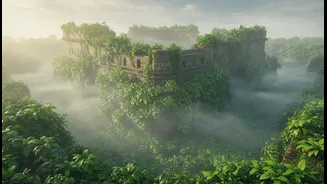
A unique gem, Gagron Fort is a designated UNESCO World Heritage site surrounded by water on three sides. Located in Jhalawar, this 'Jal Durg' or water fort becomes exceptionally picturesque during the monsoon when the Ahu and Kali Sindh rivers swell with rainwater. The surrounding area turns lush and green, and a thick mist often envelops the ancient walls, making the fort appear as if it is floating. Its relative isolation means fewer crowds, allowing for a peaceful exploration of its watchtowers and bastions while enjoying the serene, painting-like landscape.