

The Problem With ‘Cook Until Done’
How many times have you been confounded by phrases like “cook until fragrant,” “season to taste,” or the dreaded “cook until done”? These instructions are the bane of home cooks because they assume a level of experience you may not have. Cooking language
originally developed in professional kitchens for speed and efficiency, where a single, exact term could replace a whole sentence. But when these terms are watered down for home recipes, they often become vague and unhelpful. For a beginner, “cook until tender” is a mystery. Does that mean five minutes or fifty? This ambiguity is where dishes go wrong. A recipe might call for a “dash” of an ingredient, a measurement that can mean 1/8 of a teaspoon or simply a quick shake, depending on who you ask. This lack of a shared, precise vocabulary sets many cooks up for frustration and failure.
From Vague to Vivid: A New Language
The solution is to translate these vague ideas into concrete, observable events. It's about shifting from a passive follower to an active observer. Think of it as learning a new, more descriptive language. Instead of “sauté the onions,” a better recipe would say, “Cook the onions in two tablespoons of oil over medium-low heat, stirring occasionally, until they become translucent and smell sweet, about 8-10 minutes.” Notice the specifics: the heat level, the visual cue (translucent), the smell (sweet), and a time estimate. This doesn't just tell you what to do; it teaches you what to look for. The difference between “boil” and “simmer” is crucial; one involves vigorous bubbles for things like pasta, while the other uses gentle bubbles for slow-cooking stews. Learning the difference between terms like “chop,” “dice,” and “mince” ensures ingredients are the right size to cook evenly. Precise descriptions remove the guesswork.
Your Senses Are the Best Tools
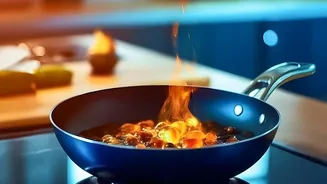
Great cooking is a full sensory experience. Recipes that rely only on time and temperature ignore the most valuable tools you have: your eyes, ears, nose, and sense of touch. Beyond watching onions turn translucent, listen for the sounds of the kitchen. A pan that is hissing loudly might be too hot, while a dry sizzle may signal you need to add more oil. Your nose is an incredible tool for doneness; the nutty aroma of browning butter or toasting nuts is a clear indicator that it's time for the next step. You can often smell when garlic becomes fragrant, just moments before it burns. Touch also provides clues. Tapping the bottom of a loaf of bread and listening for a hollow sound is a classic test for doneness. Feeling the firmness of a steak can tell you more about its internal temperature than a timer ever could. Engaging all your senses turns cooking from a mechanical process into a mindful practice.
Describing Your Way to Intuition
This practice of precise description does more than just help you complete one recipe successfully. It builds your culinary intuition. Every time you consciously note, “The chicken was done when the juices ran clear and it reached an internal temperature of 165°F,” you are creating a mental data point. You are teaching yourself cause and effect. This is how chefs develop the ability to cook without recipes; they have a vast internal library of sensory cues and outcomes. They know what should happen, and they can describe it with exacting detail. By starting to describe the process to yourself in the same way, you begin building that same library. You move from simply executing instructions to understanding the principles behind them. You learn why searing meat creates a flavorful crust or why resting meat keeps it juicy. This knowledge is the foundation of true cooking freedom.
How to Be a Better Recipe Detective
Moving forward, approach recipes like a detective looking for clues. When you encounter a vague instruction, ask yourself what the author likely means. “Cook until brown” could mean a light golden color or a deep, dark crust. Look at photos or read the headnotes for context. Don’t be afraid to annotate your recipes. If you find that “cook for 10 minutes” was actually more like 15 in your oven, write it down. If “season to taste” meant you needed a full teaspoon of salt, make a note. The greatest compliment a recipe writer can receive is that their recipes work. By adding your own precise descriptions and observations, you are collaborating with the writer to make the recipe foolproof for your own kitchen. You are turning a generic map into a personalized guide for a delicious destination.