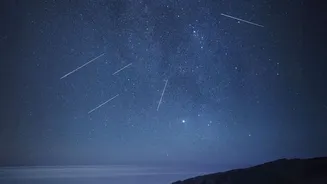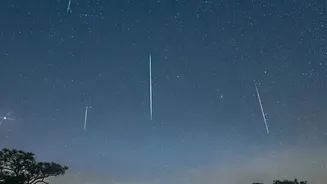


What Are These Faint Streaks?
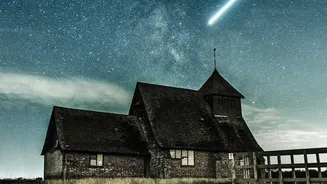
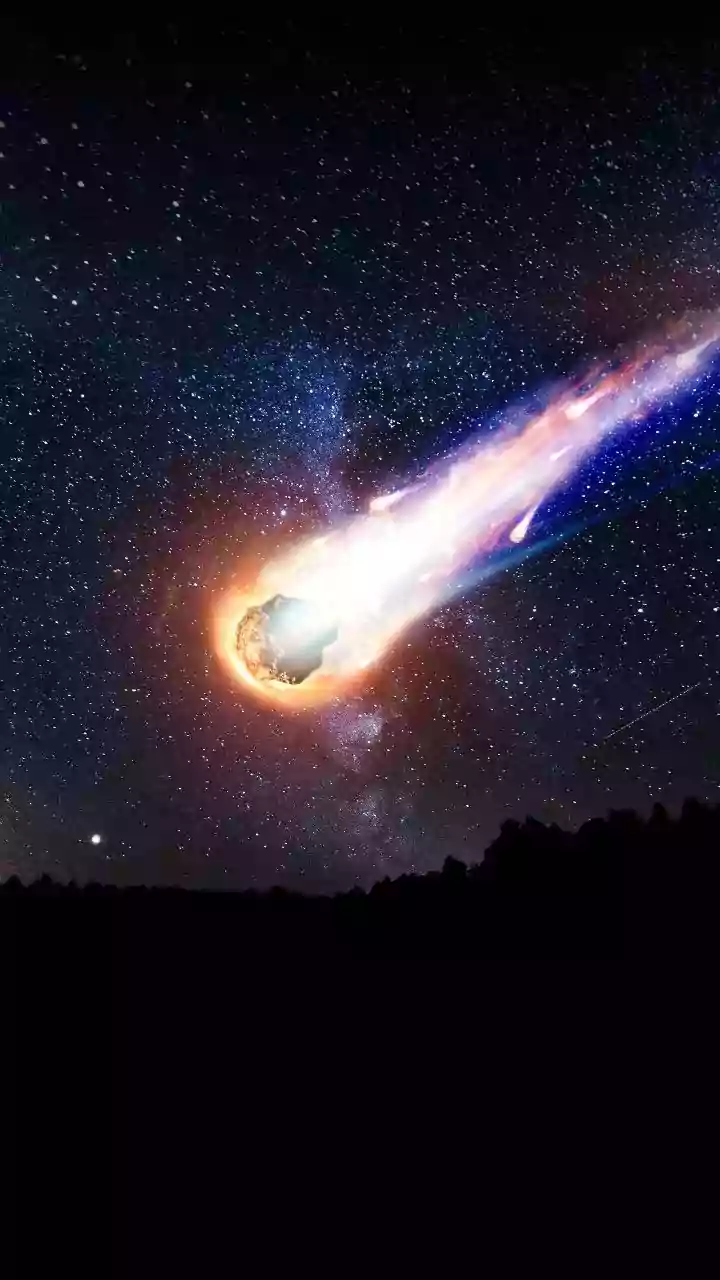
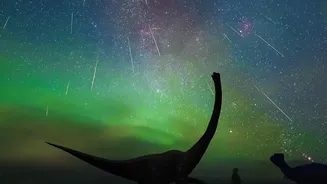
The celestial display is the annual Perseid meteor shower, one of the most beloved stargazing events of the year. These 'shooting stars' aren't stars at all. They are tiny bits of ice and rock, debris left behind by a massive comet called 109P/Swift-Tuttle.
This comet, which is 26 kilometres wide, orbits the sun every 133 years, leaving a dusty trail in its wake. Every August, Earth's orbit takes it right through this trail of cosmic dust. As these particles, some no bigger than a grain of sand, hit our atmosphere at tremendous speeds—about 59 kilometres per second—they burn up, creating the brilliant streaks of light we call meteors.
Why This Year Is an Unmissable Opportunity
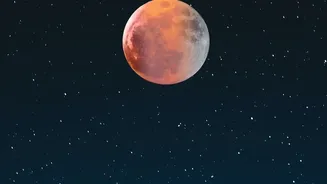
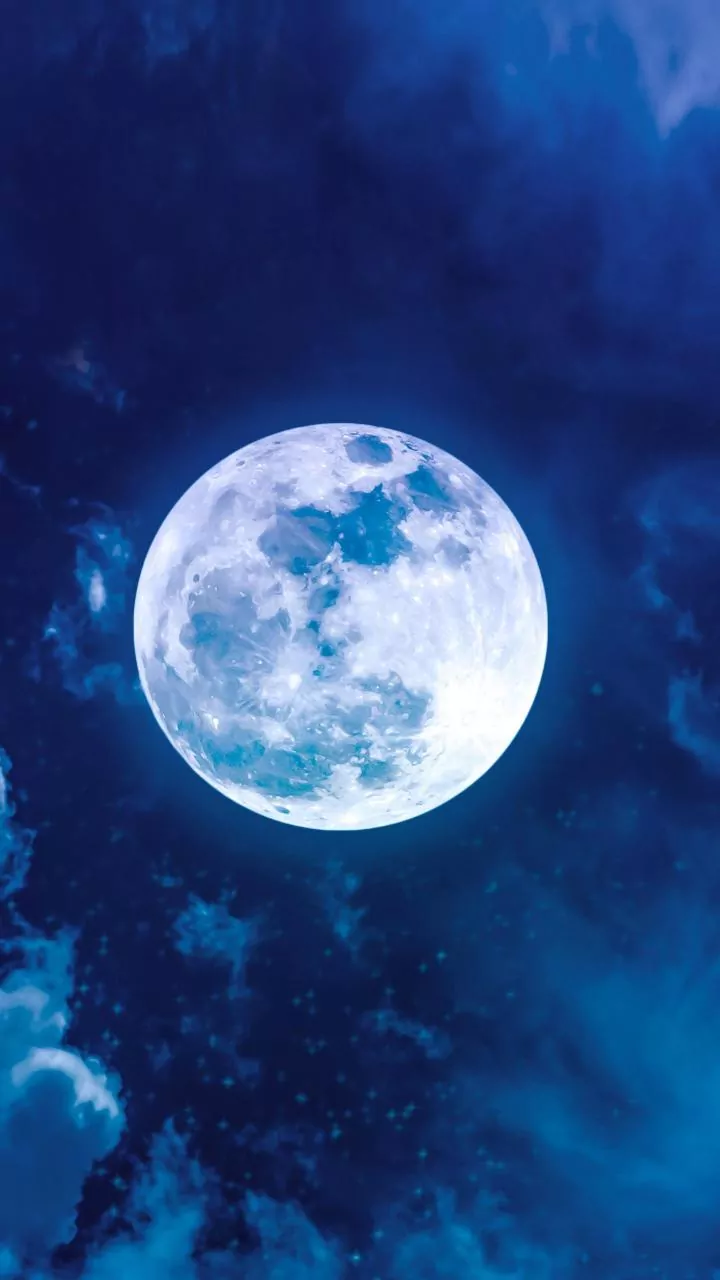
What makes 2026 exceptional for viewing the Perseids is the phase of the moon. The shower is set to peak on the nights of August 12th and 13th, which coincides perfectly with the New Moon on August 12th. This means the sky will be completely dark, without any moonlight to wash out the fainter meteors. A bright moon can dramatically reduce the number of visible shooting stars, making a moonless night the ideal condition for any meteor hunter. With this perfect alignment, viewers in dark locations could see between 50 and 100 meteors per hour during the peak. It’s a rare alignment that offers one of the best opportunities in years to witness the full glory of the shower.
Your Guide to Watching in India
The Perseids will be visible from all across India. The peak activity is predicted for the pre-dawn mornings of August 12 and 13. The best time to start watching is from around midnight until just before dawn, as the radiant point in the constellation Perseus climbs higher in the sky, increasing the number of visible meteors. While the technical peak is around 8:23 PM IST on August 13, the prime viewing window for India will be between 2:00 AM and 4:30 AM on both mornings. You don't need any special equipment like a telescope or binoculars; in fact, your naked eyes are best for scanning the wide expanse of the sky.
Tips for the Best Viewing Experience
To maximise your chances of a great show, the single most important step is to get away from city lights. Light pollution from cities and towns can make all but the brightest meteors invisible. Find a dark, open spot like a park, a field on the outskirts of town, or a rural area. Allow your eyes at least 20 to 30 minutes to fully adjust to the darkness; this will help you spot the fainter streaks. Avoid looking at your phone, as the bright screen will ruin your night vision. Finally, get comfortable. Bring a blanket or a reclining chair, lie back, and simply look up. Patience is key, as the meteors often come in spurts.
A Note on Monsoon Weather
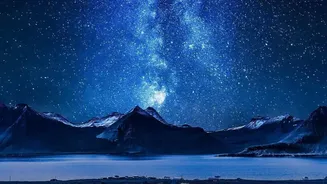
For many in India, the biggest obstacle to enjoying the August Perseids is the monsoon. Cloudy skies can completely block the view. However, don't let this discourage you entirely. Keep an eye on local weather forecasts. If a clear night is predicted, it's worth the effort. For those determined to get a guaranteed view, rain-shadow regions offer the best bet. Areas like Ladakh and the Spiti Valley, which are shielded from the main force of the monsoon, are known for their exceptionally clear and dark skies, making them prime locations for astrophotography and stargazing during this period.