







The Post-Meal Blood Sugar Spike
After you eat, your body gets to work breaking down carbohydrates into glucose, which enters your bloodstream. This causes your blood sugar levels to rise. In response, your pancreas releases insulin, a hormone that helps your cells absorb this glucose for
energy. However, large, sharp spikes in blood sugar can be problematic over time, even for people without diabetes. They are linked to an increased risk for developing Type 2 diabetes and cardiovascular issues. The goal is to moderate these spikes, and that’s where a post-meal walk comes in.
How Walking Lowers Blood Sugar
When you start walking, even at a light pace, your muscles need energy. They get this energy by pulling glucose directly from your bloodstream, which effectively lowers your blood sugar levels. This process improves your body's sensitivity to insulin, making it more efficient. Studies have shown that even a brief walk of just two to ten minutes right after a meal can have a significant effect on blunting the glucose spike that typically occurs 60 to 90 minutes after eating. A short walk after eating can be more effective at managing blood sugar than one longer walk taken at another time of day.
Active Recovery for Muscle Pain
The term "active recovery" refers to using low-intensity exercise to help your body recover from more strenuous workouts. If you're experiencing delayed onset muscle soreness (DOMS) — that familiar stiffness and ache that sets in a day or two after a tough workout — sitting still might feel tempting, but it can actually prolong the discomfort. Gentle movement is often a better strategy. Walking increases circulation, pumping oxygen-rich blood to your sore muscles. This enhanced blood flow helps deliver nutrients needed for repair and clears out metabolic waste products that contribute to soreness and fatigue.
The Perfect Post-Meal Recovery Walk
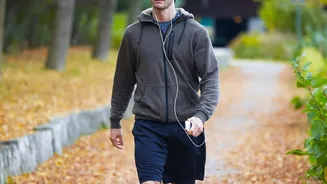
Timing and intensity are key. For blood sugar benefits, the ideal window is to start walking within minutes of finishing your meal, before your glucose levels peak. Aim for a 10 to 20-minute stroll. The pace should be light and conversational; you’re not trying to break a sweat. This is about gentle movement, not a high-intensity workout which could interfere with digestion. This light activity promotes muscle repair and reduces stiffness without creating more fatigue, making it an ideal form of active recovery on days you're feeling sore from other activities.
Beyond Sugar and Soreness
The benefits of a post-meal walk don’t stop there. Gentle movement can also aid digestion by promoting gastric emptying, which may help reduce feelings of bloating and gas. Over time, making this a consistent habit contributes to better overall cardiovascular health by helping to manage blood pressure and keeping you active throughout the day. It turns a simple, daily activity — eating — into a consistent opportunity to care for your body in multiple ways.