




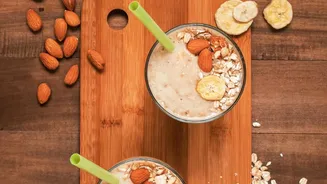

An Ancient Grain for Modern Mornings
Millets, the ancient 'nutri-cereals' making a huge comeback in Indian kitchens, are small but mighty grains packed with impressive health benefits. For centuries, they were a dietary staple, valued for their resilience and robust nutritional profile.
Today, as people seek healthier and more traditional food choices, millets like ragi (finger millet), jowar (sorghum), bajra (pearl millet), and foxtail millet are being rediscovered. Naturally gluten-free, they are an excellent choice for anyone with gluten sensitivity or those simply looking to diversify their grain intake. Their resurgence is not just about tradition; it's about recognizing their power to provide sustained energy and support overall well-being in our fast-paced lives.
The Secret to Gentle Digestion
One of the most celebrated benefits of millets is their positive impact on digestive health. The claim of 'gentle digestion' comes from several key properties. Firstly, millets are rich in dietary fibre, which is essential for promoting regular bowel movements and preventing constipation. This fibre adds bulk and acts as a prebiotic, feeding the good bacteria in your gut and fostering a healthy microbiome. Secondly, certain varieties like barnyard millet are known to be alkaline and non-acidic, making them particularly easy on the stomach, especially for those who experience acidity or bloating. Unlike some heavier grains, properly prepared millets are light and less likely to cause digestive distress, making them a soothing start to your day.
Lasting Fullness for a Productive Day
The feeling of 'lasting fullness', or satiety, is where millet smoothies truly shine for busy morning schedules. This effect is thanks to their high content of complex carbohydrates and fibre. Unlike simple carbs that cause a quick spike and crash in blood sugar, the carbs in millets are digested slowly. This slow-release mechanism provides a steady stream of energy, keeping you feeling full and focused for hours. A systematic review of studies confirmed that millet-based foods significantly increase the feeling of fullness by prolonging the time it takes for the stomach to empty. This prevents the mid-morning hunger pangs that often lead to unhealthy snacking, helping you stay productive and on track until lunch.
How to Build Your Perfect Millet Smoothie
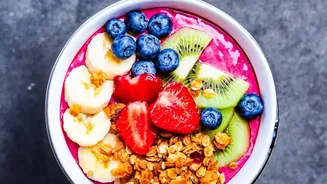
Making a millet smoothie is surprisingly simple. The key is to use cooked and cooled millet to ensure a smooth, creamy texture and easy digestion. Using raw millet is not recommended. You can either use cooked whole grains or millet flour that has been cooked into a porridge. A good starting point is to soak the millet grains for a few hours before cooking them until tender. Once cooled, you can store the cooked millet in the fridge for a few days. For a single-serving smoothie, start with 3–4 tablespoons of cooked millet. Blend it with about one cup of liquid (milk, coconut milk, or even water), your favourite fruit (like a frozen banana or mango for creaminess), and a natural sweetener like dates or honey if needed.
Tips and Flavour Pairings
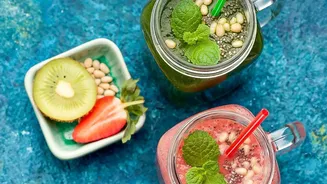
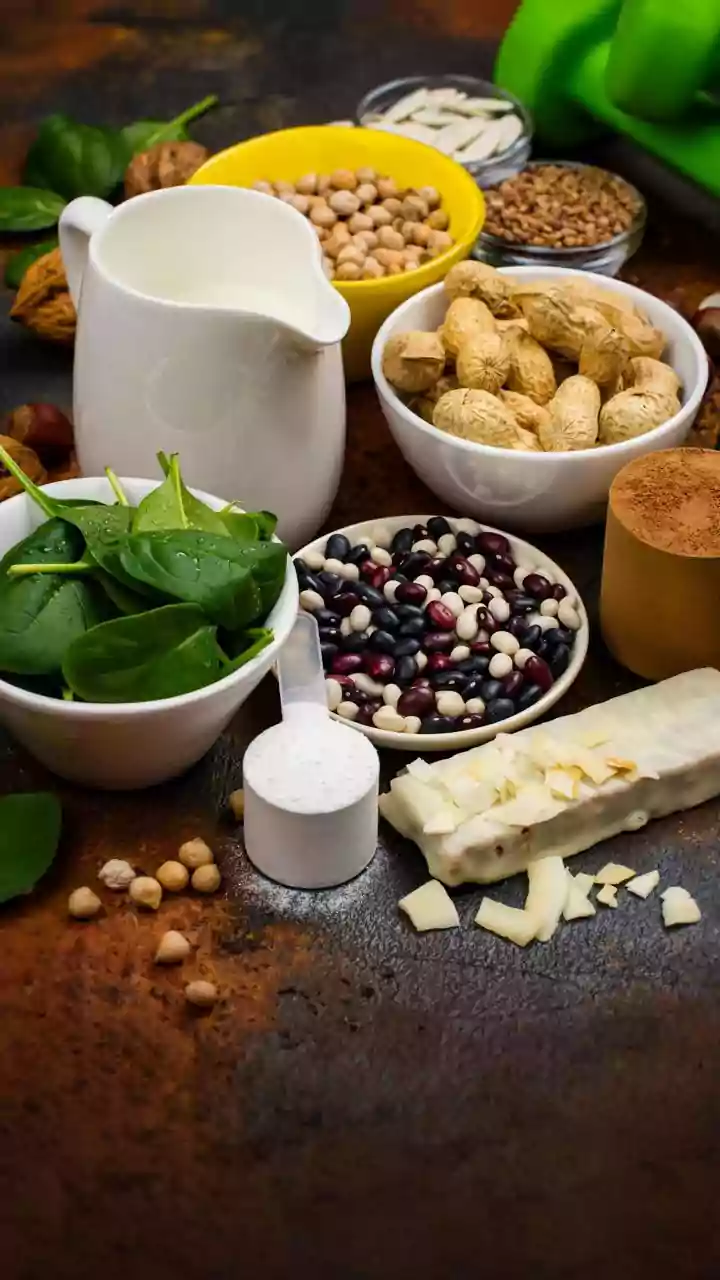
To enhance your millet smoothie, consider adding a boost of protein or healthy fats with a spoonful of nuts, seeds, or peanut butter. If you're new to millets, start with a smaller amount and see how your system feels. Varieties like barnyard and foxtail millet are often considered the easiest to digest for beginners. For a truly Indian touch, add a pinch of cardamom powder, a few strands of saffron, or blend with tropical fruits like mango and pineapple. You can also make a green detox smoothie by blending millet with spinach, cucumber, and a squeeze of lime. Experimenting with different millet types and flavour combinations will help you find the perfect blend to supercharge your mornings.