





The End of the Production Bottleneck
For years, high-quality video creation was a significant hurdle, requiring expensive equipment, specialized software, and time-consuming editing. This created a gap between ambitious ideas and the ability to execute them, especially for creators in smaller
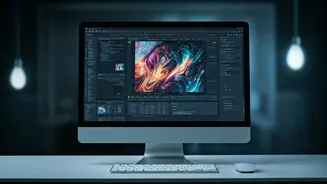
towns. AI video tools are systematically dismantling these barriers. Platforms like Runway, InVideo, and Pictory allow creators to generate or edit video with simple text prompts, automating tasks that once took hours. According to industry reports, AI can slash content production costs by as much as 60-80% compared to traditional shoots, which involve fees for talent, crew, and travel. This efficiency means creators can produce more content faster, experiment with new formats, and maintain a consistent presence on platforms like YouTube Shorts and Instagram Reels, where volume and speed are critical.
Breaking the Language Barrier
In a country as linguistically diverse as India, reaching a pan-national audience has always been a challenge. AI-powered dubbing and voice-cloning technologies are proving to be a game-changer. Creators can now translate and dub their content into multiple regional languages like Hindi, Tamil, and Telugu with remarkable accuracy and natural-sounding tone. This allows a vlogger from one state to seamlessly connect with viewers in another, massively expanding their potential market. Tools are emerging that can even handle lip-syncing, making the dubbed content feel more authentic and paving the way for Indian creators to not only conquer the domestic market but also reach global audiences without re-shooting a single frame.
A New Partner in Creativity
The shift to AI isn't just about efficiency; it's also about augmenting creativity. A staggering 99% of Indian creators surveyed in a recent Adobe report said they actively use generative AI. Their applications range from brainstorming and scriptwriting to generating entirely new visual assets. Many creators report that AI enables them to produce content they simply couldn't have made before, whether it's crafting cinematic B-roll, designing futuristic visuals for a reel, or transforming static images into dynamic videos. This turns AI from a simple tool into a creative co-pilot, helping creators overcome artistic limitations and bring more ambitious visions to life. The viral trend of AI filters on Instagram is a testament to this, where creators use AI transformations to create eye-catching and highly shareable content.
The Race for a Competitive Edge
India's creator economy is a crowded and competitive space, with over 100 million creators vying for attention. In this environment, adopting AI is becoming less of a choice and more of a strategic necessity. Creators using AI-driven analytics can better understand audience preferences, predict which thumbnails or titles will perform best, and optimize their content strategy. As AI tools become more integrated into platforms, those who master them gain a significant advantage in speed, scale, and relevance. This has led to a major shift where the line between creator and tech-savvy entrepreneur is blurring, with some launching their own AI-based courses and platforms. The competition is so fierce that brands are now considering AI-generated virtual influencers, who offer controlled messaging and 24/7 availability, putting further pressure on human creators to innovate.
Navigating the Risks and Ethical Questions
Despite the widespread adoption, the move toward AI is not without its challenges. A primary concern among creators is the unauthorized use of their content to train AI models. Furthermore, the rise of AI-generated content brings legal ambiguity, as India's copyright laws are not yet clear on who owns work created by a machine, posing a risk to the long-term value of a creator's digital assets. There's also the risk of content becoming generic and soulless if creators rely too heavily on AI without adding their unique human touch and cultural context, which is crucial for connecting with Indian audiences. This has led to a growing consensus that the most successful path forward is a hybrid model where AI handles the heavy lifting, while human creators provide the essential storytelling, authenticity, and emotional connection.