







The Flat-Text Dilemma
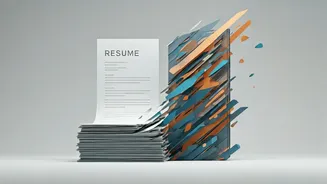
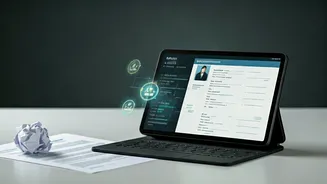
The traditional resume has long been the cornerstone of a job application, but its limitations are becoming increasingly apparent in the digital age. A static, text-based document struggles to capture the full spectrum of a candidate's abilities. [1]
It can list achievements but fails to tell the story behind them, omitting the context of challenges overcome and lessons learned. [1] Soft skills, such as communication, adaptability, and leadership, are nearly impossible to convey through bullet points alone. [1, 4] Furthermore, with recruiters spending mere seconds on each application, a flat resume risks getting lost in the pile, often filtered out by Applicant Tracking Systems (ATS) for simple keyword mismatches before a human ever sees it. [4, 1] This format can also introduce unconscious bias based on names or educational background, limiting the talent pool. [4]
More Than a Bio: What is a Personal Brand?
Enter the personal brand. This isn't about being an influencer; it's the process of strategically building your professional image both online and offline. [13] For Gen-Z, it's about showcasing potential, uniqueness, and values in a way that resonates with the modern job market. [2, 5] A personal brand is dynamic and three-dimensional. It's the sum of your digital footprint: your insightful LinkedIn posts, your GitHub repository of code, your design portfolio on Behance, or even a professional TikTok channel sharing industry knowledge. [12, 8] It’s a living, breathing extension of your resume that provides tangible proof of your skills and personality. [12] Research shows that 67% of Gen-Z adults believe having a strong personal brand is important, a figure that far surpasses older generations. [10, 3]
What Hiring Managers Really Want
Recruiters are no longer confined to the four corners of a CV. Studies show that a vast majority of employers now research candidates online. [14] They are actively looking for a more holistic view of an applicant. A well-curated personal brand provides just that, offering a glimpse into a candidate's passion, creativity, and cultural fit—qualities a resume can only hint at. [15] Some reports indicate that 70% of employers say a personal brand is more important than a resume. [14] Authenticity is key; Gen-Z jobseekers are finding success with a more interactive, work-in-progress style of branding that showcases imperfections, which can build trust and engagement with employers. [6, 11] A strong brand can demonstrate skills, showcase purpose, and signal readiness for the next career step. [7]
Digital Natives in Their Element
Having grown up fully immersed in the digital world, Gen-Z is uniquely positioned to excel at personal branding. [8] They are adept at using platforms like Instagram, TikTok, and YouTube not just for entertainment but as stages for professional storytelling. [8, 10] This generation is leveraging social media to build their professional reputation, proudly including their digital presence on their resumes rather than hiding it. [18] This proactive approach is also a strategic response to economic uncertainty; coming of age amidst mass layoffs has taught them that being a known entity with a public portfolio acts as a safeguard against job insecurity. [10] While this can lead to pressure and burnout, for many, it’s a non-negotiable survival skill in today’s fragile job market. [7, 3, 16]
From Resumes to Rich Profiles
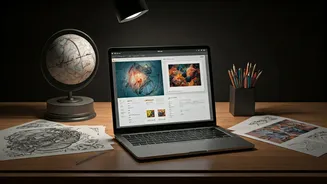
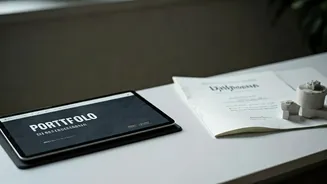
The classic resume isn't entirely obsolete, but its role has fundamentally changed. [15] It's no longer the main event but rather the ticket to the show—and the show is your personal brand. A resume might state you have experience in graphic design, but a personal website or Behance profile *shows* your creative talent through a rich portfolio. [12] A CV might list 'communication skills', but a series of articulate LinkedIn articles or a well-produced video on YouTube *proves* it. This is the new currency of career development. It's about moving from a static list of past accomplishments to a dynamic demonstration of current skills and future potential. [12, 1] The resume opens the door, but the brand is what gets you a seat at the table.