


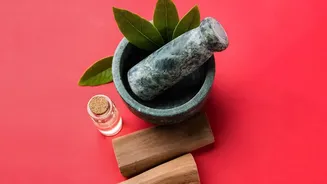

The Fiery Comfort of Chukku
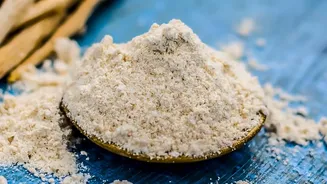
Chukku, or dry ginger, is a cornerstone of Ayurvedic and home remedies across South India. Known in Ayurveda as 'Shunthi', it is created by drying fresh ginger, a process that concentrates its powerful compounds like gingerols and shogaols. This gives
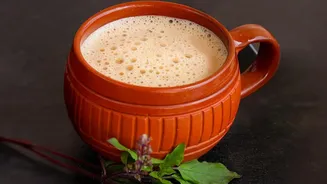
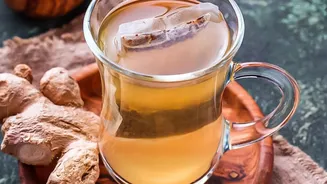
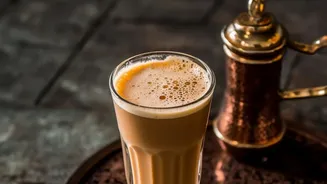
Chukku a potent, pungent taste and a warming quality ('Ushna Virya') that is highly valued. Traditionally, it is used to tackle issues related to Kapha and Vata doshas, which are often associated with congestion and colds. Its primary role in respiratory health is as a natural decongestant and expectorant; it helps to break down and expel mucus from the airways, providing relief from coughs and stuffy noses. Furthermore, its anti-inflammatory and antioxidant properties help soothe inflamed airways and support the body's immune response. A warm cup of 'Chukku Kaapi' is a familiar comfort, relied upon to ease throat irritation and bring a sense of warmth during a cold spell.
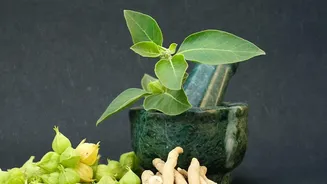
Thulasi: The Queen of Herbs
Thulasi, or Holy Basil, holds a sacred place in Indian culture, revered for both its spiritual significance and its medicinal prowess. Often called the 'Queen of Herbs', it is considered an adaptogen, helping the body manage stress and maintain balance. For respiratory wellness, Thulasi is a powerhouse. It possesses antimicrobial, antiviral, and antibacterial properties, making it a first line of defence against infections that cause colds and flu. Ayurvedic wisdom values Thulasi for its ability to liquefy phlegm and support lung function, which is beneficial for conditions like bronchitis and asthma. Its leaves are rich in antioxidants, Vitamin C, and zinc, which naturally boost immunity. Traditionally, juice from Thulasi leaves mixed with honey is a common remedy for coughs, soothing the throat and strengthening the body's fight against infection.
A Synergy of Spice and Herb
When Chukku and Thulasi are combined, their individual strengths create a synergistic effect that is greater than the sum of its parts. This classic pairing is a staple in many herbal decoctions, or 'kashayams'. The fiery, penetrating heat of Chukku works to clear congestion and stimulate circulation, while the antimicrobial and immunomodulatory actions of Thulasi help to address the root cause of the infection and calm inflammation. Together, they form a balanced and effective brew. Chukku's warming energy is complemented by Thulasi's ability to soothe irritated tissues. This combination can help ease symptoms like a sore throat, persistent cough, and chest congestion, providing comprehensive support for the respiratory system.
Brewing a Cup of Wellness
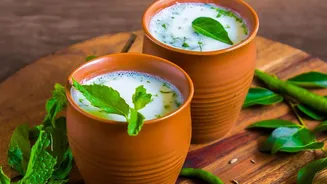
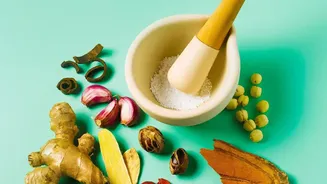
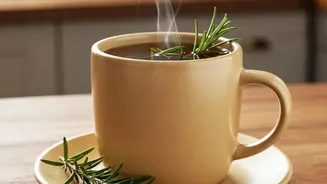
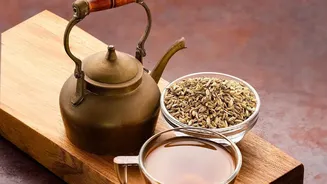
The most common way to consume these ingredients is in a 'kashayam' or a 'kaapi'. While the famous 'Chukku Malli Kaapi' traditionally highlights dry ginger and coriander seeds, Thulasi is a very common and powerful addition. Preparing this herbal brew is simple. A typical kashayam involves boiling a handful of fresh Thulasi leaves along with a small piece of Chukku (or a teaspoon of Chukku powder) in water. Often, other spices like black pepper (milagu), cumin (jeeragam), and coriander seeds (malli) are added to enhance the therapeutic effects. The mixture is boiled until the volume of water reduces by about half, concentrating the herbal extracts. It is then strained and sweetened with palm jaggery ('karupatti') or honey, both of which have their own soothing properties for a sore throat. This comforting drink is sipped warm to provide immediate relief.
Tradition in a Modern World
In an age of instant solutions, the practice of preparing these heritage brews is a grounding reminder of the wisdom embedded in tradition. These remedies are not meant to replace medical treatment for serious conditions, but they serve as a gentle, effective way to manage common ailments and bolster the body's natural defences. The act of brewing a kashayam is itself a ritual of care, connecting us to the practices of our grandparents. It represents a holistic approach to wellness, where the kitchen is a source of both nourishment and healing. By embracing ingredients like Chukku and Thulasi, we are not just addressing a cough or cold; we are participating in a living tradition that has supported generations.