



The Problem with the 'See Everything' Approach
Many travellers arrive in a new city with a long checklist of must-see attractions scattered across every corner of the map. The result is a holiday spent largely in transit. You might spend hours each day in taxis, ride-sharing services, or crowded public
transport, navigating unfamiliar routes. This constant movement is not only stressful and tiring but also expensive. You spend more time travelling between sights than actually experiencing them, turning a relaxing vacation into a logistical challenge. It’s a fast-paced approach that often leaves you feeling like you need a holiday from your holiday.
Embrace the Single-Neighbourhood Stay
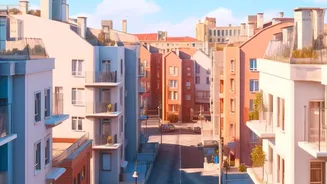
The alternative is simple: instead of trying to conquer an entire city, choose one vibrant neighbourhood and make it your home base. This is a core principle of 'slow travel', a movement that encourages deeper, more meaningful connections with the places you visit. By staying in one area, you trade cross-city chaos for a more relaxed and immersive experience. You get to know the rhythm of the place, from its morning rush at the local coffee shop to its evening buzz in the neighbourhood park. This approach allows you to travel deeper, beyond the curated tourist routes, and discover the true character of a place.
How to Choose Your Perfect Base
Selecting the right neighbourhood is the most crucial step. Start by researching areas that are known for their walkability. Look for a place that has a high concentration of things that interest you. Are you a foodie? Find a neighbourhood famous for its culinary scene. Love art and culture? Look for an area with galleries, theatres, and street art. A good base should ideally have a mix of restaurants, cafes, shops, a park or green space, and access to reliable local public transport for the occasional longer trip. Choosing a local vacation home or apartment in such an area can enhance this feeling of immersion, offering more space, privacy, and an authentic, homely feel that many hotels lack.
The Joy of Walking and Local Transit
Once you've settled in, the primary mode of transport becomes your own two feet. Walking allows you to discover the hidden gems that you would otherwise miss while speeding by in a car. You’ll stumble upon charming side streets, independent boutiques, and quiet courtyards. For destinations within the neighbourhood that are slightly further away, you can rely on local transport like a tram, bus, or bicycle. This not only reduces your carbon footprint but also saves a significant amount of money on taxi fares. This slower pace is less stressful and promotes a sense of calm and contentment, allowing you to be fully present and savour the journey.
Becoming a 'Local' for a Few Days
Staying put allows for a deeper cultural immersion. You'll start to recognise faces, find a favourite spot for your morning tea, and maybe even strike up conversations with local shop owners. Instead of just seeing a place, you start to understand it. This kind of authentic connection is often the most memorable part of any trip. You’re not just a tourist ticking off a list; you're a temporary resident experiencing the daily life of the community. It's a chance to support local businesses and contribute directly to the neighbourhood's economy.
Planning for That One Big Excursion
Of course, there might be a major landmark outside your chosen neighbourhood that you simply can't miss. A single-neighbourhood stay doesn’t mean you’re confined. Instead, you plan for these trips strategically. Dedicate one day to that specific excursion. Plan your route in advance using the city's public transport system, travel during off-peak hours if possible, and make a day of it. By consolidating your long-distance travel into one or two planned outings, you preserve the relaxed, localised feel of the rest of your trip, giving you the best of both worlds.