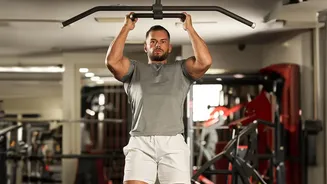








The image of a gym is changing. Once dominated by treadmills and bodybuilders, urban fitness centres are now seeing a surge in people from all walks of life picking up weights, not for aesthetics, but for long-term health and resilience.
More Than Just Building Muscle
For years, the
mainstream fitness conversation in India was centred around cardiovascular activities like running or cycling, primarily for weight loss. Strength training was often seen as a niche pursuit for athletes or those wanting to build significant muscle mass. However, a significant shift is underway across Indian cities. More people are embracing resistance training as a powerful tool for preventive health—a way to build a stronger, more resilient body to ward off future ailments. This isn't just about looking fit; it's about investing in your future quality of life, ensuring you can carry groceries, play with your grandchildren, and stay independent well into your later years. The focus has moved from the mirror to metabolic health, bone density, and functional strength for everyday living.
The Science of a Stronger Life
The health benefits of making your muscles work against resistance are well-documented and profound. According to global health bodies like the World Health Organization (WHO), adults should engage in muscle-strengthening activities at least two days a week. This practice does more than just firm up your arms. It's a crucial defence against age-related decline. Strength training stimulates bone-building cells, which helps increase bone density and reduce the risk of osteoporosis, a condition to which women are particularly susceptible post-menopause. Furthermore, having more muscle mass improves your body's insulin sensitivity, which is vital for managing and preventing type 2 diabetes. It also boosts your metabolism, enhances balance and stability to prevent falls, and can reduce symptoms of chronic conditions like arthritis and heart disease.
Why Now? The Urban Indian Shift
Several factors are driving this trend in India's urban centres. A post-pandemic surge in health consciousness has made people more proactive about their well-being. There's also a growing awareness of the high prevalence of lifestyle diseases like diabetes and hypertension in the country. Fitness influencers on social media have played a huge role in demystifying weightlifting, showcasing its benefits, and making it seem more accessible. This has particularly resonated with women, who are increasingly claiming their space in the weights section, challenging old myths that lifting makes you 'bulky'. The fitness industry itself is evolving, with a boom in boutique studios and functional fitness gyms that offer community-based, coach-led training, making it less intimidating for beginners.
Redefining the Modern Gym
Walk into a modern city gym today, and you're likely to see a far more diverse crowd than a decade ago. Women and older adults are confidently performing deadlifts and squats alongside seasoned lifters. The atmosphere is shifting from one of competition to education, with a greater emphasis on proper form and progressive overload rather than just lifting the heaviest weight possible. Trainers report a change in client goals, with more requests for improving strength for longevity and painfree movement, rather than purely aesthetic outcomes. This cultural shift is creating more inclusive and welcoming fitness spaces where the goal is shared improvement and longterm health. Some entrepreneurs have even launched womenonly gyms to provide safe and encouraging environments.
How to Get Started Safely
The idea of starting strength training can be daunting, but it doesn't have to be. You don't need to immediately start lifting heavy barbells. The easiest way to begin is by using your own body weight. Exercises like squats, pushups (which can be done against a wall or on your knees), and lunges are excellent for building a foundational layer of strength. As you get more comfortable, you can introduce household items like water bottles or use resistance bands. When you feel ready to join a gym, consider hiring a qualified trainer for a few sessions. They can teach you the correct form for key movements, which is crucial for preventing injury and ensuring you get the most out of your workouts. Remember, consistency is more important than intensity, especially at the beginning.