



The All-Rounder: Hibiscus (Gudhal)
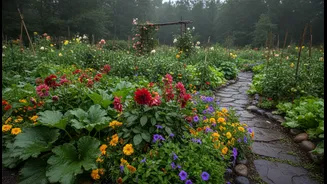
A staple in Indian gardens, the Hibiscus is a true monsoon marvel. These plants adore the sun but also flourish with the increased moisture and humidity of the rainy season, often producing larger and more frequent blooms. Coming in a spectacular array
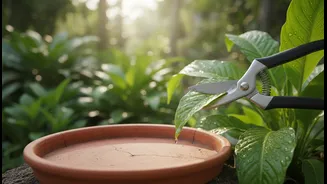
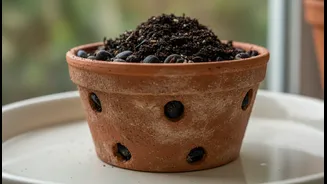
of colours like red, pink, yellow, and white, they add a tropical elegance to any terrace. The key to keeping them happy is excellent drainage. While they enjoy moist soil, waterlogged roots are their enemy. Ensure your pots have clear drainage holes and use a well-draining soil mix to prevent root rot during heavy spells. Regular pruning after a blooming cycle will encourage bushier growth and more flowers.
The Tough Survivor: Bougainvillea
If you want a riot of colour with minimal fuss, Bougainvillea is your answer. These hardy plants are known for their resilience and ability to withstand both intense sun and heavy rains. Their vibrant, paper-like bracts in shades of pink, magenta, purple, and orange are a common sight, cascading over walls and fences. On a sunny terrace, they are true showstoppers. During the monsoon, they thrive in well-drained soil. It's crucial to let the soil dry out a bit between waterings, as they are susceptible to root rot if left in standing water. Less water often encourages more prolific blooming, so the breaks between monsoon showers are actually beneficial for this plant.
The Cheerful Bloomer: Periwinkle (Sadabahar)
Known as Sadabahar, or 'ever-blooming', the Periwinkle lives up to its name by providing a steady show of flowers throughout the year. This low-maintenance plant is particularly resilient during the monsoon. It loves a sunny spot and can tolerate the heat, but it also handles the rain with grace, making it ideal for a terrace that experiences both extremes. Its starry white, pink, and mauve flowers offer a continuous splash of colour. Vinca is a low-care plant that does not demand much attention, but ensuring it is planted in well-draining soil will prevent any issues with root rot during prolonged wet periods.
The Sun Worshipper: Portulaca (Moss Rose)
Portulaca, often called Moss Rose or '10 o'clock flower', is a sun-loving succulent that puts on a dazzling display. Its flowers, which come in a rainbow of bright colours, open up in the morning sun. While succulents are generally associated with dry conditions, Portulaca is surprisingly tolerant of monsoon humidity, provided it has excellent drainage. It's perfect for sunny terrace edges and hanging baskets. The key is a sandy, well-aerated soil that allows excess water to drain away quickly, preventing the roots from sitting in water. Their low-growing, spreading habit makes them a wonderful ground cover in larger pots.
The Fragrant Star: Jasmine (Mogra/Chameli)
The fragrance of Jasmine is synonymous with the Indian monsoon. These plants, whether in their shrub (Mogra) or climber (Chameli) form, adore the humidity and produce an abundance of sweet-smelling white flowers during the rainy season. They are sun-loving plants that need several hours of direct light to bloom profusely. While they love the moisture that monsoon brings, good drainage is vital. Ensure pots are not waterlogged and allow for good air circulation around the plant to prevent fungal issues. The combination of the petrichor from the rain and the scent of jasmine is an experience every terrace gardener should have.
The Hardy Shrub: Ixora (Rugmini)
Ixora, also known as 'Flame of the Woods', is a sun-loving evergreen shrub that produces large, vibrant clusters of tiny flowers. These dense flower heads come in shades of red, orange, yellow, and pink, creating a stunning visual impact on a sunny terrace. Ixora plants thrive in warm, humid climates and perform exceptionally well during the monsoon, often pushing out new growth and abundant blooms. They prefer acidic, well-drained soil. While they need regular moisture, especially during their blooming period, you should avoid letting them sit in water. A sunny spot on the terrace will ensure you get the best and brightest flower clusters.
A Note on Care
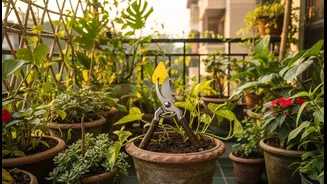
Regardless of the plant, the single most important factor for success during the monsoon is drainage. Ensure every pot has unclogged drainage holes. You can even raise pots on bricks or stands to help excess water escape. The soil mix should be light and well-draining, often amended with sand or perlite. It is also wise to check the soil moisture with your finger before watering; even in monsoon, a brief dry spell might require you to water, but frequent rains mean you will likely water much less than in summer.