





Embrace Pulses and Grains
Lentils and pulses are the backbone of a monsoon kitchen. Not only are they packed with protein, but they are also easy to digest, which is a bonus when the digestive system can feel sluggish during this season. Stocking up on moong dal, masoor dal, and chana
means a comforting bowl of dal or a wholesome khichdi is always within reach. Store them in airtight glass or steel containers to protect them from moisture and pests. Adding a few bay leaves or dried neem leaves to the container can also help keep insects away. Similarly, having staples like rice and atta on hand ensures that the foundation of most Indian meals is secure, even when a trip to the market seems impossible.
Create Ready-to-Use Masala Bases
One of the biggest time-savers in any kitchen is having basic pastes ready. During the monsoon, this trick is doubly useful. Preparing a batch of ginger-garlic paste and a foundational onion-tomato masala can cut your daily cooking time significantly. These bases are the starting point for countless curries, sabzis, and dals. Simply sauté your vegetables or protein, add the pre-made masala, and your dish is halfway done. Store these pastes in clean, airtight jars in the refrigerator. This not only makes cooking faster on a gloomy day but also reduces the daily chore of peeling and chopping, minimising your contact with water and potential contaminants.
Rely on Hardy Vegetables
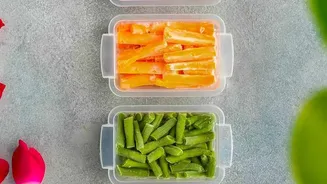
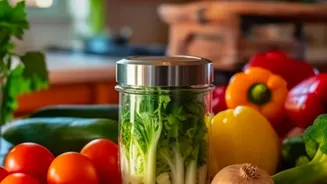
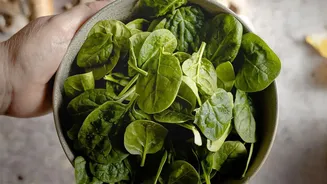
While it's wise to be cautious with leafy greens, which can harbour dirt and spoil quickly in the humidity, you can confidently stock up on hardy vegetables. Potatoes, onions, sweet potatoes, and pumpkins have a longer shelf life and are incredibly versatile. Store them in a cool, dark, and dry place away from each other to prevent them from sprouting or rotting. These vegetables form the perfect base for simple stir-fries, comforting soups, or hearty additions to khichdi and pulao, providing necessary nutrients when fresh options are limited.
Stock Smart for Healthy Snacking
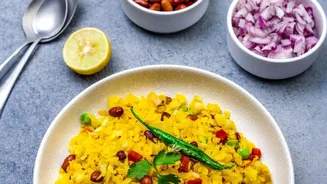
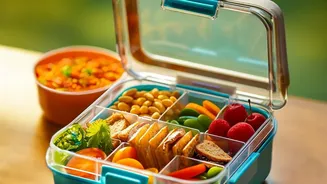
Monsoon evenings often bring intense cravings for something crunchy and savoury, often leading us to dream of fried street food. A smarter way to satisfy these cravings is by stocking dry, healthy snacks. Roasted makhana (fox nuts), poha (flattened rice), and murmura (puffed rice) are excellent options. You can prepare a big batch of roasted makhana with a little ghee and spices and store it in an airtight jar. A ready mix for poha, with roasted peanuts and seasonings, means a quick, satisfying snack is just minutes away. These options are not only healthier than deep-fried snacks but also much safer, as they avoid the risks associated with street food during this season.
Utilise Powders and Mixes
A few key powders can be lifesavers during the monsoon. Milk powder is a must-have for your daily chai or coffee, especially if heavy rains disrupt the fresh milk supply. Beyond that, consider stocking up on besan (gram flour) and sooji (semolina). Besan can be used to make simple, comforting dishes like cheelas, which are quick, protein-rich, and easy to digest. Roasting a batch of sooji ahead of time and storing it in an airtight container prevents it from getting infested and makes preparing a quick upma for breakfast or an evening snack incredibly easy. These dry ingredients are resilient to the monsoon dampness and offer quick meal solutions.
The Power of Pickles and Spices
When your meals feel a bit repetitive, pickles and spices can instantly elevate them. A small piece of mango or lemon pickle can add a burst of flavour to a simple meal of dal and rice. Beyond flavour, many traditional Indian spices have immunity-boosting properties. Stocking up on whole spices like turmeric, black pepper, cumin, and ajwain (carom seeds) is a great idea. These spices not only add depth and aroma to your cooking but are also known for their anti-inflammatory and digestive benefits, which are particularly helpful during the monsoon when gut health can be compromised.