





From Waste Stream to Food Source
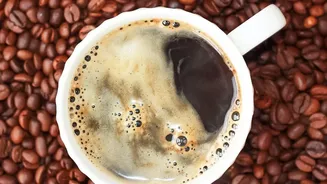
The idea is a perfect example of a circular economy: take a widely available urban waste product and use it as the primary resource for a new enterprise. Across Europe, Australia, and North America, innovative startups are collecting tonnes of spent coffee
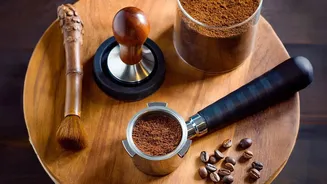
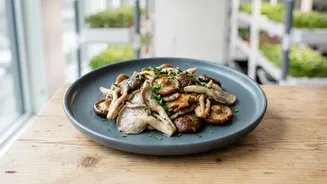
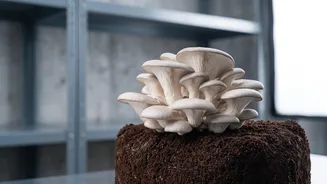
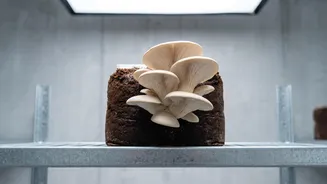
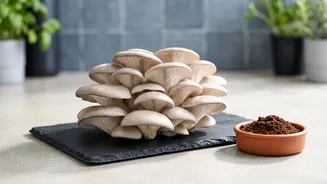
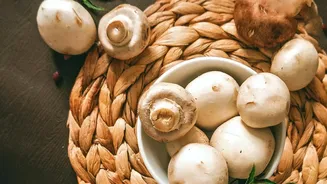
grounds from local cafes, offices, and restaurants. Instead of paying for this organic matter to be hauled to a landfill, where it would decompose and release potent methane gas, these businesses get a free, nutrient-rich material. This material, called substrate, becomes the foundation for growing gourmet mushrooms, particularly fast-growing species like Oyster mushrooms. The farms themselves are often located in repurposed urban spaces like basements, shipping containers, or empty office buildings, bringing food production directly into the city.
The Perfect Medium
So, why are coffee grounds so special? It turns out they are an almost perfect medium for growing certain types of fungi. The brewing process, which involves forcing hot water through the grounds, effectively pasteurises them. This kills off most competing bacteria and mould, a step that traditional mushroom farmers have to perform using energy-intensive methods. Furthermore, even after brewing, the grounds are packed with nitrogen, cellulose, and other nutrients that mushrooms love. This means urban farmers can bypass a costly and time-consuming step, significantly lowering the barrier to entry and the initial investment required to start a farm. The process is straightforward: mix the grounds with mushroom spawn (the fungal equivalent of seeds), pack them into breathable bags or containers, and provide the right dark, humid conditions for growth.
Solving Two Urban Problems at Once
This innovative model provides a compelling solution to two major urban challenges: waste management and food security. Cities produce immense quantities of organic waste, and coffee grounds are a significant part of that stream. Diverting this waste from landfills not only saves on disposal costs but also reduces greenhouse gas emissions. At the same time, these farms create a source of fresh, locally grown produce right where the demand is highest. This drastically cuts down on "food miles"—the distance food travels from farm to plate—reducing transportation costs and associated emissions. By growing food within city limits, these farms enhance urban resilience and provide residents with access to fresh, healthy, and sustainably produced mushrooms that can be harvested and delivered to restaurants and markets the same day.
The Business Case for Circularity
Beyond the environmental benefits, the economics are a major driver of investment. With a primary input material that is essentially free, the business model is highly attractive. While staff and location are significant costs, the return on materials can be substantial. Fresh, gourmet mushrooms command a high price at farmers' markets and restaurants, especially locally sourced varieties that are fresher than their mass-produced counterparts. This creates a viable business that can be profitable even at a small scale, unlike many other forms of indoor farming that require massive capital investment to break even. The model represents a tangible application of circular economy principles, demonstrating that businesses can create value, stimulate innovation, and generate jobs by transforming waste into a resource.
Closing the Loop
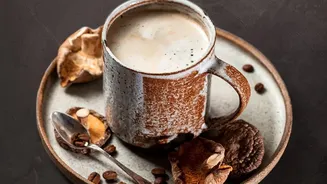
The circular journey doesn't even end with the mushroom harvest. After the fungi have grown and been picked, the leftover coffee and mycelium mixture, known as spent mushroom substrate, has yet another life. This material is a fantastic soil amendment, rich in organic matter that can be used as a high-quality compost or fertiliser for gardens and other agricultural projects. Some innovators are even taking it a step further, exploring uses for the spent substrate in creating bio-briquettes for fuel or biochar, a form of charcoal that improves soil health and sequesters carbon. This final step truly closes the loop, ensuring that what started as a cup of coffee is fully utilized, with its valuable nutrients ultimately returning to the soil.