


Embracing the Monsoon Magic
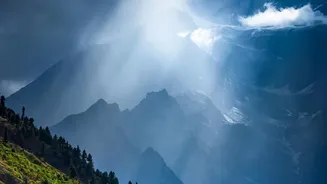
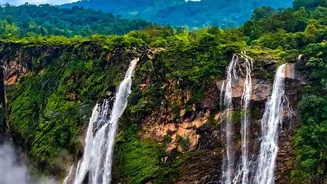
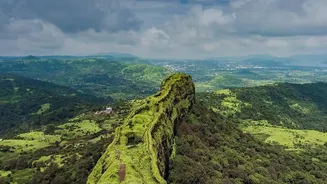
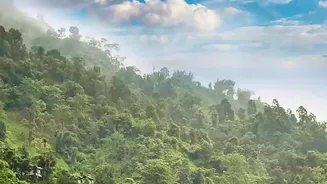
From June to September, the Western Ghats, a UNESCO World Heritage Site stretching across five states, sheds its dry exterior and comes alive. The landscape erupts in countless shades of green, waterfalls cascade down hillsides that were barren just weeks
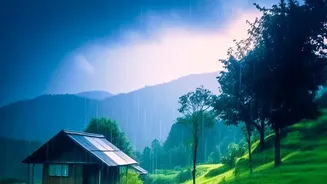
before, and the air is thick with the scent of wet earth. This isn't just a change of scenery; it's a sensory reset. For travellers willing to embrace the rain, it offers a quieter, more profound connection with nature, away from the peak-season crowds. The dramatic, cloud-laden skies and vibrant foliage create a photographer's dream and a nature lover's paradise.
Choosing Your Monsoon Haven
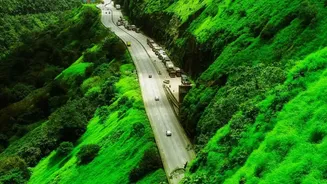
The Ghats offer a wide array of destinations, each with a unique monsoon character. Hill stations like Munnar in Kerala and Coorg in Karnataka become dreamlike, with tea and coffee plantations veiled in mist. For those seeking raw nature, places like Wayanad and Thekkady offer dense forests and the chance to see wildlife. In Maharashtra, destinations such as Malshej Ghat and Mahabaleshwar are famous for their dramatic cliffs and hundreds of seasonal waterfalls. However, it's crucial to be flexible. Some areas, like Mollem in Goa or certain high-altitude treks, can become risky during heavy downpours. Always check local advisories and weather alerts before finalising your destination.
The Art of Packing Smart
Monsoon packing goes beyond just a raincoat. The golden rule is to ditch cotton, which absorbs moisture and becomes heavy. Instead, opt for lightweight, synthetic, quick-dry clothes. A sturdy poncho is often better than a jacket as it can cover both you and your backpack. For your feet, prioritise grip. Good trekking shoes or sandals with excellent traction are non-negotiable for slippery trails. While waterproof shoes sound great, they can trap water that gets in; well-draining footwear might be a better option. Finally, protect your valuables. Use waterproof bags or dry sacks for electronics, wallets, and an emergency set of dry clothes.
Navigating with Caution
The beauty of the monsoon comes with inherent risks. Landslides are a genuine threat in the Ghats, and certain roads like Agumbe Ghat can become treacherous. The 2026 monsoon is forecast to be 'below-normal', which may mean fewer road closures, but caution is still paramount. Always check the latest road conditions and have buffer days in your itinerary to account for potential delays. Avoid driving on ghat roads at night and be wary of streams and waterfalls, as water levels can rise suddenly. Some popular tourist spots may be closed for safety, so respect local warnings. It's also wise to trek with a guide or in a group, never alone.
Health, Wellness, and Leeches
The damp, humid weather requires a few extra health precautions. Keep a basic first-aid kit with antiseptic liquid, as small cuts can get infected easily in the wet conditions. And then there are the leeches. A common feature of monsoon treks in the Ghats, leech bites are generally harmless but can be unsettling. They release an anaesthetic, so you often don't feel the bite until you see it. To manage them, wear leech-proof socks or tuck your trousers firmly into thick socks. Carrying a small amount of salt, sanitizer, or a lighter can help in removing them. Most importantly, don't let the fear of them stop you from enjoying the forest.
Unique Monsoon Experiences
The rain unlocks unique activities that are unavailable at other times of the year. It's the best season for 'herping' — observing amphibians and reptiles that become highly active. Bioluminescent fungi can be spotted glowing in the dark in certain forests, and pre-monsoon periods often feature spectacular firefly festivals. For nature enthusiasts, it's the breeding season for iconic species like the Malabar Gliding Frog. Food lovers can savour seasonal delicacies and the simple pleasure of a hot cup of chai while watching the rain. These experiences are the true reward for braving the weather.