



The Core Economic Advantage
The most straightforward reason train travel is budget-friendly is the ticket price. For most routes across India, a train journey is significantly cheaper than a flight. For example, a third AC (3AC) ticket for a medium-distance journey can cost a fraction
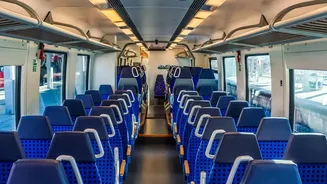
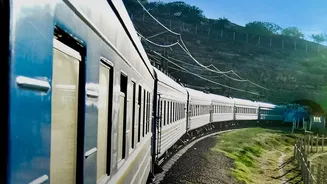
of an economy flight ticket for the same route. While first-class AC (1AC) or even second-class AC (2AC) fares on premium trains can sometimes approach the cost of a budget airline ticket, the lower-tier classes like 3AC and Sleeper offer substantial savings, making them the backbone of budget travel in India. An overnight journey in a sleeper class coach not only costs very little but also saves you the expense of a hotel for one night. This dual saving is a cornerstone of backpacking and budget tourism across the nation.
Beyond the Fare: The Hidden Savings
The financial benefits of rail travel extend far beyond the initial booking. Airlines are notorious for strict luggage limits and hefty fees for extra baggage. Indian Railways, in contrast, offers far more generous luggage allowances, which is a significant advantage for longer trips or families travelling with more baggage. Another major saving comes from avoiding expensive airport transfers. Airports are typically located on the outskirts of cities, requiring a costly taxi or cab ride to reach the city centre. Railway stations, however, are almost always centrally located, providing immediate access to affordable local transport, budget hotels, and local eateries that offer a true taste of the region without the inflated prices of airport or tourist-trap restaurants.
Unlocking India's Hidden Gems
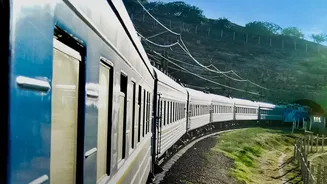
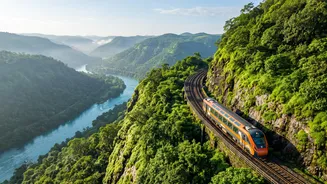
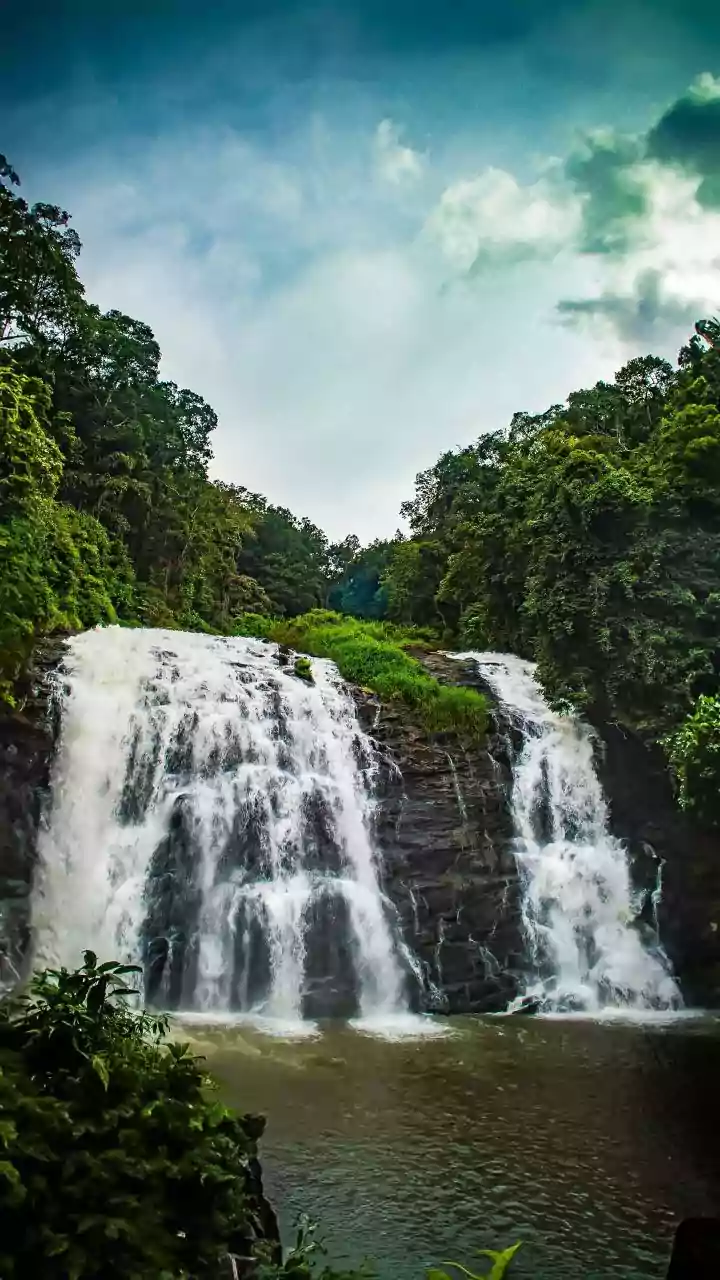
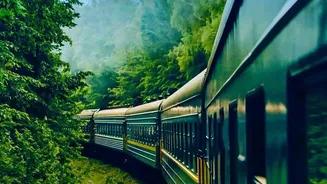
Perhaps the greatest advantage of India's vast rail network is its ability to connect travellers with destinations that are off the beaten path. While flights connect major metropolitan hubs, trains venture deep into the country's heartland, opening up a world of discovery. Destinations that lack an airport are often more pristine and less crowded. Consider the route from Visakhapatnam to Araku Valley, a journey through the Eastern Ghats that is an attraction in itself. Similarly, the train to Sawai Madhopur provides direct access to Ranthambore National Park, and the line to Kalka serves as the gateway to hill stations like Barog and Shimla. These connections make it possible to explore ancient ruins in Hampi, the serene backwaters of Kerala, or the cultural richness of towns in Rajasthan and Uttar Pradesh without needing expensive private transport.
A Government Push for Deeper Exploration
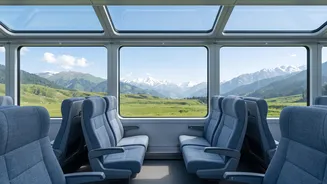
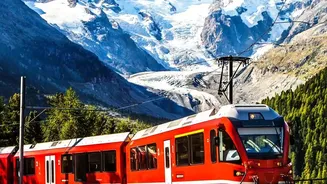
There is a growing recognition at the policy level of the railway's role in promoting sustainable tourism. Initiatives like 'Dekho Apna Desh 2.0' aim to divert tourist traffic from overcrowded hubs to lesser-known, yet tourism-ready, destinations. Indian Railways is a key partner in this vision. Special tourist circuits and theme-based trains, such as the Bharat Gaurav trains and the Manaskhand Express in Uttarakhand, are being introduced to offer curated, all-inclusive packages to these areas. Furthermore, recent government approvals for new railway lines and the multi-tracking of existing routes are set to improve connectivity to thousands of villages and numerous tourist and pilgrimage sites, including wildlife sanctuaries and archaeological locations. The introduction of Vistadome coaches on scenic routes has also turned the journey itself into a primary attraction, encouraging a slower, more immersive form of travel.
Planning Your Budget Rail Adventure
To make the most of train travel, a little planning goes a long way. Booking tickets well in advance, ideally 60 to 120 days before your travel date, is crucial, especially on popular routes, as seats fill up fast. The official IRCTC website and app are the primary platforms for booking. For maximum savings, consider travelling in Sleeper or 3AC class. While basic, they are perfectly suitable for most journeys and offer a quintessentially Indian travel experience. For very long trips, the comfort of an AC coach might be worth the slightly higher price. By combining the efficiency of a flight to a major hub and then using trains for regional exploration, travellers can create a hybrid itinerary that balances time and cost effectively.