







Why Your Gut Needs Extra Care
The monsoon's high humidity and dampness create an ideal environment for bacteria and viruses to thrive, increasing the risk of waterborne and foodborne infections. According to Ayurveda, this season can also weaken our 'Agni' or digestive fire, making
our stomachs more sensitive. This leads to common issues like bloating, indigestion, acidity, and a general feeling of sluggishness. Consequently, what we eat becomes crucial not just for nourishment, but for maintaining strong immunity and a happy gut.
Embrace Light, Cooked Meals
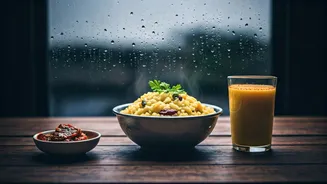
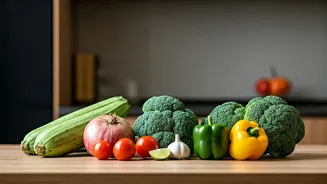
During the rainy season, your digestive system works best with food that is easy to process. Opt for warm, freshly prepared meals over cold or raw items. Think steaming bowls of soup, lightly spiced dals, and khichdi. These foods are gentle on the stomach and help maintain digestive efficiency. Ayurveda suggests avoiding heavy meats and focusing on lighter proteins like moong dal. Raw vegetables and salads, especially from outside sources, should be limited as they can carry a higher risk of microbial contamination. If you do have salads, consider steaming the vegetables first.
Power Up with Probiotics
A healthy gut is filled with beneficial bacteria that aid digestion and bolster immunity, and probiotics are your best friends in this regard. Incorporating probiotic-rich foods into your diet is a simple way to support your gut microbiome. Yoghurt (curd) and buttermilk (chaas) are excellent, easily available sources. They help restore the balance of good bacteria, which can be disrupted during this season. Enjoy a bowl of curd with your lunch or a glass of spiced buttermilk to keep your digestive system running smoothly. Some Ayurvedic texts suggest avoiding curd at night, so it is best consumed during the day.
Boost Immunity with Spices and Herbs
Your kitchen cabinet holds a wealth of immunity-boosting ingredients perfect for the monsoon. Spices like turmeric, ginger, garlic, and black pepper are packed with antimicrobial and anti-inflammatory properties. Turmeric contains curcumin, which supports gut health and fights inflammation. Ginger is excellent for soothing the throat and fighting infections, while garlic is known for its ability to combat colds and flu. Start your day with warm water infused with lemon and honey, or sip on herbal teas made with ginger, tulsi, and cinnamon throughout the day to keep infections at bay.
Choose Seasonal Fruits Wisely
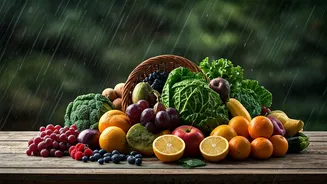
While fruits are essential, it's smart to be selective during the monsoon. Opt for seasonal offerings like pomegranates, apples, pears, and jamun. These fruits are packed with vitamins and antioxidants that help strengthen your immune system. It is advisable to avoid pre-cut fruits sold by street vendors as they are exposed to the humid air for long periods, increasing the risk of contamination. Always wash fruits thoroughly before consumption. Some experts also suggest limiting high-water-content fruits like watermelon, as they can sometimes cause bloating.
The Street Food Dilemma
The craving for hot, crispy samosas and spicy chaat is undeniable when it rains. While indulging occasionally is fine, street food is a primary source of stomach infections during this season. The use of unhygienic water and exposure to flies can lead to serious gastrointestinal issues like diarrhoea and food poisoning. If you're craving your favourite snacks, the safest bet is to prepare them at home. This way, you can control the quality of the ingredients and oil, making for a healthier, guilt-free indulgence that satisfies both taste and gut sense.