


A Return to Cultural Roots
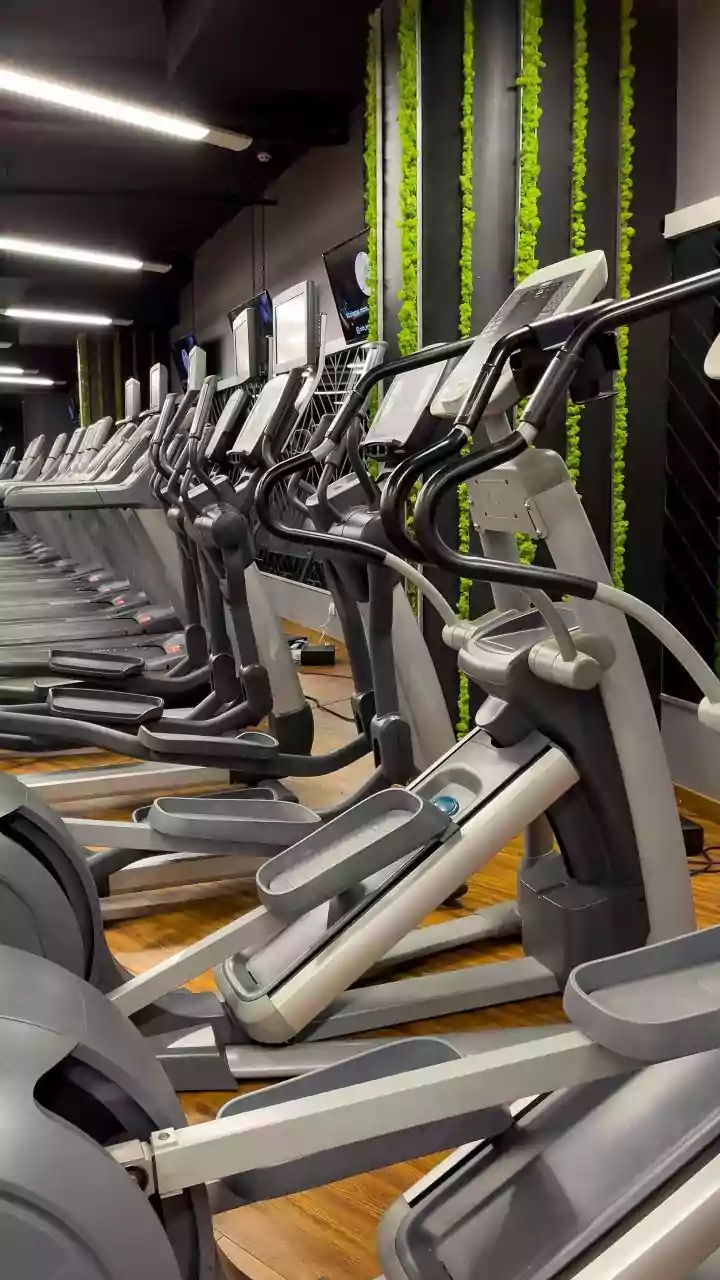
For years, the Indian fitness landscape was dominated by Western models—chrome-plated machines, high-intensity interval training (HIIT), and spin classes. While effective, these often lack a deeper, holistic connection. Today, a growing number of fitness enthusiasts
and entrepreneurs are rediscovering the power of indigenous practices. This revival is more than just a workout trend; it represents a cultural reclamation, a desire for authenticity, and a search for a more integrated approach to wellness that nurtures both body and spirit. Fitness studios are now blending ancient tools and philosophies with modern functional science, creating hybrid models that are both effective and deeply resonant.
The Gada's Modern Swing
The Gada, or heavy mace, once the training tool of legendary warriors and pehlwans (wrestlers), is experiencing a remarkable comeback. Traditionally used in akhadas to build formidable grip, shoulder, and core strength, the Gada's unique off-balance design is now being recognized in modern gyms for its functional benefits. Contemporary fitness brands have rebranded it as the 'steel mace' and integrated it into functional training circuits. Swinging the Gada requires a combination of strength, timing, and full-body coordination, engaging muscles that conventional weightlifting often misses. Studios across urban India now offer Gada and Mudgar (Indian clubs) classes, attracting everyone from professional athletes to desk workers looking to improve posture and rotational power.
Mallakhamb Reimagined
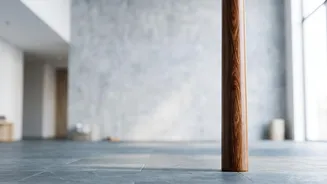
Mallakhamb, which translates to 'wrestler's pole,' is another tradition finding a new lease on life. This ancient sport, which combines elements of gymnastics, yoga, and wrestling on a vertical wooden pole or rope, is a spectacular display of strength, agility, and balance. Once primarily a training aid for wrestlers, it is now being embraced as a unique form of full-body conditioning. In cities, Mallakhamb is being taught not just as a competitive sport but as a form of aerial art and functional fitness, with workshops and classes available for adults, not just children. Its anti-gravity movements build incredible core strength and mental focus, offering a dynamic alternative to static workouts.
Kalaripayattu and the Warrior's Discipline
Hailing from Kerala, Kalaripayattu is one of the oldest martial arts in the world. Its revival extends beyond self-defense; it is now sought after for its fitness benefits and philosophical depth. Kalaripayattu training involves vigorous body conditioning exercises, animal-inspired postures, and weapon-based drills that enhance flexibility, stamina, and concentration. Modern schools and 'gurukulams' in cities like Bangalore and Trivandrum are making this ancient art accessible through regular classes, residential programs, and even corporate workshops focused on building resilience and focus. This practice offers a path to physical prowess while instilling a deep sense of discipline and self-awareness.
Beyond the Physical: A Holistic Philosophy
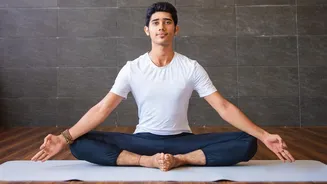
What unites these resurgent practices is their holistic approach. Unlike workouts that isolate muscles, traditional Indian fitness views the body as an integrated system of mind, body, and breath. Training in an akhada, practicing Kalaripayattu, or swinging a Gada is as much a mental discipline as it is a physical one. These methods cultivate focus, respect, and a connection to a rich cultural heritage. They are not just about building bigger muscles but about developing functional strength, resilience, and a balanced state of being that feels more relevant than ever in today's fast-paced world.