


Monsoon Gardening Essentials
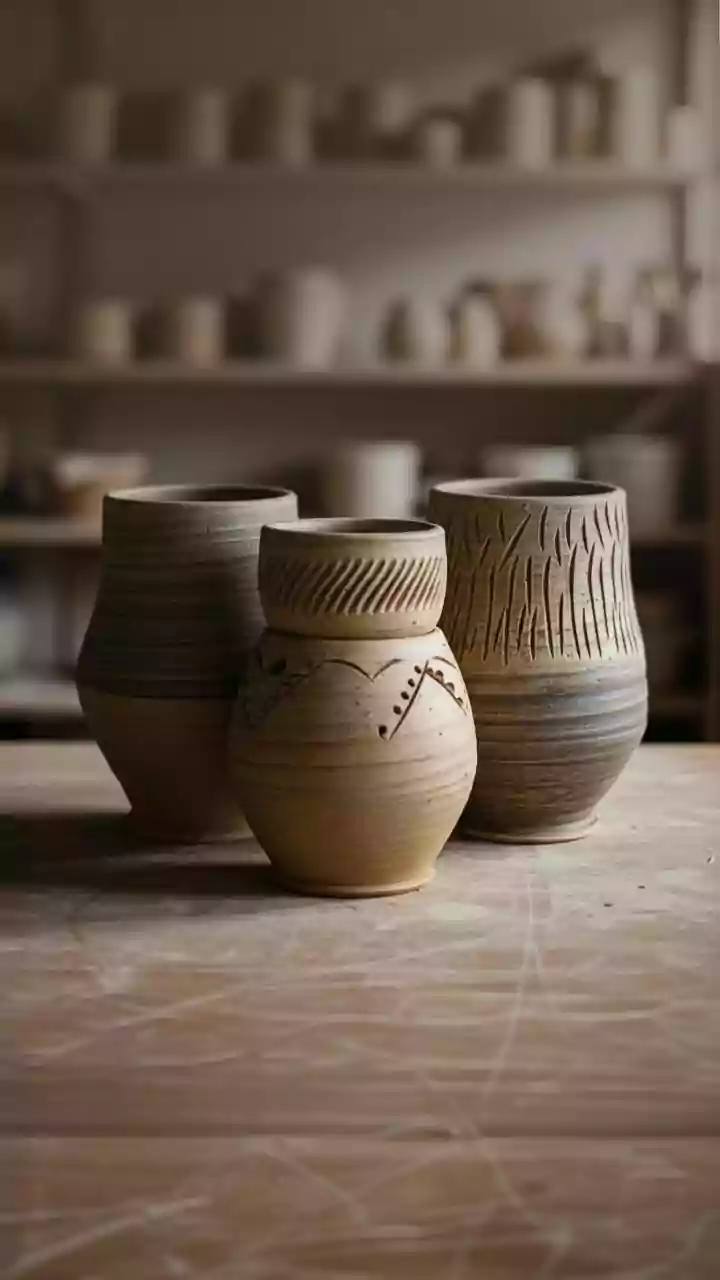
The single biggest challenge for potted plants during the rains is waterlogging. When soil stays saturated, roots can't get oxygen and become vulnerable to rot. The solution starts before you even plant. First, ensure every pot has drainage holes. Over
time, these can get clogged, so it's worth checking them before the season begins. Second, use a light, well-draining soil mix. A combination of garden soil, compost, and coco peat or sand prevents the soil from becoming heavy and compacted by rain. Finally, consider lifting your pots off the floor. Placing them on bricks or simple plant stands allows water to escape freely and prevents them from sitting in puddles after a heavy downpour.
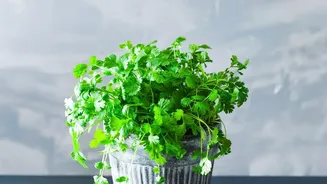
Caring for Basil (Tulsi)
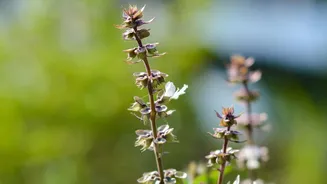
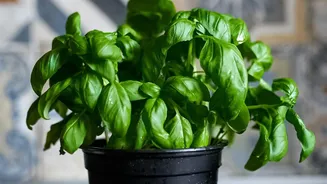
Basil, including the beloved Tulsi, is a staple in many Indian homes but can be sensitive during the monsoon. It loves sunlight but dislikes having constantly wet roots. The key is to find a balance. Position the pot where it gets at least a few hours of sun but is shielded from the heaviest downpours, perhaps under a slight overhang. Overwatering is a major risk; only water when the top inch of the soil feels dry to the touch. High humidity can also encourage fungal diseases. To combat this, ensure good air circulation around the plant and avoid wetting the leaves when you water. If you notice any yellowing leaves or a mushy stem base, it's a sign of too much water.
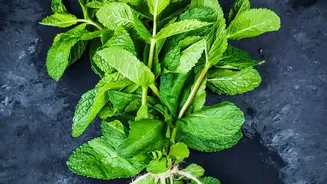
Mastering Mint (Pudina)
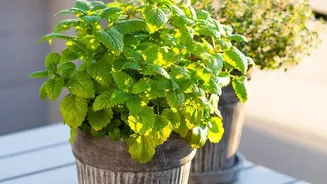
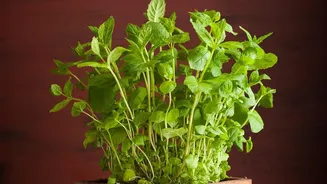
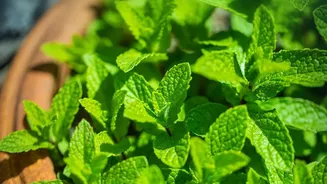
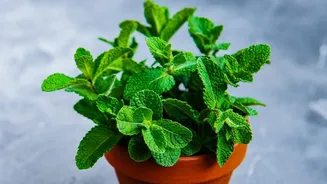
Mint is famously easy to grow and loves moisture, making it a great candidate for the rainy season. However, while it enjoys damp soil, it detests stagnant water. Excellent drainage is non-negotiable to prevent its roots from rotting. Mint is a vigorous spreader, and in a pot, its roots can quickly fill the container. This is a good time to repot or divide the plant to give it fresh soil and more space. Good air circulation is vital for mint to prevent powdery mildew, a common fungal issue in humid weather. Try not to overcrowd your pots and trim them regularly. This not only encourages bushier growth but also helps keep the plant healthy.
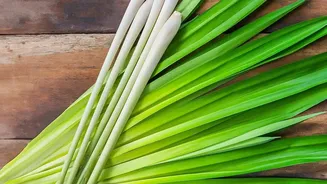
Tending to Lemongrass
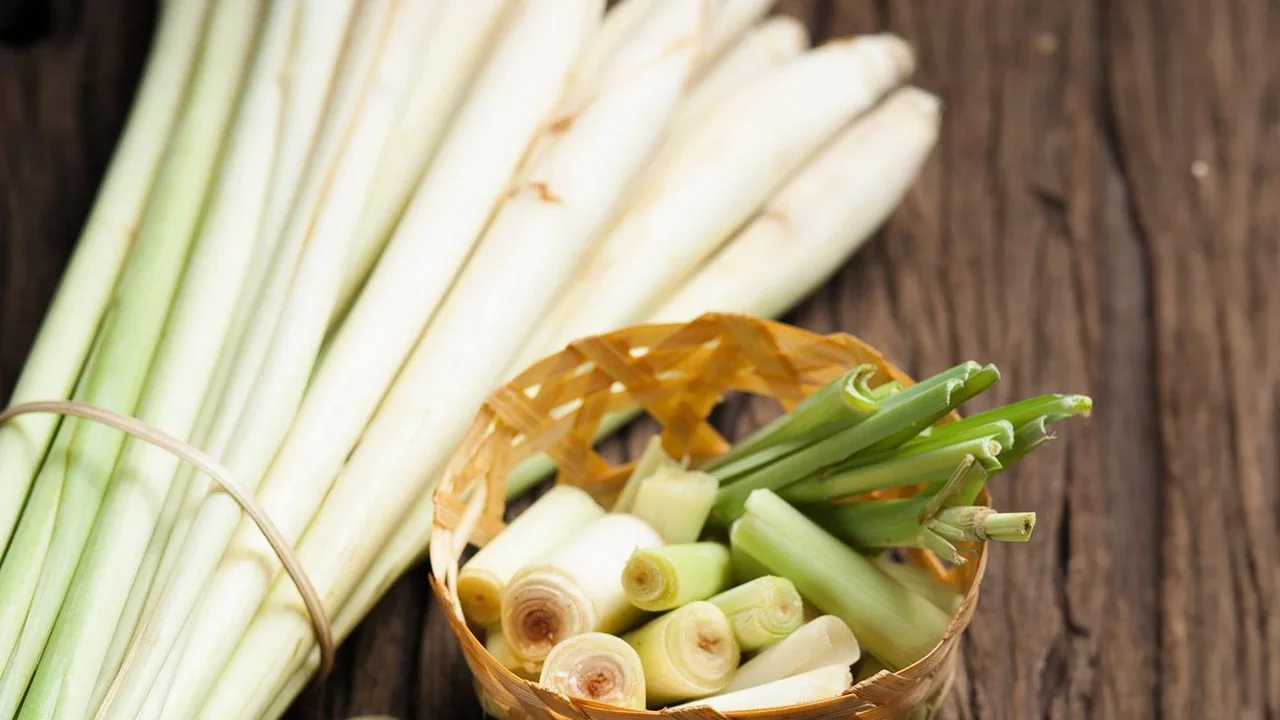
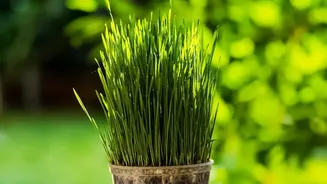
Lemongrass is a hardy, tropical grass that generally thrives in the Indian monsoon. It enjoys regular moisture but, like the others, needs well-drained soil to prevent its roots from sitting in water. Unlike basil and mint, lemongrass needs a larger, deeper pot to accommodate its substantial root system and tall growth. A pot that is too small will cause it to become root-bound and stressed. While it’s tougher than many herbs, prolonged waterlogging can cause the central part of the clump to rot. Ensure it gets plenty of sun, as this powers its growth and the production of its flavourful oils. You can harvest the stalks once the plant is well-established and the stems are about half an inch thick at the base.
Monsoon Pest Patrol
The damp, humid conditions of the monsoon are a breeding ground for pests like slugs, snails, and aphids. You'll often find slugs and snails leaving irregular holes in the leaves of basil and mint. A simple way to deter them is by placing a barrier of crushed eggshells around the base of your plants. Aphids, tiny insects that suck sap from new growth, can also be a problem. A simple spray made from a few drops of liquid soap mixed with water can help manage them. Regularly inspect the undersides of leaves, where pests often hide. Removing fallen leaves and debris from your pots also helps prevent fungal diseases from taking hold.