



The Return of Maximalist Comfort
The interior design world is shifting away from stark, impersonal spaces towards rooms that feel layered, personal, and expressive. This turn towards maximalism isn't about clutter, but curation. It's a desire for our homes to tell a story and reflect
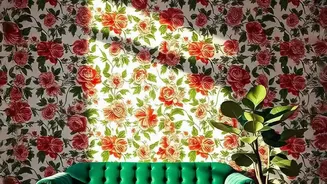
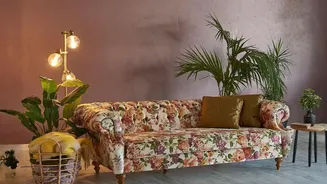
our personalities. At the heart of this trend is the sofa. For 2026, designers are championing sofas with sculptural shapes, curved lines, rich textures like velvet, and deep, saturated colours. Think emerald green, sapphire blue, rich terracotta, or even layered patterns that feel cozy and curated. This revival is a direct response to a collective desire for comfort, individuality, and a touch of drama in our most-used spaces. A bold sofa becomes the centerpiece, a piece of functional art that sets the tone for the entire room.
Why Scale Is the Secret Ingredient
Falling for a gorgeous, oversized sectional in a sprawling showroom is easy. Picturing it in your own living room is where things get complicated. The single most important factor in choosing a statement sofa is not its colour or shape, but its scale in relation to your room. Scale refers to how the size of the sofa relates to the size of the room and the other furniture within it. A sofa that is too large can dominate a room, making it feel cramped and blocking pathways. Conversely, a sofa that is too small can feel lost and insignificant, undermining its 'statement' potential. The goal is balance. A general design rule suggests that your sofa should take up roughly two-thirds of the wall it's placed against, leaving enough 'breathing room' on either side.
Measure Twice, Buy Once
Before you even begin browsing, arm yourself with a measuring tape. It's the most crucial step and will save you from potential regret. Start by measuring the length and width of your room. Then, measure the wall where the sofa will live. Don't stop there. Measure all entry points: doorways, stairwells, and hallways your new sofa must pass through. Many dream sofas have been returned because they couldn't make it through the front door. Once you have your room's dimensions, use painter's tape to mark the footprint of a potential sofa on your floor. This simple trick helps you visualize the real-world impact of the sofa's length and depth, and whether you have enough clearance—ideally at least 30 inches—for comfortable traffic flow around it.
Considering Depth and Height
A sofa's dimensions go beyond its length. Seat depth is a critical factor for comfort that is often overlooked. A shallow seat can feel formal and upright, while a very deep seat is perfect for lounging and curling up but can be awkward for shorter guests. Think about how you primarily use your sofa to decide on the right depth for your lifestyle. The height of the sofa's back and arms also affects the room's proportions. In a room with low ceilings, a sofa with a lower back can create an illusion of more space. Taller, bulkier arms can make a sofa feel heavier, while thin arms or an armless design can feel lighter and more modern. It is all about creating harmony between the piece and the architecture of the space.
Balancing Boldness with Harmony
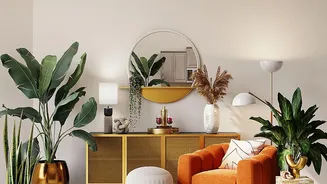
A statement sofa is designed to be the star, but it still needs a supporting cast. To ensure your bold choice doesn't overwhelm the room, balance it with more neutral elements. If you choose a sofa in a vibrant jewel tone, consider painting the walls a soft, complementary neutral to let the sofa's colour pop. You can then echo the sofa’s colour in small doses throughout the room—in a piece of art, a throw pillow, or a vase—to create a cohesive look. Texture also plays a role. If you have a plush velvet sofa, contrast it with a smooth leather armchair, a chunky knit throw, or a flatweave rug. This mix of materials adds visual interest and depth, making the room feel thoughtfully designed rather than chaotic.