


More Than Just Convenience
The concept of cooking a complete meal in a single vessel is hardly new; it's a practice deeply woven into India's culinary fabric for centuries. Long before it became a trendy life-hack, dishes combining grains, lentils, and vegetables were a practical
and nourishing staple in homes across the country. This method wasn't just about saving time or firewood, though it did both efficiently. It was about creating a balanced, flavourful meal where ingredients meld together, enhancing each other's nutritional value and taste. This tradition represents a philosophy of simple, resourceful, and holistic cooking that feels more relevant today than ever.
Khichdi: The Original Comfort Food
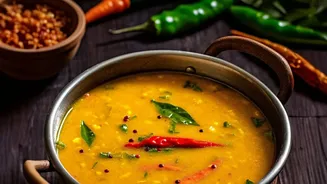
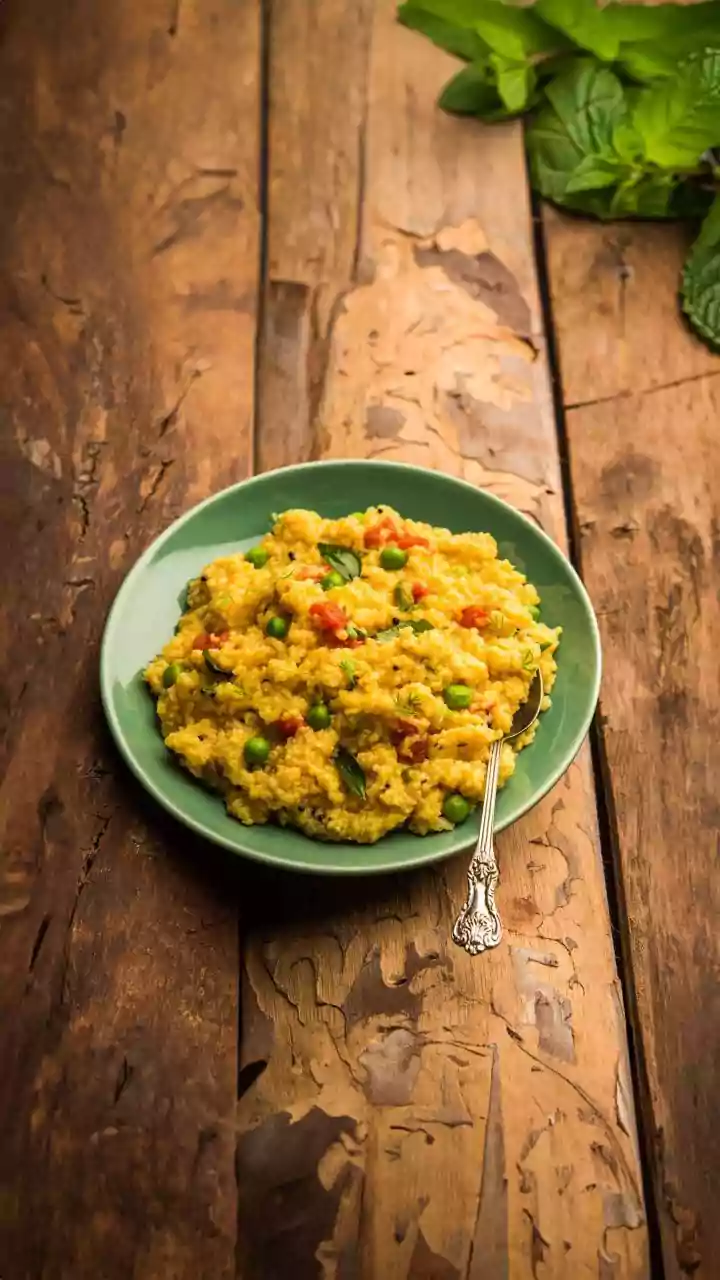
At the heart of India's one-pot tradition is Khichdi, a dish with roots stretching back to Vedic literature. Derived from the Sanskrit word 'khiccā', this combination of rice and lentils is often celebrated as one of the most ancient and enduring foods in the country. Its reputation is multifaceted: it is the first solid food for babies, a restorative meal for those under the weather, and the ultimate comfort food for almost everyone else. The simple base of rice and moong dal is a powerhouse of balanced protein and carbohydrates, making it easy to digest. Its true genius, however, lies in its versatility. From the simple 'phiki' khichdi to savoury masala versions loaded with vegetables, its variations are endless. The popular saying 'Khichdi ke chaar yaar—dahi, papad, ghee aur achaar' (Khichdi has four friends—curd, papadum, ghee, and pickle) perfectly captures its central role on the Indian plate.
A National Treasury of One-Pot Wonders
While Khichdi is universally beloved, it is just one star in a vast constellation of regional one-pot dishes. In Karnataka, Bisi Bele Bath, which translates to 'hot lentil rice', is a flavourful medley of rice, dal, vegetables, tamarind, and a special spice powder. From Uttar Pradesh comes Tehri, a fragrant rice dish traditionally made with potatoes and an array of whole spices. Tamil Nadu has its beloved Pongal, both sweet and savoury versions, while Gujarat and Rajasthan share Dal Dhokli, where wheat flour dumplings are simmered in a spiced lentil stew. These dishes showcase how different regions have adapted the one-pot concept using local ingredients and flavour profiles, creating a rich tapestry of efficient and delicious meals.
The Modern Appeal for a Hectic Life
The resurgence of these traditional meals is driven by their perfect alignment with modern needs. For busy professionals and young families, they offer a nutritious, home-cooked meal without the hassle of elaborate preparation and a sink full of dishes. This simplicity reduces stress and makes cooking feel therapeutic rather than a chore. Financially, these meals are budget-friendly, making the most of pantry staples. Environmentally, using a single pot consumes less fuel and water, making it a sustainable choice. As more people focus on mindful eating and wellness, these balanced, easily digestible meals provide a natural solution for a healthy diet. The rise of modern appliances like pressure cookers and Instant Pots has made preparing these dishes even faster and more convenient.
Bringing the Tradition to Your Table
Embracing one-pot cooking is simpler than it seems. Start with a classic Masala Khichdi. The key is to build flavour in layers: begin by tempering spices like cumin seeds and asafoetida in ghee, then sauté onions, ginger, and garlic before adding soaked rice, dal, and vegetables. A 1:1 ratio of rice to dal is a good starting point, but you can adjust it to your preference. Don't be afraid to add whatever vegetables you have on hand, like peas, carrots, or potatoes. The final 'tadka' or tempering of spices in hot ghee, poured over the cooked dish just before serving, can elevate it from simple to sublime. Exploring regional variations like Tehri or Bisi Bele Bath can further expand your one-pot repertoire, offering a new world of flavours with the same comforting ease.