


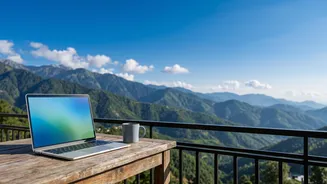


Why Bir Billing Is Capturing the Digital Nomad's Heart
Known globally as India’s paragliding capital, Bir Billing has quietly transformed into a haven for digital nomads. The shift happened gradually, as travellers who came for adventure discovered a pace of life that was hard to leave. Unlike many commercialised
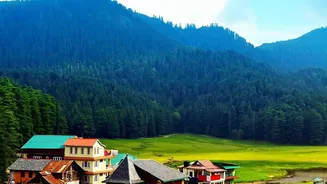
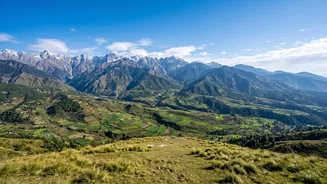
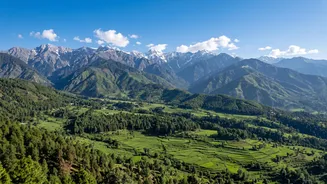
hill stations, Bir has retained its authentic, calm personality. The town is a mix of Tibetan culture and Himachali village life, offering a unique backdrop for a productive work routine. Mornings are slow, the air is clean, and the towering Dhauladhar range provides a constant source of inspiration, making work feel less like a chore and more like a passion project.
Connectivity: The 'Fast Wi-Fi' Promise
For any techie or remote worker, the most critical question is about internet speed. The headline’s promise of “fast Wi-Fi” holds true. Bir has seen significant upgrades in its digital infrastructure, with fibre optic internet from providers like Jio and Airtel now widely available. Many hostels, guesthouses, and cafes offer reliable connections with speeds reaching 100-200 Mbps, which is more than enough for video calls, large file transfers, and seamless cloud-based work. Popular cafes like June 16 Cafe, Northern Cafe, and Silver Linings are known for being work-friendly, offering not just good coffee and food, but also stable Wi-Fi and power backup.
Finding Your Mountain Abode: Accommodation and Costs
Bir caters to a wide range of budgets for long-term stays. The rise of workations has led to a boom in hostels and co-living spaces designed for remote workers. Places like Flashpackers and SOWA Stays offer monthly packages that include accommodation, Wi-Fi, and sometimes meals, creating a community of like-minded professionals. A dorm bed can cost as little as ₹8,000 a month, while a private room in a guesthouse or co-living space might range from ₹15,000 to ₹25,000. Add another ₹5,000 to ₹8,000 for food, and a month-long workation in Bir becomes an affordable dream. Many stays offer weekly and monthly discounts, making it cheaper than a typical tourist visit.
Life Beyond the Laptop: Adventure and Serenity
The true appeal of a workation in Bir lies in what you can do after you shut your laptop. The paragliding landing site is the town’s social hub, where you can watch gliders descend against a backdrop of spectacular sunsets. For the adventurous, there are numerous hiking trails, including the trek to Rajgundha valley or nearby waterfalls like Gunehar. The area is dotted with beautiful and peaceful monasteries such as Chokling and Sherabling, offering a space for meditation and quiet contemplation. You can also explore the Bir Tea Factory, go mountain biking, or simply wander through the Tibetan Colony and its surrounding villages.
Crafting Your Perfect Workation
To make the most of a workation, it's best to treat it as temporary living, not a vacation. Plan for a stay of at least a few weeks to settle into a productive rhythm. The best time to visit for work is from March to June and October to November, when the weather is pleasant and ideal for both work and outdoor activities. The monsoon season (July to September), while slushy, offers a different kind of beauty, with lush green landscapes and fewer crowds, making it perfect for those seeking deep focus and solitude. Many places offer special monsoon discounts on long stays.