


Vrat-Approved Flours and Grains
Regular grains like wheat and rice are avoided during Navratri fasting. Instead, the kitchen pantry relies on 'vrat-friendly' or pseudo-grains. Stock up on Kuttu ka Atta (buckwheat flour), Singhare ka Atta (water chestnut flour), and Rajgira ka Atta (amaranth
flour). These gluten-free flours are perfect for making puris, parathas, cheelas (pancakes), and pakoras. Another essential is Samak ke Chawal (barnyard millet), a wonderful substitute for rice that can be used to prepare pulao and khichdi. These alternatives are not only permissible but are also packed with nutrients, providing sustained energy.
The Power of Sabudana
No Navratri kitchen is complete without Sabudana (tapioca or sago pearls). This versatile ingredient is a fasting staple for a reason. It's used to create some of the most beloved vrat dishes, including the comforting Sabudana Khichdi, crispy Sabudana Vada, and sweet Sabudana Kheer. Sabudana is rich in carbohydrates, providing a quick energy boost during fasts. A pro tip for perfect, non-sticky khichdi is to soak the pearls for just the right amount of time—typically 4-6 hours or overnight—and drain any excess water completely before cooking.
Essential Spices and Seasonings
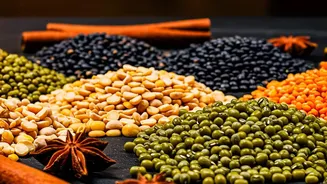
The spice box undergoes a significant change during Navratri. Regular table salt is replaced with Sendha Namak (rock salt), which is the only salt permitted for vrat cooking. Other spices that are generally allowed include Jeera (cumin), Kali Mirch (black pepper), Laung (cloves), and Elaichi (cardamom). Fresh ingredients like green chillies, ginger, and fresh coriander are also widely used to add flavour. Spices like turmeric, asafoetida (hing), and garam masala are typically avoided.
Fresh Fruits and Vegetables
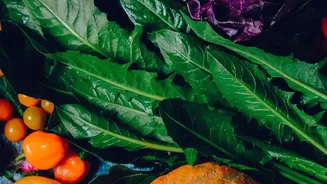
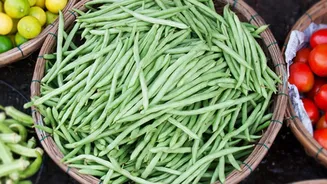
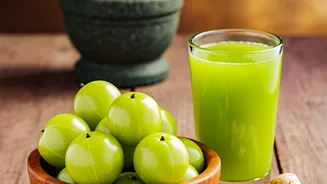
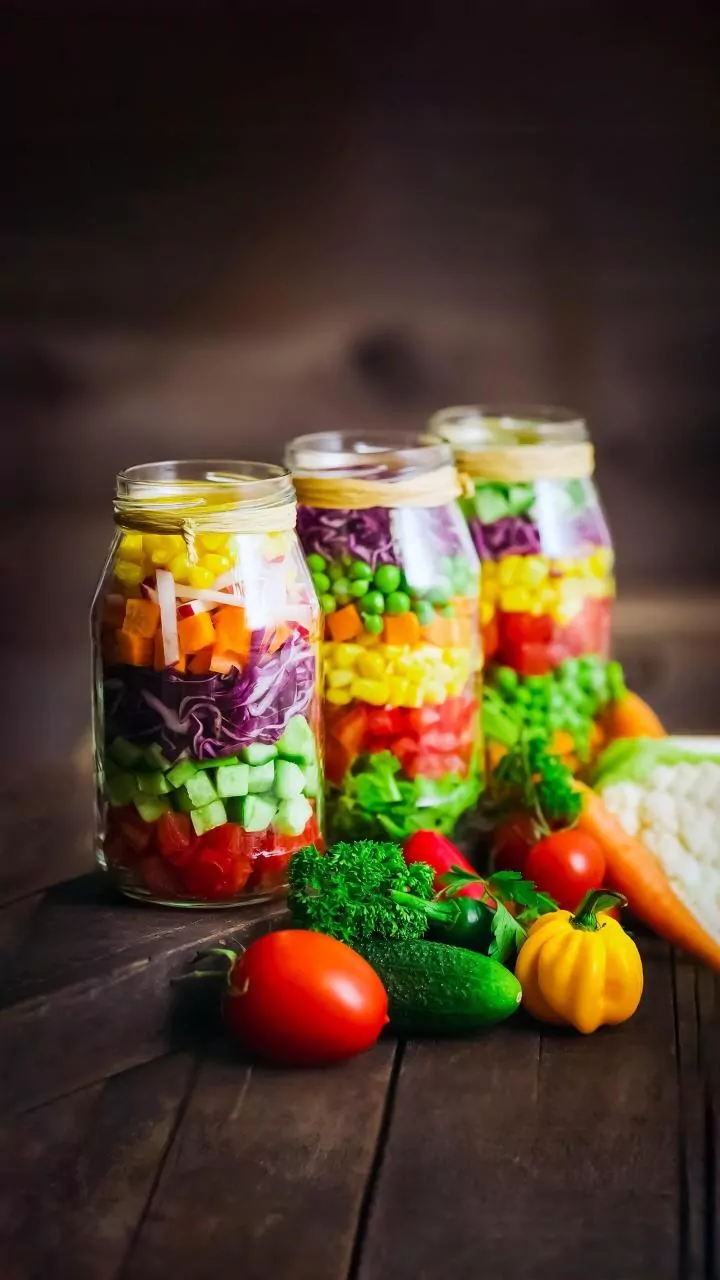
Fruits are a cornerstone of the Navratri diet, with all varieties being permitted. They provide natural sugars, hydration, and vital nutrients. Keep a healthy supply of bananas, apples, pomegranates, and oranges. When it comes to vegetables, the list is more specific. Root vegetables are a safe bet. Stock up on Aloo (potatoes), Shakarkandi (sweet potato), Arbi (colocasia), and Jimikand (yam). Other allowed vegetables include pumpkin, cucumber, and bottle gourd (lauki). These can be used to make simple sabzis, soups, and raitas.
Dairy and Healthy Fats
Dairy products are highly recommended during Navratri as they provide essential proteins, calcium, and fats. Ensure you have a good supply of milk, Dahi (yogurt), and Paneer (cottage cheese). Ghee (clarified butter) is the preferred cooking medium for vrat recipes, lending a rich flavour and aroma to dishes. It is considered a 'sattvic' or pure food, aligning with the principles of fasting. These ingredients help in making meals that are both filling and nourishing.
Nuts, Seeds, and Sweeteners
To keep energy levels up, nuts and seeds are perfect for snacking or as an addition to meals. Stock up on peanuts, almonds, walnuts, and Makhana (fox nuts). Makhana can be roasted for a light snack or used to make a delicious kheer. For sweeteners, you can use sugar, jaggery, or honey to prepare desserts like halwa and kheer. These provide healthier alternatives to refined sugars and add a traditional touch to your festive sweets.