



The Science of Stickiness
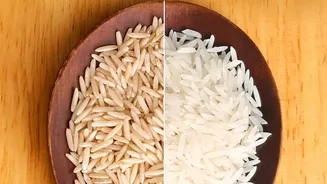
The texture of cooked rice all comes down to its starch composition. Rice contains two types of starch: amylose and amylopectin. Long-grain varieties like Basmati are high in amylose, a long, straight molecule that doesn't gelatinise during cooking, resulting
in separate, fluffy grains. In contrast, short and medium-grain rice varieties are high in amylopectin, a highly branched starch molecule that is responsible for making rice gelatinous and sticky when cooked. The higher the amylopectin content, the stickier the rice. So, that creamy, clumpy, or sticky texture isn't a cooking mistake; it's a feature of the rice's fundamental chemistry, deliberately chosen for specific culinary purposes.
Comfort in a Clump
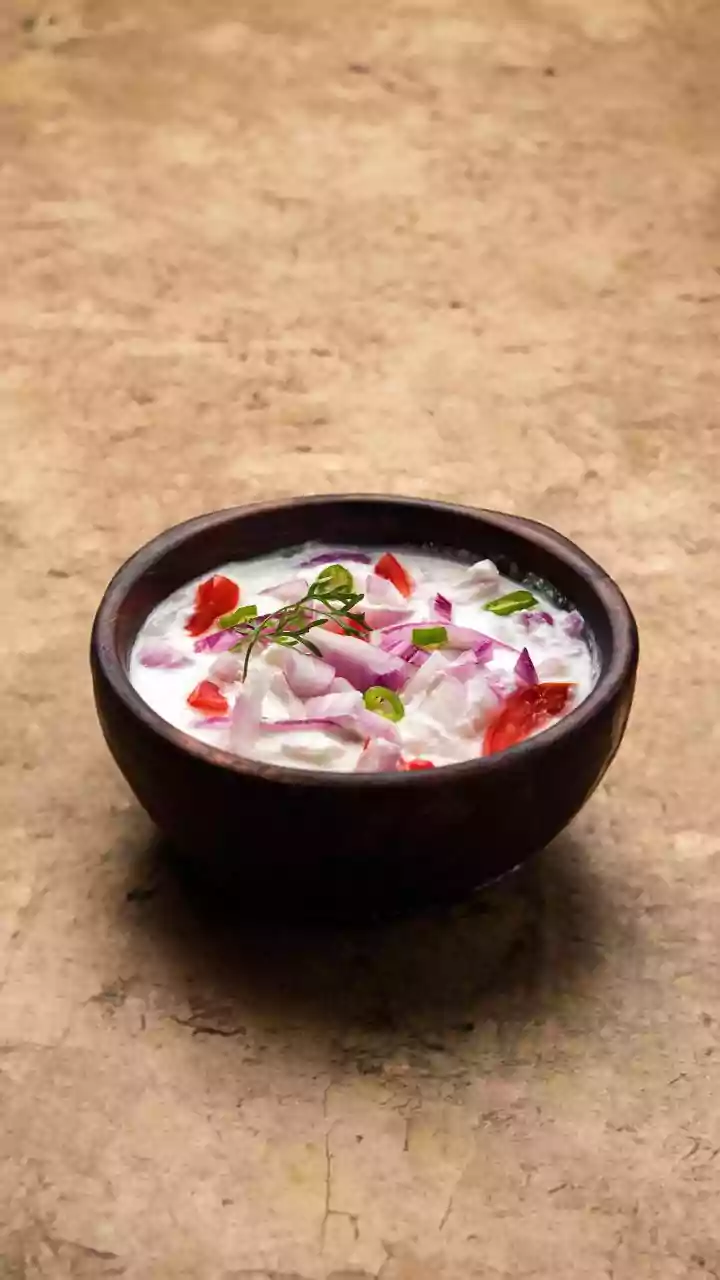
While biryani and pulao demand separate grains, many beloved Indian dishes celebrate a softer, stickier texture. Think of the comforting embrace of a warm bowl of khichdi, where rice and lentils meld together. Consider South Indian staples like curd rice or Sambar Sadham, where softer rice is essential for absorbing the flavours of the gravy. In Maharashtra, short-grain, aromatic Indrayani rice is prized for its soft, sticky quality, perfect for simple steamed preparations. In West Bengal, the celebrated Gobindobhog rice, a short-grain, aromatic variety, is the star of festive dishes like payesh (rice pudding) and khichuri. Its buttery flavour and tender texture are indispensable to the region's cuisine. These dishes show that within India, the definition of 'good rice' is beautifully diverse.
A World of Delicious Stickiness
Globally, sticky rice is the hero of many iconic dishes. Italy's famous risotto relies on the high amylopectin content of short-grain rice like Arborio or Carnaroli. During cooking, constant stirring rubs the starch off the grains, which then dissolves into the broth to create the dish's signature creamy consistency without needing a lot of cream. In Japan, sushi would be impossible without short-grain rice that has enough stickiness to hold its shape. Japanese cuisine also uses mochigome, a type of glutinous rice, to make mochi rice cakes. Across Southeast Asia, from Thailand's famous mango sticky rice to China's savoury zongzi (glutinous rice dumplings), sticky rice is a staple for both desserts and main courses. These dishes simply wouldn't work with long-grain, non-sticky rice.
The Right Rice for the Right Dish
Ultimately, no single rice texture is universally 'better' than another. The key is using the right type of rice for the intended dish. You wouldn't use fluffy Basmati to make a creamy risotto, just as you wouldn't use starchy Arborio for a biryani where every grain should be distinct. Each variety, whether it's the long-grain Basmati, medium-grain Sona Masoori popular in South India, or short-grain Gobindobhog from Bengal, has its own purpose. Appreciating this diversity is about understanding that texture is a tool. The stickiness of glutinous rice allows it to be shaped into cakes or eaten in clumps with savoury meats, while the fluffiness of Basmati makes it the perfect bed for a rich curry. Judging every variety by the standards of just one is like saying a hammer is useless because it can't turn a screw.