




What is Yoga Nidra?
Yoga Nidra, which translates from Sanskrit to 'yogic sleep', is a powerful meditation technique practiced lying down in a comfortable position, often called Shavasana (corpse pose). It is not about falling asleep, but about entering a state of conscious
relaxation that hovers between wakefulness and sleep. A guide's voice leads you through a structured sequence of instructions, helping your mind and body to relax completely while your awareness remains present. Unlike many forms of meditation that require focused concentration, Yoga Nidra is a state of 'non-doing'. It's an effortless practice accessible to almost everyone, regardless of age or physical fitness, as it requires no movement.
Soothing a Heavy, Overactive Mind
Our minds are often cluttered with endless to-do lists, worries, and digital noise. Yoga Nidra offers a direct path to mental tranquility. The practice guides the brain to transition from the active beta brainwaves of our normal waking state to the calmer alpha and theta waves associated with deep relaxation. This process helps quiet the incessant mental chatter. Studies have shown that Yoga Nidra can be highly effective in reducing symptoms of anxiety and stress, sometimes even more so than traditional meditation. By allowing the mind to enter a receptive and calm state, it helps process emotions gently and can lead to improved mood, focus, and emotional resilience over time.
Releasing Tired, Tense Muscles
Physical exhaustion and muscle tension often go hand-in-hand with mental fatigue. Yoga Nidra systematically addresses this by triggering the body's relaxation response. The practice involves a 'rotation of consciousness', where you are guided to bring awareness to different parts of your body, one by one. This process encourages deep muscular release without any physical effort. By activating the parasympathetic nervous system—our 'rest and digest' mode—the practice helps to counteract the effects of the 'fight or flight' stress response. This can lead to a reduction in chronic pain, tension headaches, and overall physical tightness as the body is given permission to soften and let go.
How to Begin Your Practice
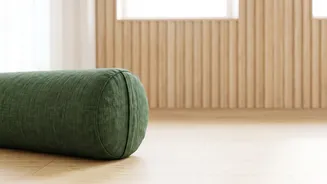
Starting with Yoga Nidra is simple. All you need is a quiet space where you won't be disturbed for 20-40 minutes and a comfortable surface to lie on. You can use a yoga mat, your bed, or a carpeted floor. Consider using a thin pillow under your head and a blanket to stay warm, as your body temperature may drop during deep relaxation. The key to the practice is following the verbal cues. Since it is entirely guided, it is especially beginner-friendly. You can find countless free, high-quality guided Yoga Nidra sessions online on platforms like YouTube and various meditation apps. Simply search for 'guided Yoga Nidra for beginners' to find a voice and pace that feels right for you.
Setting Yourself Up for Success
To get the most out of your practice, the main instruction is to remain awake and aware, gently following the instructions. However, if you fall asleep, don't worry. It's a common experience, especially for beginners, and often a sign of how much rest your body needs. Simply return to the guidance when you become aware again. The goal is not to try too hard but to allow the relaxation to happen. The structure of the practice, which often includes setting an intention (sankalpa), a body scan, and breath awareness, is designed to hold your attention and draw you into a state of profound, conscious rest.