






The New Beauty Heartland
For years, the narrative of India's beauty market was dominated by its metropolitan hubs. But today, the most dramatic growth story is unfolding in Tier-2 and Tier-3 cities. E-commerce giants are reporting that a majority of their new customers and a significant
chunk of their growth are coming from places like Gorakhpur, Guntur, Sangli, and Thrissur. One major platform, Flipkart, noted that two out of every three beauty searches now originate from non-metro India, powering a 50% year-on-year growth in its beauty and personal care category. Even the premium beauty segment, once considered a metro-exclusive phenomenon, sees over half its demand coming from these new engines of consumption, according to Amazon India. This isn't just a trend; it's a fundamental market realignment.
The Digital Beauty Counter
This shift would be impossible without the smartphone. E-commerce and quick-commerce platforms have effectively demolished the distribution barriers that once kept niche, premium, or trending products out of smaller towns. Now, a consumer in a small city in Kerala or Punjab has access to the same global brands, like La Roche-Posay or Korean beauty labels, as someone in Mumbai or Delhi. Platforms like Amazon, Nykaa, and Myntra have become virtual beauty supermalls, while quick-commerce apps deliver products in hours, not days, feeding a newfound appetite for instant gratification. This digital access has turned the entire country into a single, unified market, allowing brands to reach previously inaccessible customers with unprecedented ease.
From Awareness to Aspiration
Access alone doesn't create demand. The real driver is a potent mix of growing awareness and rising aspiration, fuelled by social media. Platforms like Instagram and YouTube have become the new beauty classrooms, democratising knowledge about ingredients, routines, and trends. Shoppers are no longer just buying a fairness cream; they're searching for Vitamin C serums, hyaluronic acid, and sunscreens, often influenced by creators and dermatologists online. This new consumer, especially the digitally-native Gen Z, is more evolved and informed. They are value-conscious but willing to spend on products that deliver results, whether it's a D2C brand like Mamaearth or a premium international label.
How Brands Are Responding
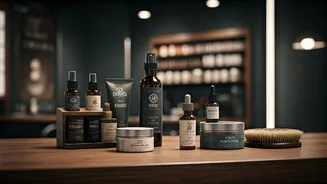
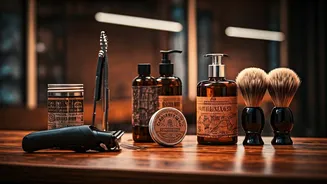
The industry is scrambling to keep up. Direct-to-consumer (D2C) brands were the first to recognize this opportunity, building their businesses around serving this online, non-metro audience. However, legacy and premium players are now aggressively chasing this market, too. The strategy is twofold. First, an online push, with brands leveraging influencers—often regional creators, not just national celebrities—to build trust and drive sales. Second, a renewed focus on offline expansion. Having established a digital connection, many brands are now opening physical stores in Tier-2 and Tier-3 cities to provide a tangible brand experience and build deeper loyalty. Even the men's grooming category, long an afterthought, is exploding, with searches for men's face wash and serums growing exponentially.