
The Two Types of Iron in Your Diet
Before unlocking the secret, it’s important to know that dietary iron comes in two forms: heme and non-heme. Heme iron is found exclusively in animal products like meat, poultry, and seafood. Your body absorbs this type quite efficiently, taking in up
to 30 or 40 percent of the heme iron you consume. Non-heme iron, on the other hand, is found in plant-based foods like beans, lentils, spinach, nuts, and fortified grains. While abundant and essential, especially for vegetarians, non-heme iron is not as easily absorbed by the body, with absorption rates sometimes as low as 2 to 10 percent. This is where its famous partner comes into play.
How Vitamin C Unlocks Iron's Power
Vitamin C, or ascorbic acid, is the key that unlocks the full potential of non-heme iron. When you eat plant-based iron sources, the iron is in a form (ferric Fe³⁺) that your intestines struggle to absorb. Vitamin C works its magic by converting this iron into a more accessible form (ferrous Fe²⁺) that your body can readily use. It essentially captures the non-heme iron and keeps it soluble as it moves through your digestive system, preventing it from binding with other compounds that can inhibit absorption. Studies have shown that adding even a small amount of vitamin C to a meal can significantly increase non-heme iron absorption, making it a crucial strategy for anyone relying on plant-based diets or looking to boost their overall iron status.
Top Vitamin C Foods to Add to Your Plate
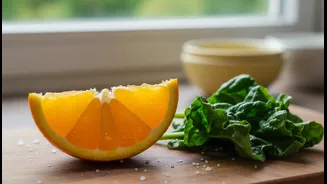
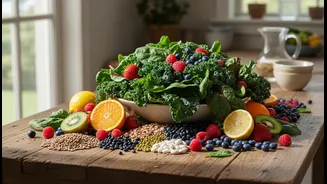
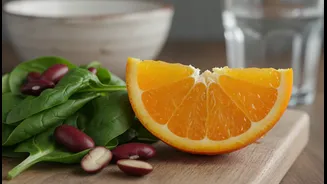
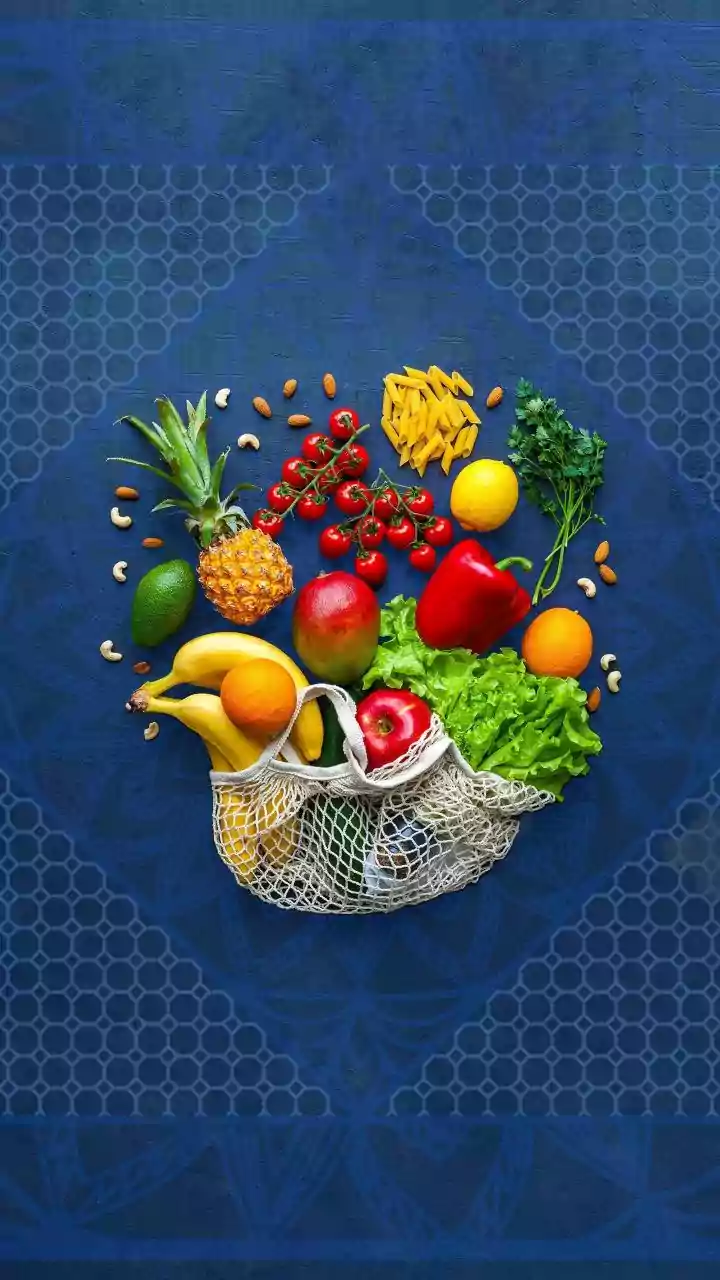
Boosting your vitamin C intake is both easy and delicious. You don't need supplements to make this pairing work; whole foods are packed with this essential nutrient. Some of the best sources include citrus fruits like oranges and grapefruit, but many other fruits and vegetables are also powerhouses. Think strawberries, kiwi, and melons. In the vegetable aisle, look for red and green bell peppers, broccoli, tomatoes, cabbage, and leafy greens. Even potatoes contain a decent amount of vitamin C. Incorporating these foods into your meals provides the ascorbic acid needed to maximize iron uptake.
Where to Find Plant-Based Iron
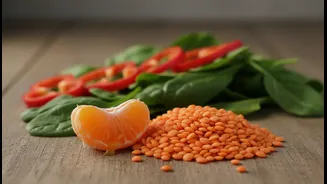
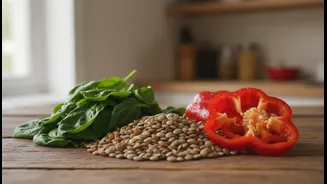
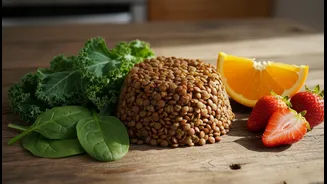
Now that you know how to boost its absorption, let's focus on the iron sources themselves. Non-heme iron is plentiful in the plant kingdom. Legumes are a fantastic source, including lentils, chickpeas, black beans, kidney beans, and soybeans (and tofu). Dark leafy greens like spinach and kale are famously rich in iron. You can also find it in nuts and seeds, such as cashews, and in many whole grains and fortified breakfast cereals, breads, and rice. These foods form the foundation of an iron-rich, plant-forward diet.
Simple Meal Ideas for Better Absorption
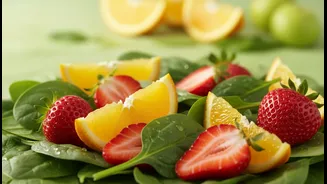
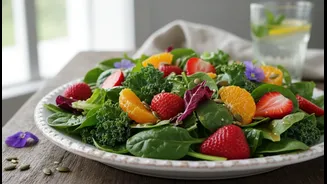
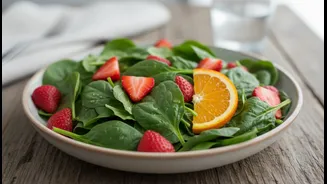
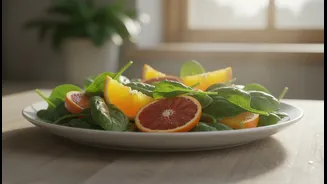
Putting this nutritional synergy into practice is simple. The goal is to combine a non-heme iron source with a vitamin C source in the same meal. For breakfast, try a bowl of iron-fortified oatmeal topped with fresh strawberries. For lunch, a spinach salad loaded with chickpeas becomes far more effective with the addition of bell pepper strips and a lemon-juice-based vinaigrette. A hearty lentil soup or a bean burrito can be paired with a side of citrus fruit or have tomato sauce integrated directly into the recipe. A stir-fry with tofu or beans and broccoli is another excellent combination. Even just squeezing a wedge of lime over a plate of beans and rice can make a noticeable difference in how much iron your body can use.