



The Anatomy of a Slouch
To understand the connection to your knees, we first need to look at what 'slouching' really is. When you slump in your chair, you’re not just curving your upper back. The most significant change happens at your pelvis. Instead of sitting upright on your 'sit
bones', you roll back, causing your pelvis to tilt backward. This is known as a posterior pelvic tilt. This tilt flattens the natural curve of your lower back and forces your entire upper body into a C-shape. This posture might feel relaxed, but it sets off a chain reaction down your legs. This seemingly harmless habit causes tight hamstrings and abdominal muscles, while weakening your core, glutes, and hip flexors, creating a muscular imbalance that your body has to compensate for.
A Kinetic Chain Reaction
Your body operates as a 'kinetic chain', where one misaligned part affects everything else. When your pelvis tilts backward from slouching, it changes the position of your femur (thigh bone). This pelvic shift can cause the femur to rotate slightly inward. Your lower leg bone, the tibia, must then adjust to this new alignment. This subtle but constant misalignment disrupts the normal mechanics of your knee joint, which is designed to function as a smooth hinge. Instead of forces being distributed evenly across the joint when you stand up, walk, or even just shift in your seat, the load becomes concentrated on specific parts of the knee that aren't designed to handle it. Over time, this forces the knee to overcompensate for the lack of stability from the hips and core.
How Your Knees Pay the Price
This uneven load distribution is what the headline calls 'harmful weight loads'. The knee is a complex joint involving cartilage, ligaments, and tendons, all of which rely on proper alignment to function without undue stress. When your posture forces misalignment, it increases pressure on the cartilage, the smooth tissue that cushions the ends of your bones. This can accelerate 'mechanical joint wear', which is essentially the process behind degenerative conditions like osteoarthritis. Think of it like driving a car with poorly aligned tires—the tread wears out unevenly and much faster. Similarly, poor posture can lead to chronic inflammation, tendon irritation, and eventually, persistent knee pain that seems to have no direct cause.
Reversing the Damage and Protecting Your Joints
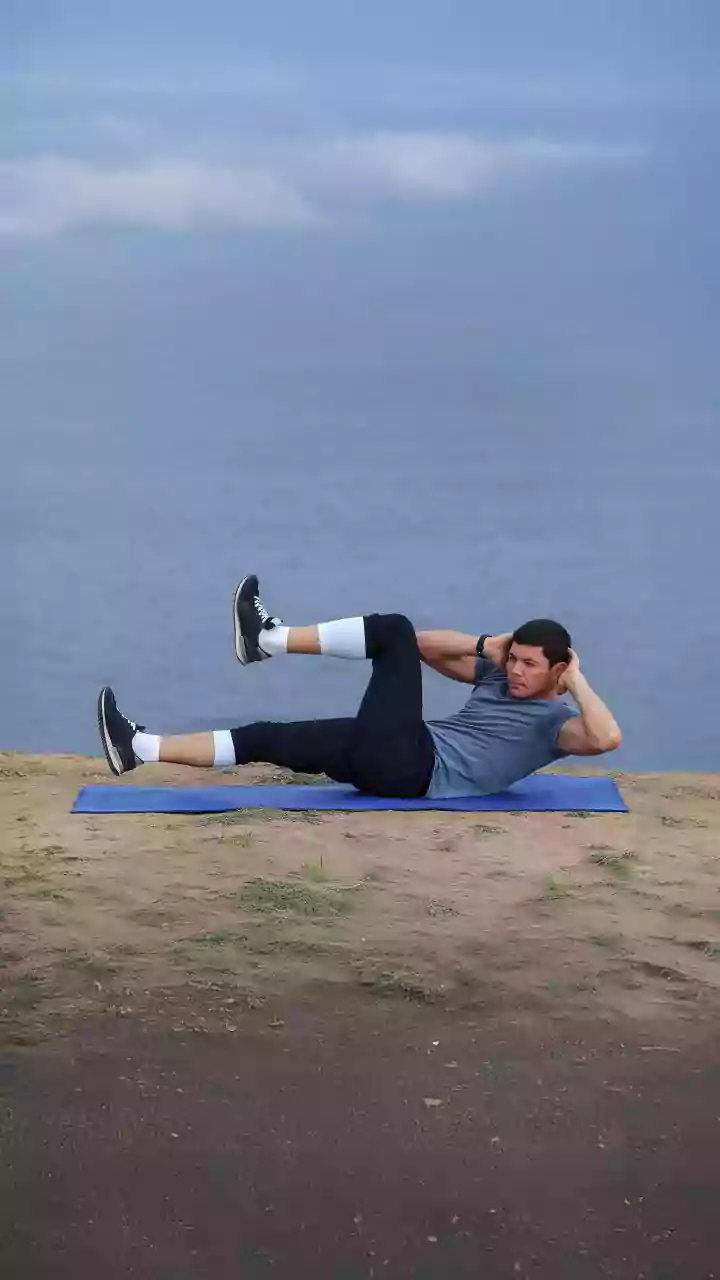
The good news is that you can take immediate steps to counter these effects. The first and most crucial step is to address your sitting posture. Aim to sit with your feet flat on the floor, your knees bent at a 90-degree angle, and at or slightly lower than your hips. Use a chair with good lumbar support to maintain the natural curve of your lower back and prevent your pelvis from tilting backward. Beyond posture, regular movement is key. Get up and walk around at least once an hour to increase blood flow and prevent muscles from tightening. Incorporating simple exercises to strengthen your core, glutes, and hip flexors, while stretching your hamstrings, can help correct the muscle imbalances caused by prolonged sitting and restore proper pelvic alignment.