




So, What is World Kebab Day?
Before we get to the green stuff, let's set the table. World Kebab Day is celebrated globally on the second Friday of July, which falls on July 10th this year. It’s a day dedicated to a dish with a rich history, believed to have originated with medieval
soldiers grilling meat on their swords over open fires. From the Turkish doner to the Persian shish, the kebab has travelled the world, adapting to local tastes. In India, its story is deeply intertwined with the culinary legacy of the Mughal era, which refined the rustic grilled meat into a royal delicacy.
The Great Indian Kebab Was Never Just Meat
Here’s where the narrative gets interesting. While the kebab’s origins are meaty, India’s culinary genius has always been in adaptation. With a large vegetarian population, it was only a matter of time before the kebab was reimagined. In fact, vegetarian kebabs are not a new trend but a celebrated tradition. The iconic Hara Bhara Kebab, a vibrant green patty of spinach and peas, is a 20th-century innovation from Punjab. Even older is the legendary Dahi Ke Kebab, a melt-in-your-mouth creation from Awadhi cuisine, supposedly invented for a toothless Nawab who desired a soft vegetarian delicacy. These dishes prove that in India, the concept of a kebab has always been more about flavour and texture than the ingredient itself.
Why Young India is Redefining Festive Food
Today’s young Indians are at the forefront of another culinary shift. Driven by a blend of health consciousness, environmental concerns, and a renewed pride in local ingredients, a modern plant-based movement is gaining ground. This isn't about abandoning tradition but evolving it. For many, food is an expression of identity, and that identity is increasingly global. We’re exposed to international trends, but we want to make them our own. This generation confidently pairs tradition with modernity, seeking meals that are both nutritious and worthy of a social media post.
Enter the Vegetarian Snack Board
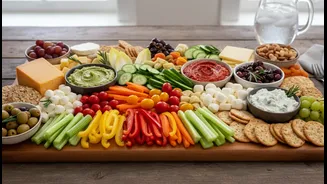
This brings us to the snack board—or charcuterie board, as it's known globally. This trend of arranging a variety of small bites on a single platter has taken urban India by storm. It’s a perfect fit for the modern way of socialising: informal, interactive, and visually stunning. Instead of formal, plated courses, a snack board encourages grazing and conversation. It’s customisable, catering to diverse palates with a mix of colours, textures, and flavours. Now, Indian hosts are giving these boards a 'desi' twist, swapping out imported cheeses and cured meats for local favourites like mini samosas, chakli, regional dips, and, of course, kebabs.
How to Build Your Ultimate Vegetarian Kebab Board
Ready to celebrate World Kebab Day the 2026 way? Building a vegetarian kebab snack board is easier than you think. Start with a variety of kebabs as your stars. Think Hara Bhara Kebabs for colour, Dahi Ke Kebabs for a creamy texture, and maybe some Paneer Tikka skewers for that smoky char. Next, add your dips. A classic mint-coriander chutney is a must, alongside a tangy tamarind chutney or a creamy hung curd dip. To fill the board, add crunchy elements like masala peanuts, roasted makhana (fox nuts), khakhra, or mini papads. Fresh components like cucumber sticks, cherry tomatoes, and pomegranate seeds add freshness and cut through the richness. Arrange everything on a large wooden board or tray, clustering items together and letting them overlap for a look of abundance. The goal isn't perfection; it's a generous, inviting feast.