






The Magic of Live Screenings
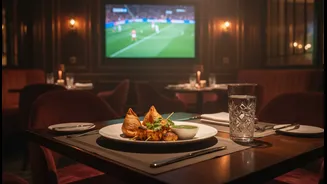
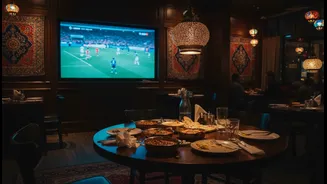
First things first, what does a “live screening” even mean? At its simplest, it’s a restaurant, pub, or cafe showing a live sports match on screens for its patrons. This could range from a couple of well-placed TVs to a massive projector screen that makes
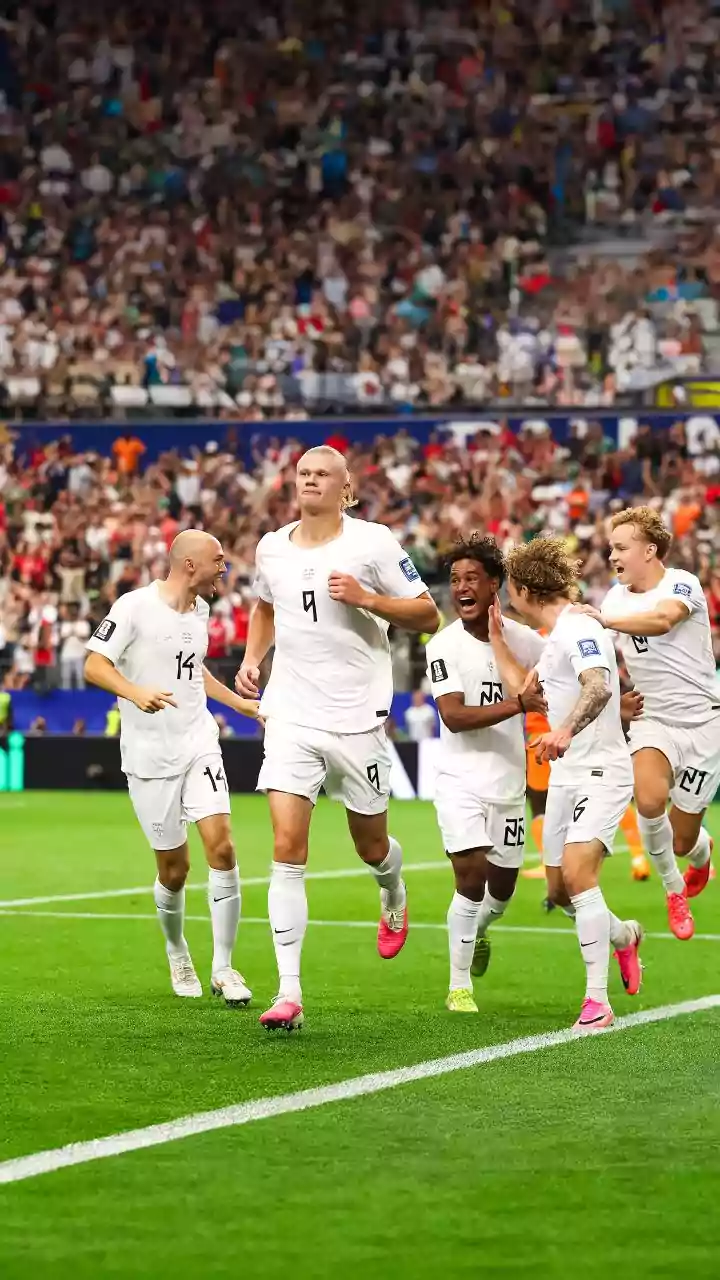
you feel like you're almost at the stadium. The real draw isn’t just the screen size; it’s the atmosphere. The collective gasps, the roar when your team scores, the shared despair of a near-miss—it’s an electric, communal experience that you just can't replicate on your couch. Major events like the ongoing FIFA World Cup transform these venues into buzzing fan zones, bringing people together over a shared passion. Even multiplex cinemas are now getting in on the action, offering a stadium-like feel with high-end sound and visuals for major matches.
Decoding 'Extended Hours'
Many international matches, thanks to time differences, start well past midnight in India. This is where “extended hours” come in. Normally, restaurants have a strict closing time, often around 1 am. For big tournaments, however, local authorities sometimes grant special permissions allowing establishments to stay open later. For instance, during the FIFA World Cup 2026 semi-finals and final, the Karnataka government has allowed Bengaluru restaurants to serve food until 3:30 am on match nights. This is a huge deal, as it requires coordination between restaurant associations, who lobby for the extension, and local police, who need to ensure law and order. These permissions are temporary and specific to certain dates, so a place that’s open late for the World Cup final might not be next weekend. Always check ahead.
Cover Charge vs. Minimum Spend
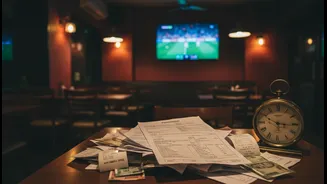
Staying open late costs money—staff overtime, electricity, and security. To manage this, many places introduce a special charge on match nights. It’s important to know the difference between the two main types. A 'cover charge' is an entry fee. Sometimes this is just a fee to get in, but often it’s 'redeemable,' meaning you get coupons or credits of the same value to spend on food and drinks. An 'entry charge', on the other hand, is usually just for access and is not redeemable. The second common model is a 'minimum spend.' This means there's no entry fee, but you're required to spend a certain amount per person. This ensures the restaurant covers its costs. Both systems are designed to ensure that patrons are there to eat and drink, which is fair enough for a business staying open just for the fans.
Navigating Match-Night Menus
Don’t be surprised if your favourite restaurant has a limited menu on a busy match night. This is a deliberate choice to ensure quick service when the kitchen is under pressure. Match-night menus are typically filled with easy-to-eat finger foods, shareable platters, and crowd-pleasers like pizzas, burgers, and biryani bowls. These are dishes that can be prepared quickly and eaten without taking your eyes off the screen for too long. Some restaurants get creative, offering themed dishes or special combos for the season. While you might not be able to order a complex, slow-cooked curry, the focused menu helps the restaurant manage the rush and get food to your table while it's still hot and the match is still on.
Tips for a Great Night Out
A little planning goes a long way. First, book a table. Screenings are popular, and the best spots with good views of the screen get taken fast. Second, arrive early. This not only helps you get a good seat but also allows you to place your first order before the big rush at kick-off. Third, be patient. The staff will be incredibly busy, so a little understanding goes a long way. Finally, check the restaurant’s social media pages or call them before you go. This is the best way to get the most accurate information on timings, cover charges, and special offers for the night. And remember, while you’re there to support your team, do so responsibly and respect the venue's rules and the other patrons.