




The Monsoon's Culinary Echo
The bond between the Indian monsoon and food is visceral and timeless. For generations, the pitter-patter of rain has been the soundtrack to a specific kind of culinary joy. The craving for something hot, fried, and comforting is a near-universal experience
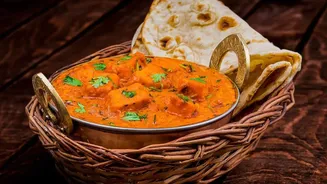
across the country. In North India, this has famously translated to a near-sacred ritual of masala chai paired with an assortment of pakoras, from the classic onion and potato to spinach and paneer. This combination is more than just a snack; it's a sensory anchor, a tradition passed down in homes and perfected by roadside vendors, offering warmth and crunch against the cool, damp weather.
Beyond the Fritter
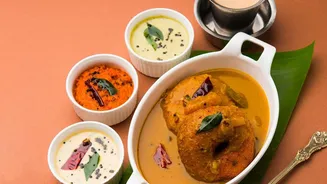
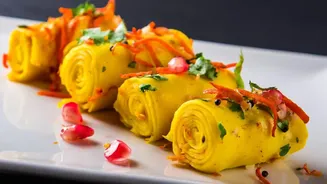
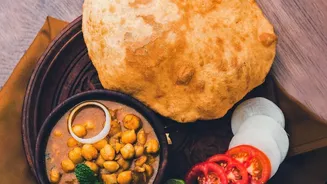
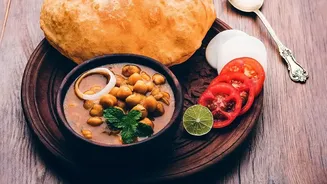
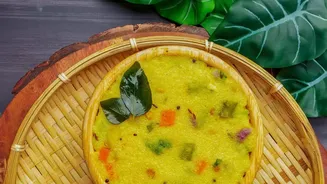
While the love for pakoras is eternal, a new, exciting chapter is being written in Delhi’s contemporary cafes. Chefs and restaurateurs are digging deeper into India’s culinary archives, moving beyond the obvious choices to unearth regional and lesser-known monsoon delicacies. These are not the dishes you’d typically find on a commercial menu. Think of Bedmi Puri with a tangy aloo sabzi, a breakfast staple that feels like a hug on a plate; or Ram Ladoo, the soft moong dal fritters topped with grated radish and zesty chutneys, a quintessential Delhi street snack finding a new home indoors. Others are reintroducing forgotten home-style dishes like Gulgule, a sweet, fluffy wheat-based fritter, or exploring regional gems like Bengali Khichuri with Beguni (eggplant fritters) and Maharashtrian Sabudana Vada. These are the foods of memory, once confined to family kitchens and specific communities.
A Taste of Nostalgia
So, why is this revival happening now? The answer lies in a powerful blend of nostalgia and cultural curiosity. In the relentless pace of urban life, there is a growing yearning for authenticity and connection to one’s roots. For many Delhiites, these dishes evoke a potent sense of childhood—of rainy days spent at a grandparent’s home, listening to stories while snacking on something lovingly prepared. These foods are emotional anchors. Cafes are tapping into this collective memory, offering not just a meal but an experience. They are providing a comforting taste of home for those who may have moved to the city, and a delicious education for a younger, curious generation eager to explore their own culinary heritage beyond the globalised food trends.
The Modern Cafe's Role
Delhi's cafes are uniquely positioned to lead this revival. They serve as cultural curators, possessing the creativity and platform to make these traditional dishes accessible and appealing to a modern audience. Many of these recipes, while cherished, can be labour-intensive. A cafe setting removes that barrier, allowing patrons to enjoy a complex dish like a stuffed kachori or a perfectly prepared moong dal chilla without the hours of prep. Furthermore, cafes are reinterpreting these classics with a contemporary flair—perhaps using higher-quality ingredients, offering innovative pairings, or presenting them with modern plating. This blend of the traditional and the trendy makes the experience feel both familiar and fresh, ensuring these dishes are not just preserved, but given a vibrant new life.
More Than Just a Menu
This movement is about more than just food; it's a form of cultural preservation. Every rediscovered recipe carries with it a story—of a particular region, a specific community, or a family’s history. When a cafe decides to feature a dish like Punjabi Kheer and Malpua or Bengali Dhokar, they are helping to keep these narratives alive. In a world where food culture can often feel homogenised, this trend represents a conscious effort to celebrate India's immense diversity. It is a recognition that comfort can be found not only in the universally popular but also in the specifically regional, the personally nostalgic, and the beautifully complex tapestry of the country’s culinary past.