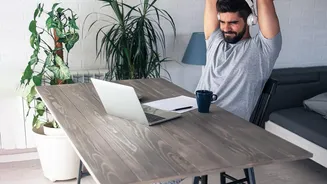






Long hours at a desk can lead to back pain, poor posture, and weak muscles. Reclaim your body's strength and mobility with these essential gym exercises, handpicked by fitness experts to counteract the effects of a sedentary work life.
Strengthen Your Backside with Deadlifts
Prolonged sitting
can weaken the entire back side of your body, known as the posterior chain, which includes your glutes, hamstrings, and back muscles. The deadlift is a powerhouse exercise for strengthening this entire area. By engaging these muscles, you build the support system necessary for better posture and reduced lower back pain. Whether using a barbell, kettlebells, or dumbbells, the key is to maintain a flat back and hinge at your hips, not your waist. This teaches your body to lift heavy objects safely, a functional skill for everyday life. Romanian Deadlifts are a great variation that specifically targets the hamstrings and glutes, which often become tight and weak from sitting.
Correct Rounded Shoulders with Rows
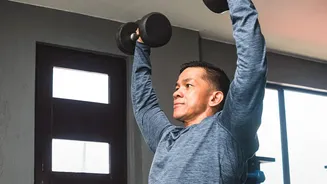
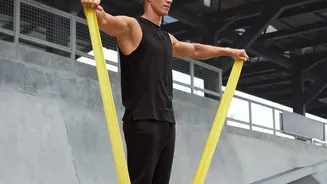
Hunching over a keyboard all day encourages a forward slump, leading to rounded shoulders and upper back pain. Rows are the perfect antidote. Exercises like bent-over dumbbell rows, seated cable rows, or resistance band rows target the muscles of your upper back, including the rhomboids and lats. Strengthening these muscles helps pull your shoulder blades back and down, promoting an upright posture and a more open chest. This not only improves your physical alignment but can also alleviate neck and shoulder tension that builds up during the workday.
Activate Your Glutes with Bridges
When you sit for hours, your glute muscles can essentially 'turn off,' a condition sometimes called gluteal amnesia. This forces other muscles, like your lower back and hamstrings, to overcompensate, often leading to pain and injury. The glute bridge is a simple but highly effective exercise to wake up and strengthen your glutes. By lying on your back and lifting your hips toward the ceiling, you isolate the gluteal muscles, teaching them to fire properly again. This provides better support for your pelvis and lower back, crucial for maintaining stability both in and out of your office chair.
Build Core Stability with the Plank
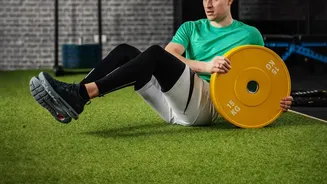
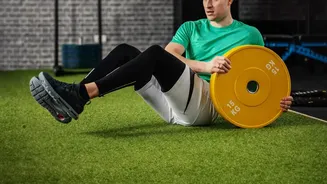
A strong core is the foundation of good posture and a healthy spine. The plank is a fantastic isometric exercise that engages all the muscles of your core, including your abdominals, obliques, and lower back. Unlike crunches, which primarily work the front abdominal muscles, the plank builds deep stabilizing strength. This endurance helps you maintain a neutral spine and sit upright for longer periods without fatiguing. You can perform a standard plank on your forearms or hands, or try side planks to specifically target the obliques for well-rounded core strength.
Improve Hip Mobility with Goblet Squats
Sitting keeps your hips in a constant state of flexion, which can lead to tight hip flexors and limited mobility. The goblet squat is an excellent exercise to counteract this. Holding a dumbbell or kettlebell at your chest encourages an upright torso, while the deep squatting motion improves flexibility and range of motion in your hips and ankles. It's a full-body movement that strengthens your quads, glutes, and core simultaneously. Improved hip mobility can relieve lower back stress and make movements like standing up, walking, and climbing stairs feel easier and more fluid.
Open Up with Hip Flexor and Chest Stretches
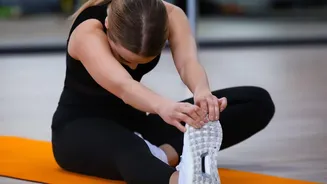
While strength is key, mobility and flexibility are just as important for office workers. Tight hip flexors from sitting can pull your pelvis out of alignment, contributing to lower back pain. A simple half kneeling hip flexor stretch can provide immense relief. Similarly, tight chest muscles contribute to that classic forward slouch. A doorway chest stretch, where you place your arms on the frame and gently step through, helps to open the chest and counteract the effects of hunching. Incorporating these stretches after your workout or even during breaks at work can significantly improve your posture and reduce stiffness.