






Why Monsoon Disrupts Delhi Flights
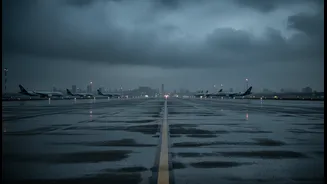
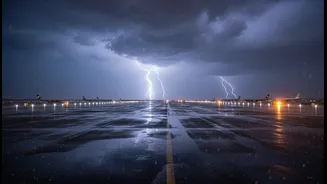
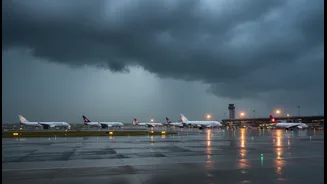
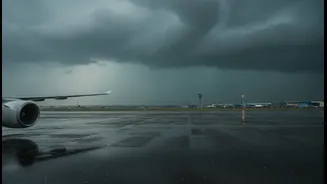
The Indian monsoon, while vital for the subcontinent, is a formidable force for aviation. In Delhi, heavy rainfall, thunderstorms, and low visibility are the primary culprits behind flight disruptions. Heavy downpours can reduce visibility for pilots
and even lead to temporary waterlogging on runways, making takeoffs and landings unsafe. This often results in a domino effect: one delayed flight leads to another, causing widespread schedule disruptions across the airport. On July 8, 2026, several airlines including IndiGo and Air India issued travel advisories for Delhi due to bad weather impacting flight schedules. The India Meteorological Department (IMD) also issued alerts for heavy rainfall in the region, signaling a high probability of continued travel woes.
Before You Leave for the Airport
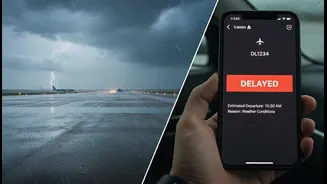
Preparation starts at home. The single most important step is to check your flight status repeatedly before heading to the airport. Airlines like IndiGo, Air India, and SpiceJet have been urging passengers to do this via their websites or mobile apps. These platforms provide the most current information on delays or cancellations. Also, factor in extra time for your commute. Heavy rains often lead to waterlogging and severe traffic jams across the National Capital Region, which can significantly delay your arrival at the airport. Booking an early morning flight can also be a strategic move, as thunderstorms and heavy rain are statistically more likely to develop in the afternoon and evening.
Pack a 'Wait Kit' in Your Carry-On
Assume you will have to wait. The headline advice is spot on: a fully charged phone is your lifeline. A power bank is not a luxury; it's a necessity for staying updated and entertained during long waits. Pack non-perishable snacks like granola bars, nuts, or biscuits. While airport restaurants are available, they can become overcrowded and expensive during mass delays. Also, carry an empty water bottle to refill after security. Beyond electronics and food, consider packing a change of clothes in your cabin bag. If your flight is severely delayed or you are stranded overnight, having a fresh set of clothes can make a world of difference. A good book or downloaded movies and shows can help pass the time more pleasantly.
Staying Informed and Comfortable at the Terminal
Once at the airport, don't rely solely on the main departure boards. Use your airline's app for real-time gate change notifications and delay updates. Airlines also frequently use social media, especially X (formerly Twitter), to post general advisories. If you're facing a long delay, try to find a comfortable spot away from the most crowded gate areas. Delhi's IGI Airport is large, and quieter zones can often be found with a little exploration. Familiarise yourself with airport facilities like baby care rooms or lounges that may offer paid access for a more comfortable wait. Remember to stay patient with ground staff; they are often managing a stressful situation with limited information.
Know Your Rights as a Passenger
Understanding your rights can help manage expectations. According to regulations from the Directorate General of Civil Aviation (DGCA), airlines have specific obligations during delays and cancellations. However, disruptions caused by bad weather are considered "extraordinary circumstances," which means airlines are not required to pay financial compensation. Despite this, they still have a duty of care. For significant delays, airlines must provide passengers with free meals and refreshments. If a delay extends overnight, they are generally required to provide hotel accommodation and transfers. If your flight is cancelled, you are entitled to either a full refund or re-routing on an alternative flight at no extra cost.