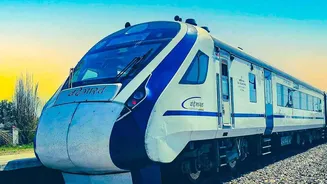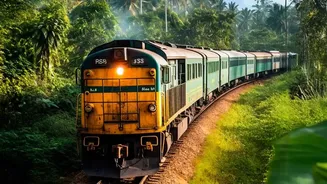







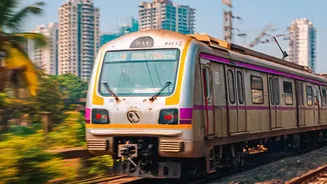

The Vande Bharat Express, a symbol of modern Indian Railways, is known for its speed and premium services. Now, IRCTC is piloting a significant change to its onboard catering, introducing a shorter, more focused menu for passengers on three key routes.
A Pilot Project for Quality Control
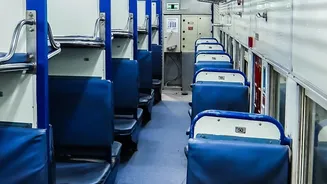
Starting November 1, 2026, the Indian Railway Catering and Tourism Corporation (IRCTC) has rolled out a new, compact food menu as a pilot project on three specific Vande Bharat routes. The affected services are the sleeper trains running between New Delhi and Varanasi, Mumbai and Bengaluru, and Howrah and Kamakhya (Guwahati). This initiative was launched in response to frequent passenger complaints regarding food quality, hygiene, and consistency. Officials believe that by reducing the variety of dishes, they can more effectively monitor food preparation, ensure freshness, and maintain higher standards, adopting a model similar to that used by airlines.
What's Off the Menu?
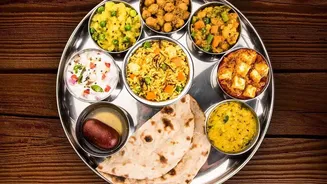
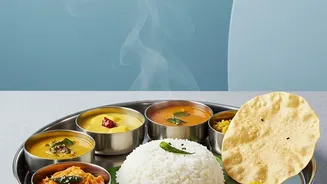
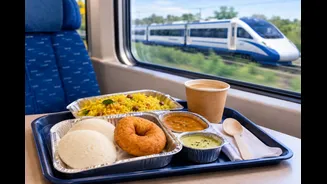
The new menu significantly simplifies the meal tray. For breakfast, passengers will no longer find items like soup, egg omelettes, omelette or vegetable sandwiches, buttermilk, and chocolates. Instead, the choice is now between core Indian breakfast staples such as idli and vada with sambar, poha, or upma. The changes extend to lunch and dinner as well. Several accompaniments that were previously part of the elaborate meal have been removed, including the dry vegetable dish (sabzi), curd, salad, pickles, and sweets. The focus is now on a foundational meal of chapati, rice, and dal, accompanied by a single main dish, with a choice between a vegetarian or chicken option.
Less is More: The Official Rationale
The primary driver for this change is a strategic shift from variety to quality. Railway officials have stated that managing an extensive menu with 8 to 10 items per meal presented operational challenges, especially within the constraints of a train's pantry car. By trimming the menu to about four core items, IRCTC aims to streamline the entire catering process. This includes shifting food preparation to large, professional cloud kitchens instead of relying solely on previous vendors, a move intended to improve hygiene and consistency. The total weight of each meal has also been reduced from approximately 700-750 grams to a more compact 450-500 grams, though officials clarify that the portion size of the remaining individual items has not been changed.
Impact on Passengers and Future Plans
While the goal is to enhance food quality, the change means passengers receive a lighter meal with fewer components. Passengers have the option to choose a 'no-food' preference when booking their tickets, which excludes catering charges from the fare. For those who opt-in, the question remains whether the reduced menu will lead to a reduction in catering charges, a point passengers are watching closely. IRCTC is currently in an assessment phase, actively collecting passenger feedback on the new, streamlined service. Early data from IRCTC's Western Zone has already indicated a 10% drop in catering-related complaints between October 1 and November 15, 2026, suggesting the new model may be having its intended effect. Based on the feedback from this pilot, a decision will be made on whether to extend the compact menu to other Vande Bharat and premium long-distance trains across the country.