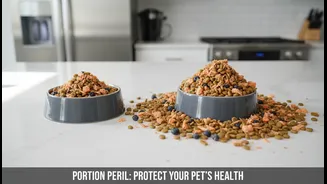






Why Guidelines Are Just a Starting Point
Pet food feeding guidelines are developed by manufacturers for an 'average' pet, but almost no pet is truly average. These recommendations are typically based on factors like weight and life stage, but they can't account for the unique variables of your
individual animal. A highly active young dog will burn far more calories than a senior dog who spends most of the day napping. Other critical factors include the pet's breed, whether they are spayed or neutered, their metabolism, and their environment. Because of these individual differences, blindly following the bag can lead to overfeeding or underfeeding, both of which carry health risks. Overfeeding is a primary cause of pet obesity, which can lead to serious conditions like diabetes, arthritis, and heart disease, potentially shortening a pet's life. Underfeeding can result in malnourishment, low energy, and a weakened immune system.
Decoding the Feeding Chart
When you look at a feeding chart, you'll typically see a pet's weight correlated with a recommended amount of food, often measured in cups or grams per day. The first step is to use an actual measuring cup, not just eyeball the amount or use a random scoop, as guesstimating often leads to overfeeding. For maximum accuracy, weighing the food in grams is the best method. The label will also provide a nutritional adequacy statement from a regulatory body like the Association of American Feed Control Officials (AAFCO), which confirms the food is 'complete and balanced' for a specific life stage, such as puppy/kitten, adult, or all life stages. This statement is one of the most important things to check, as it ensures the food provides all the necessary nutrients in the correct proportions.
Look Beyond the Bowl: The Body Condition Score
One of the most effective tools for a pet owner is the Body Condition Score (BCS). This is a hands-on method to assess whether your pet is at a healthy weight, and it's more accurate than relying on the scale alone. Veterinarians use either a 5-point or a 9-point scale to evaluate a pet's body fat. You can perform a simple check at home. Run your hands gently along your pet’s sides. You should be able to easily feel their ribs with only a thin layer of fat covering them. When viewed from above, your pet should have a visible, tapered waistline behind the ribs. From the side, their abdomen should tuck up towards their hips. If you have to press hard to find the ribs or if there's no visible waist, your pet is likely overweight. Conversely, if their ribs and pelvic bones are visibly prominent, they may be underweight.
Making Smart and Safe Adjustments
Once you've assessed your pet's body condition, you can begin to adjust their food intake. If your pet seems overweight, reduce their daily portion by about 10-15% and monitor them for a few weeks before adjusting again. If they are underweight, you can increase their portion slightly. Always make these changes gradually. It’s also crucial to account for treats, which should not make up more than 10% of your pet’s total daily caloric intake. Many owners forget to factor in these extra calories, which can quickly lead to weight gain. Instead of high-calorie treats, consider healthier alternatives like small pieces of carrots or green beans, or simply break larger treats into smaller bits. Remember that your pet's needs will change over time. Puppies, adults, and seniors all have different nutritional requirements, so you'll need to continually reassess their diet as they age.
When to Consult Your Veterinarian
While these tips can empower you to make better feeding choices, your veterinarian is your most valuable resource. They can provide a professional assessment of your pet's Body Condition Score, calculate their specific daily caloric needs, and recommend the best type of food. This is especially important if your pet has any underlying health conditions, is a growing puppy or kitten, or is a senior. Schedule regular check-ups to monitor your pet's weight and overall health. By partnering with your vet, you can create a personalized nutrition plan that moves beyond generic guidelines and ensures your furry companion receives the precise care they need to thrive.