




A Mask of Transformation
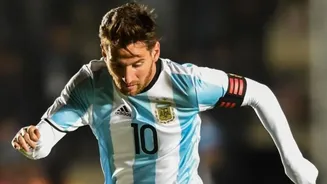
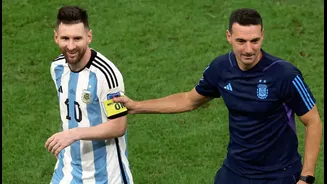
At its core, painting your face is an act of transformation. In everyday life, you are an individual—a student, a doctor, an engineer. But on match day, with stripes of saffron, white, and green, or the blue and white of Argentina, you become something
else. You shed your individual identity to adopt a collective one. Psychologists call this 'social identity theory,' where our sense of self is derived from the groups we belong to. By painting the team's colours on their face—the most personal and identifiable part of the body—fans are making a bold statement: 'Today, I am not just me. I am part of this team, this nation, this cause.' It allows for a level of emotional expression—screaming, chanting, crying—that might be unacceptable in normal life, all under the protective 'mask' of the fan.
Modern War Paint
The practice has deep historical roots. For millennia, human tribes have used body and face paint for rituals, ceremonies, and, most relevantly, for war. This 'war paint' served several purposes: to intimidate enemies, to signify rank and affiliation, and to create a sense of unity and shared purpose among warriors before a battle. The FIFA World Cup is, for many, a symbolic modern battlefield. The language we use around it—'giants were slain,' 'a defensive battle,' 'a valiant fight'—is telling. Fans painting their faces are subconsciously tapping into this ancient human behaviour. It’s a ritual to prepare for the 'battle' ahead, a visual roar that says, 'We are here, we are united, and we are ready to fight for our colours.'
The Power of Visual Unity
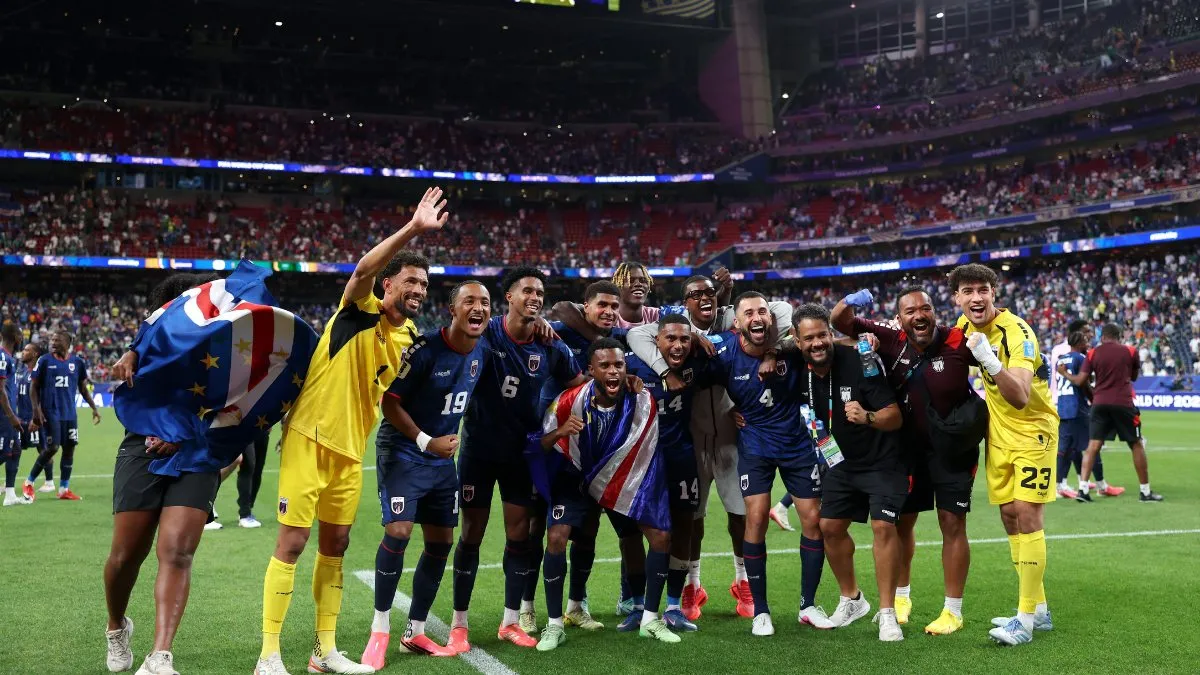
In a stadium of 80,000 people, or even in a crowded fan park, it’s easy to feel anonymous. Face paint is a powerful solution. It's a non-verbal way to communicate your allegiance instantly and from a distance. When television cameras pan across the crowd, they don't just see individuals; they see a unified wall of colour, a living, breathing flag. This creates a powerful visual spectacle that energises not only the other fans but also the players on the pitch. Knowing you have a vibrant, visible army behind you is a huge psychological boost. The painted face becomes a pixel in a much larger image of national pride and collective support.
A Pre-Game Ritual
Football fandom is steeped in ritual. From wearing a lucky jersey to visiting the same food stall before every match, these routines help build anticipation and create a sense of control in a game defined by uncertainty. The process of painting one's face is a key part of this pre-game ritual. It’s a shared experience, often done with friends or family. The careful application of paint, the checking in the mirror, the first look at your transformed face—it’s all part of the build-up. This act marks the transition from the mundane world to the heightened emotional reality of the World Cup. It’s the moment the day officially becomes about the match, focusing the mind and spirit on the game to come.
More Than Just Colours
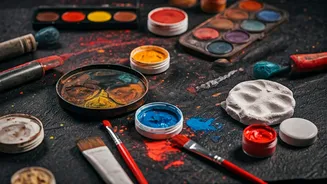
While a simple flag design is the most common, the creativity can be astounding. Fans incorporate national symbols, player numbers, or intricate patterns that tell a story. An English fan might have three lions, a Brazilian fan might incorporate stars for every trophy won, or a Japanese fan might draw inspiration from traditional Kabuki makeup. This artistry elevates face painting from simple fandom to a form of folk art. It allows for personal expression within the collective identity, showing a deeper level of commitment and knowledge. It’s not just about wearing the colours; it’s about embodying the spirit, history, and pride of the nation in the most visible way possible.