



The Renter's Decorating Dilemma Solved
For years, renters in India have faced a common frustration: the inability to personalise their living space. Draconian rental agreements often forbid painting or making any permanent changes, leaving tenants staring at bland, neutral walls. This is where
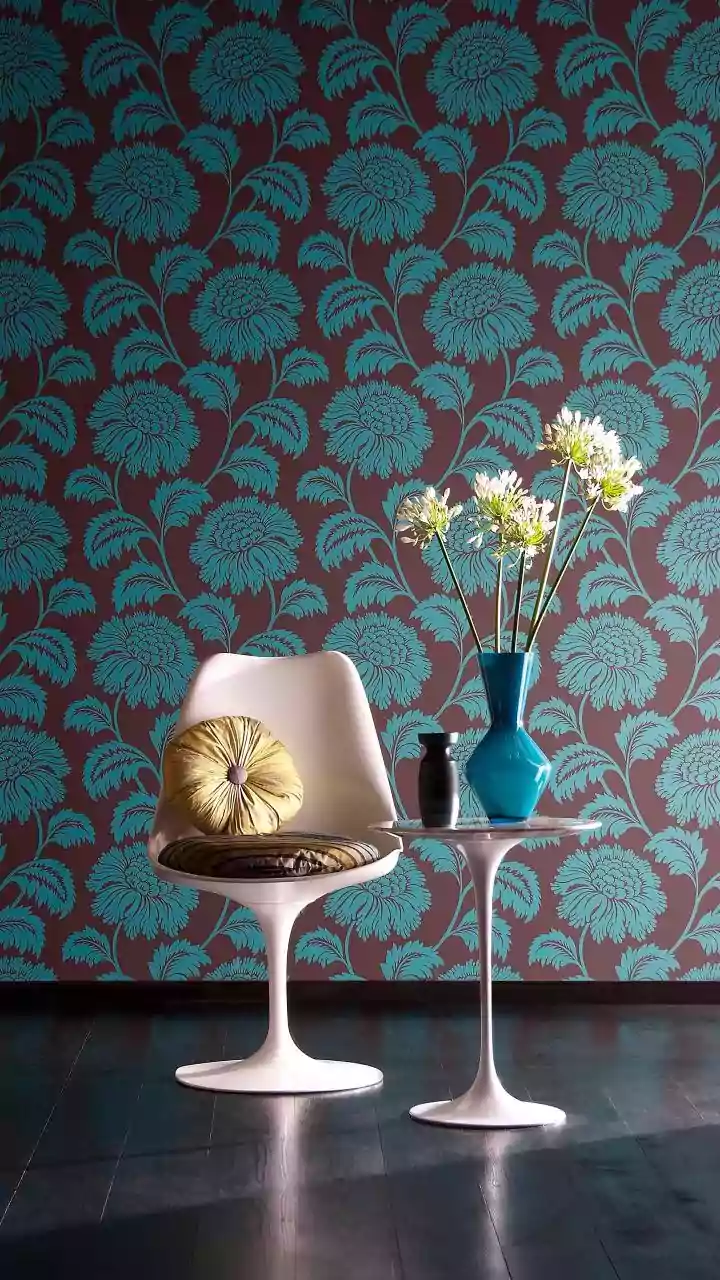
peel-and-stick wallpaper comes in as a game-changing solution. Unlike traditional wallpaper that requires messy glue and professional installation, this modern alternative functions like a large, high-quality sticker. It features a self-adhesive backing, allowing you to simply peel and apply it to any smooth, clean surface. The best part for renters is that it is designed to be fully removable, leaving no sticky residue or damage behind when you decide to move out. This means you can experiment with bold designs and colours, finally making your temporary house feel like a home, without risking your security deposit.
Embrace the Boldness of Colour-Blocking
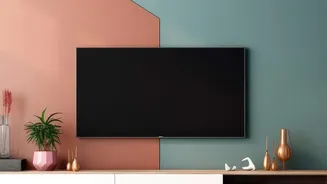
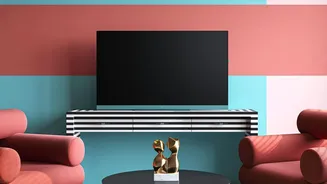
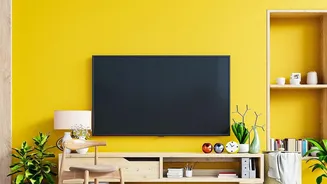
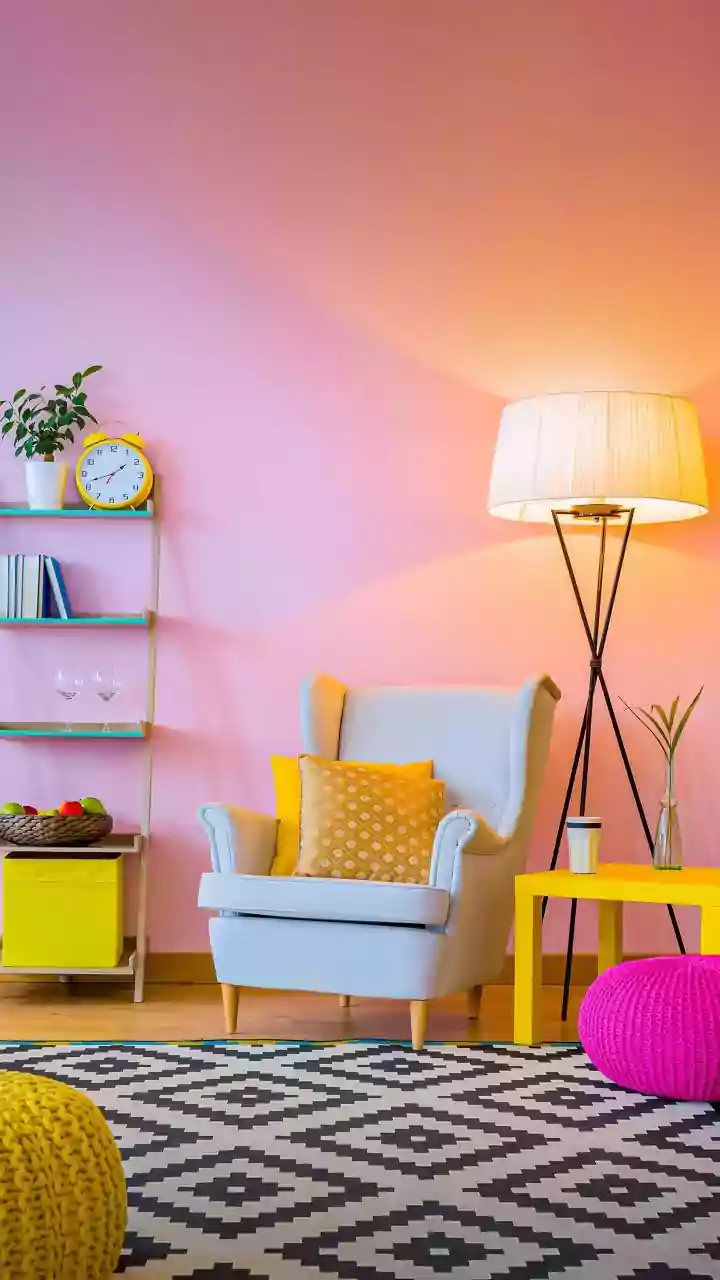
Colour-blocking is an interior design technique that uses two or more solid blocks of contrasting or complementary colours to create a dramatic, modern statement. Think of it as art for your walls. You can create geometric shapes, highlight architectural features like an alcove, or even create a 'faux' headboard in a bedroom. While this can be achieved with paint, it requires a steady hand and a landlord's permission. Peel-and-stick wallpaper makes this trend accessible to everyone. You can easily create a split-wall effect by applying wallpaper to the bottom half of a wall, or use a wallpaper with a built-in colour-block pattern. This approach allows you to achieve a high-impact, designer look with minimal effort and zero long-term commitment.
Choosing the Right Wallpaper for Your Space
Before you buy, it is crucial to select the right product. Most peel-and-stick wallpapers are made from PVC vinyl, which is durable and often water-resistant, making it a good choice for kitchens and bathrooms. When browsing online, look for products explicitly labelled 'removable' or 'renter-friendly'. Pay attention to the finish—matte, semi-gloss, or high-gloss—as this will affect the final look. Always measure your wall's height and width to calculate the required square footage. It is wise to order about 10% extra to account for mistakes or pattern matching. Many online retailers in India, such as Flipkart, IndiaMART, and specialty stores like Magicdecor, offer a vast selection with designs ranging from minimalist patterns to traditional Indian motifs.
Preparation is the Key to a Flawless Finish
Proper wall preparation is the single most important step for a successful, damage-free application and removal. The wallpaper needs a clean, smooth surface to adhere properly. Start by wiping down the walls with a damp cloth to remove any dust and grime, then let them dry completely. Do not apply wallpaper to damp walls or those with seepage, as the adhesive will fail. For best results, avoid heavily textured walls; a smooth surface is ideal. Before you begin, remove any switch plates and outlet covers. Finally, use a measuring tape and a level to draw a faint vertical pencil line on the wall. This will be your guide to ensure the first panel goes on perfectly straight.
Application Without Tears or Bubbles
Applying the wallpaper is best done with two people—one to hold and guide the paper, and the other to smooth it onto the wall. Start from a top corner, peeling back only the first 12 inches of the paper's backing. Align the top edge of the wallpaper with the ceiling, leaving a few extra inches that you can trim later. Press the exposed adhesive section against the wall, aligning it with your vertical guideline. Slowly pull down the backing paper while using a plastic smoother or a clean, dry cloth to press the wallpaper onto the wall. Work from the centre outwards to push out any air bubbles. Overlap subsequent panels slightly, carefully matching the pattern as you go. Once a panel is fully applied, use a sharp utility knife to trim the excess at the ceiling and floor.
The Clean Getaway: Damage-Free Removal
When it is time to move out or redecorate, the removal process is refreshingly simple. Start at a top corner and gently pull the wallpaper away from the wall at a 45-degree angle. High-quality removable wallpaper should peel off in large sheets without tearing or leaving significant residue. If you encounter any sticky spots, they can usually be cleaned with a sponge and warm, soapy water. Most modern PVC vinyl stickers are designed specifically to not damage the underlying paint, which is why they have become so popular in the rental market. This easy removal process ensures the walls are left in their original condition, ready for the next tenant.