







Why the Myth Exists
You’ve probably heard it from a beauty blogger or on a forum: using Vitamin C and niacinamide together will cause skin irritation and make both ingredients useless. This long-standing myth isn't entirely baseless, but it is outdated. It originates from research
conducted in the 1960s where pure, non-stabilized forms of the ingredients were mixed under high heat. This created nicotinic acid, which can cause temporary skin redness and flushing. However, the conditions in that lab experiment — high temperatures and unstable ingredients — have almost nothing in common with applying modern, carefully formulated skincare products in your bathroom. Today's serums and creams use stable forms of both Vitamin C and niacinamide, making the risk of creating nicotinic acid negligible.
The Unique Power of Vitamin C
So, what does each ingredient bring to the table? Vitamin C, often found as L-ascorbic acid, is a potent antioxidant. Its primary job is to protect your skin from environmental damage caused by free radicals from UV exposure and pollution. It's famous for its ability to brighten the complexion, fade dark spots and hyperpigmentation, and even out skin tone. Beyond that, Vitamin C also plays a crucial role in stimulating collagen production, which helps keep the skin firm and can reduce the appearance of fine lines and wrinkles over time. It's the go-to ingredient for achieving that sought-after radiant glow.
The Versatility of Niacinamide
Niacinamide, a form of Vitamin B3, is the ultimate multi-tasker in skincare. Its list of benefits is long and impressive. Niacinamide is known for strengthening the skin's natural moisture barrier, which helps keep skin hydrated and resilient. It can help regulate oil production, making it a great choice for those with oily or acne-prone skin. Furthermore, it helps to visibly reduce the appearance of enlarged pores, calm redness, and improve overall skin texture. By interfering with the transfer of pigment within the skin, it also helps lessen the appearance of dark spots.
Better Together: The Synergistic Benefits
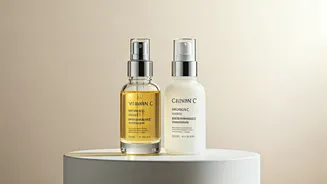
When you combine Vitamin C and niacinamide, you aren't just adding benefits—you're amplifying them. Since they are both powerful antioxidants, they provide a more robust defence against environmental stressors when used together. They also tackle skin concerns like uneven tone and dullness from different angles. Vitamin C works to brighten and protect, while niacinamide calms, repairs, and strengthens the skin barrier. This complementary action can lead to more comprehensive results, helping you achieve a smoother, more radiant, and even-toned complexion faster than using either ingredient alone.
How to Combine Them in Your Routine
Ready to unite this dynamic duo? You have a few simple and effective options. The most common recommendation is to layer them. Apply your Vitamin C serum first to clean skin, as it often has a lower pH and works best when absorbed directly. Wait a minute or two for it to fully absorb, and then follow up with your niacinamide serum or moisturiser. Another popular method is to split them between your morning and night routines. Use Vitamin C in the morning to take advantage of its antioxidant protection against daytime environmental damage, and use niacinamide at night to help repair and soothe your skin. For those with very sensitive skin, this approach can be a gentler way to introduce the combination. Finally, you can also find products that are expertly formulated with both ingredients in one stable formula.
A Note on Patch Testing
While modern formulations have made combining these ingredients safe for most, everyone's skin is unique. Both Vitamin C and niacinamide are active ingredients that can potentially cause irritation, especially if you're new to them or have sensitive skin. Before applying a new product or combination all over your face, it is always wise to do a patch test. Apply a small amount to a discreet area, like behind your ear or on your inner arm, and wait 24 hours to see if any irritation occurs. It’s also smart to introduce new active ingredients one at a time and start with lower concentrations to allow your skin to adapt.