



The Timeless Appeal of Flower Petals
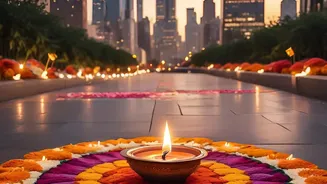
Using fresh or dried flower petals is perhaps the most classic and fragrant way to create an eco-friendly rangoli. Marigolds offer brilliant yellows and oranges, roses provide deep reds and pinks, while chrysanthemums can add shades of white and purple.
Not only do floral rangolis add natural beauty and a gentle aroma to your home, but they are also completely biodegradable. After the festivities, the petals can be easily composted, returning to the earth without a trace. For a stunning effect, create a dense carpet of layered petals, which adds texture and depth to your design. Remember that fresh petals look their best for a day or two, making them a perfect, ephemeral celebration of the moment.
Rice Flour: The Sacred White Base
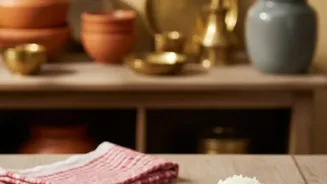
Rice flour has been a traditional rangoli material for centuries, providing a perfect white for outlines and patterns. Historically, using rice flour was also an offering to tiny creatures like ants and birds, symbolizing harmony with nature. You can use rice flour as is for crisp, white designs or dye it naturally to create a whole palette of colours. Mix it with turmeric for a sunny yellow, beetroot juice for a lovely pink or red, and spinach paste for a fresh green. The slightly granular texture of homemade ground rice flour is often preferred as it flows smoothly, making it easier to create intricate patterns.
From the Kitchen: Grains and Pulses
Your kitchen pantry is a treasure trove of materials for a rustic and textured rangoli. Different lentils and pulses offer a surprising range of colours and shapes. Use yellow lentils (moong dal), red kidney beans (rajma), and green mung beans to fill in different sections of your design. Grains like rice, millets, and even seeds can add a unique mosaic-like effect to your artwork. This approach is not only sustainable but also a fantastic way to get children involved, teaching them about the creative potential of everyday ingredients.
Spice Up Your Designs
For vibrant and auspicious colours, look no further than your spice box. Turmeric powder provides a brilliant and sacred yellow, while kumkum offers a traditional deep red. For other earthy tones, you can use cinnamon powder for brown and dried chilli powder for a warm red-orange. Using spices connects your rangoli to culinary traditions and makes the art fragrant. These natural powders are safe, non-toxic, and can be easily cleaned up, ensuring your festive decor is healthy for both your family and the planet.
Go Green with Leaves and Earth
Don't overlook the simple beauty of leaves for creating your rangoli. Collect leaves of different shapes, sizes, and shades—from fresh green to autumnal brown—to form borders or fill in patterns. Mango leaves, in particular, are auspicious and can be used for outlines. For more earthy textures, you can incorporate natural clay, coloured sand, or even used coffee grounds for a rich brown. These materials create a design that feels deeply connected to the earth and adds a wonderfully rustic charm to your festive decorations.