



Rethinking the 'Best' Workout
For decades, the fitness conversation has been dominated by a search for the single most effective workout. This has led many to believe that exercise must be a grueling, prescriptive, and often unpleasant experience. However, a growing body of evidence
and expert opinion suggests a more flexible and forgiving approach. When it comes to general health benefits, many different forms of exercise can deliver surprisingly similar results. The idea that you must be a runner to have a healthy heart, or a weightlifter to be strong, is being replaced by a more personalized and sustainable model. This new mindset liberates you from the tyranny of the “perfect” routine and allows you to find a path to fitness that you genuinely want to follow.
Cardio: A Race You Can Win Your Way
For improving cardiovascular health, the main goal is to elevate your heart rate for a sustained period. Whether you achieve this by running, cycling, swimming, or dancing, your heart and lungs still reap the rewards. While running might burn slightly more calories per minute, it's also a high-impact activity that isn't suitable for everyone. Cycling is gentler on the joints and builds lower-body strength, while swimming offers a full-body, no-impact workout. For a 155-pound person, 30 minutes of running at 5 mph, cycling at a moderate pace, or swimming backstroke laps can all burn a comparable number of calories. The takeaway is clear: for general heart health, the specific activity is less important than consistency and effort. Choosing the cardio you enjoy most makes it more likely you'll do it regularly.
Strength: Building Power on Your Terms
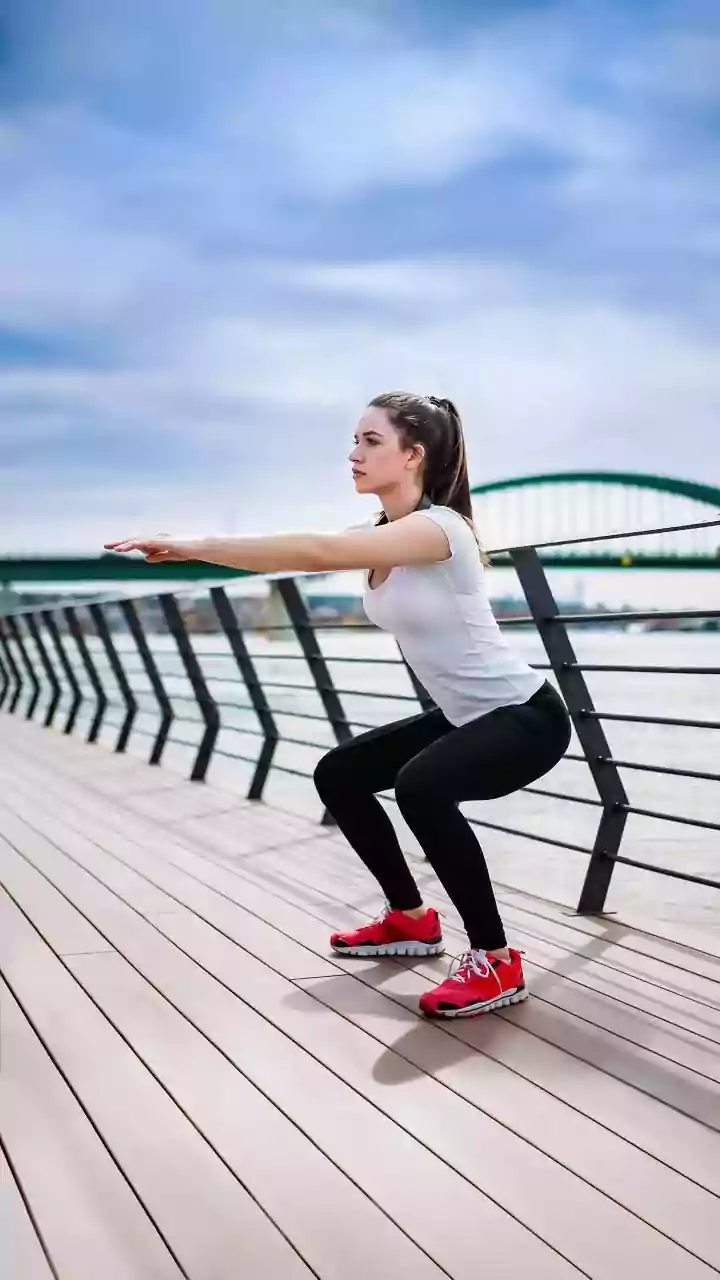
Building and maintaining muscle is crucial for metabolism, bone density, and functional strength. The traditional path often involves gyms filled with machines and free weights, but these aren't the only options. While some studies suggest free weights may be more effective for activating smaller stabilizing muscles, weight machines are excellent for beginners as they guide form and isolate specific muscles. Furthermore, bodyweight exercises like push-ups, squats, and planks can provide significant strength benefits without any equipment at all. The key is progressive overload—gradually making the exercises more challenging. Whether you achieve this by adding another plate to the barbell, selecting a heavier dumbbell, or progressing to a more difficult bodyweight variation, the fundamental principle is the same.
The Science of Sticking With It
The single biggest factor in the success of any fitness plan is adherence. More than half of people who start an exercise program quit within the first six months. Why? Often, it's because they hate the workout. Research consistently shows that enjoyment is a powerful motivator for long-term exercise participation. When you find an activity you find pleasurable, you are more intrinsically motivated to continue. One study found that participants who were allowed to self-regulate their workout intensity based on pleasure attended 77% more sessions than a group given standardized instructions. This psychological component cannot be overstated; the most scientifically optimal workout plan is useless if it's abandoned after two weeks.
How to Build Your Preference-First Plan
Creating a fitness routine based on your preferences doesn't mean ignoring goals; it means finding enjoyable ways to reach them. Start by asking yourself what kind of movement you genuinely like. Do you love being outdoors? Try hiking, trail running, or cycling. Do you prefer a social atmosphere? Look into group classes like dance, yoga, or team sports. If you enjoy quiet time, a solo swim or a home-based strength routine might be perfect. Make a list of activities you're curious about and experiment. The goal is to build a varied routine that meets the guidelines—around 150 minutes of moderate-intensity activity and two strength sessions per week—using activities that feel less like a chore and more like a welcome part of your life.