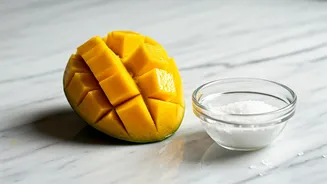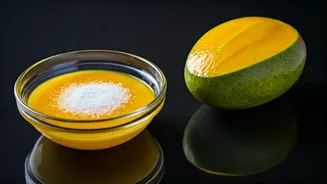









The Viral Hack Explained
If you’ve been on social media recently, you’ve likely seen it: videos of people submerging a fresh haul of mangoes in a large bowl of saltwater. After about half an hour, the camera zooms in to reveal cloudy water and, sometimes, tiny white specks or
even minuscule 'worms' emerging from the fruit’s skin, especially near the stem. The trend has captured a mix of fascination and horror, prompting mango lovers across the country to wonder if they’ve been eating their favourite fruit all wrong. This simple act of soaking is being touted as a non-negotiable step before you cut into a juicy mango, promising to remove everything from dirt to hidden pests.
The Simple Science Behind the Soak
This isn't just an old wives' tale; there's real science at play. The process works primarily through osmosis. By creating a high-salinity environment outside the mango, the saltwater solution draws moisture out from any foreign bodies on or just inside the fruit's pores. The so-called 'worms' are typically the harmless larvae of fruit flies, which may have been laid on the fruit’s skin. The salt bath creates an inhospitable environment, forcing them out. Furthermore, mango skin and sap contain urushiol, the same compound found in poison ivy that can cause an itchy rash (often called 'mango mouth') for sensitive individuals. The saltwater soak helps to dilute and wash away this sap, making the fruit safer to handle and eat for everyone.
Beyond the Bugs: Other Key Benefits
The advantages of this hack go beyond just pest removal. Mangoes, especially those bought from street vendors or open markets, accumulate a layer of dust, grime, and surface-level pesticides. While a quick rinse helps, a saltwater soak is far more effective at dislodging these contaminants. Traditional wisdom in India also suggests soaking mangoes to reduce their inherent 'heat' (taasir). From a scientific perspective, this may be linked to reducing phytic acid, a naturally occurring anti-nutrient in plants. Phytic acid can inhibit the absorption of minerals like iron and zinc, and soaking is a known method to reduce its concentration. While the effect on mangoes isn't extensively studied, it aligns with established food science principles.
Your Step-by-Step Guide to Cleaner Mangoes
Ready to try it for yourself? It couldn’t be simpler. Follow these easy steps to ensure your mangoes are perfectly prepped. 1. **Prepare the Bath:** Find a bowl large enough to hold your mangoes. Add enough room-temperature water to completely submerge them, then dissolve 1-2 tablespoons of salt in the water. Regular table salt works just fine. 2. **Submerge the Fruit:** Place your whole, unpeeled mangoes into the saltwater. Use a small plate to weigh them down if they float. 3. **Let Them Soak:** Allow the mangoes to soak for about 20 to 30 minutes. You can soak them for up to an hour, but avoid leaving them for much longer as it could start to affect the texture of the fruit. 4. **Rinse Thoroughly:** Once the time is up, remove the mangoes from the saltwater. Give them a thorough rinse under clean, running tap water to wash away the salt and anything that was drawn out during the soak. 5. **Dry and Enjoy:** Pat the mangoes dry with a clean cloth. They are now perfectly clean and ready to be peeled, sliced, and devoured.
Common Questions and Concerns
Even with a simple hack, questions arise. First, will the mangoes taste salty? The answer is no. The skin is thick enough to prevent the salt from penetrating the flesh, especially during a short soak. As long as you rinse them well, the taste will be unaffected. Second, is this step truly necessary? While you can certainly eat a mango without soaking it, it’s a highly recommended practice for peace of mind, particularly for fruit that hasn't come pre-packaged. And if you soak your mangoes and don't see anything come out, that’s good news! It simply means your fruit was clean to begin with, and you’ve just given it an extra wash for good measure.